What Are the Top Fashionable Hats for Men in 2026?
In 2026, men’s hats are doing more than finishing an outfit. They add shape, shade, and a clear point of view. Fashionable Hats For Men range from familiar baseball caps to textured bucket hats, relaxed beanies, and structured brimmed styles. Some look striking in a shop photo but feel too formal or oversized in daily life. That difference matters.
A useful hat should suit its wearer, not just the trend. Check the crown height, brim width, and fit around the temples. A cotton cap works easily with a T-shirt and light jacket, while a wool beanie brings warmth to a cold commute. Straw and other breathable materials can make sense on sunny days, though quality and care vary. Fit matters most. Small details count.
This guide explores the leading hat styles for 2026, with practical notes on materials, outfit pairing, and choosing proportions that feel balanced. It also considers color: navy, earthy brown, and muted green can be easier to wear than a bright seasonal shade. No style suits everyone. Personal taste, climate, hair, and budget all shape a sensible choice. Trends move quickly, and some predictions will miss. Use them as ideas, not rules, and choose a hat you will genuinely reach for.
Classify Men’s Hats by Shape, Material, Function, and Occasion
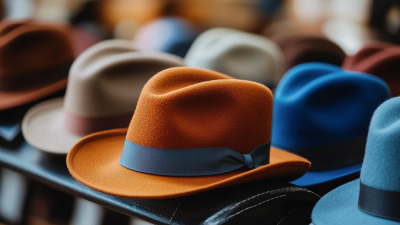
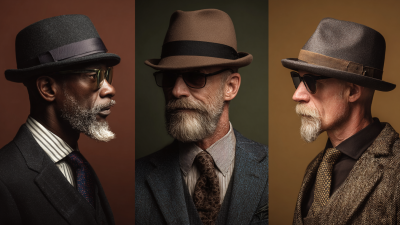
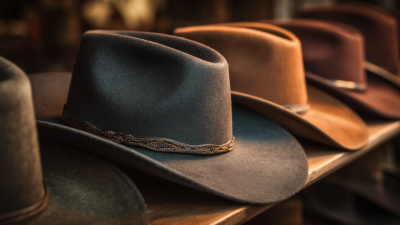
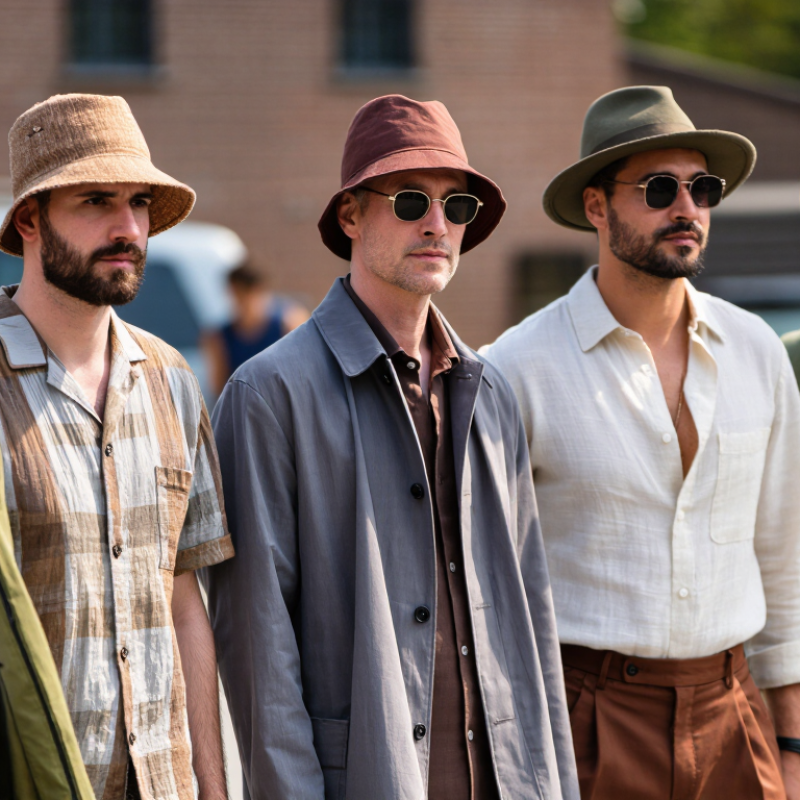
In 2026, men’s hats are easiest to choose by shape before color. A curved baseball cap suits casual outfits and gives a familiar finish. A bucket hat softens the outline and shades the face. A structured fedora or flat cap looks considered with a coat, but can feel overdressed with sneakers. Beanies work well in cold weather; a shallow cuff usually sits neatly without swallowing the face. Fit matters most.
Material should match both climate and use. Cotton and linen feel light on warm, dry days, while wool holds warmth in cooler months. Straw ventilates well, though delicate weaves need careful storage. For commuting, choose a washable cap with a brim that blocks glare. At outdoor events, a breathable bucket hat handles changing light and movement. For dinners or weddings, a restrained felt hat can complement tailored clothes, if the setting welcomes one. Keep it simple.
I still think brim width is easy to misjudge online. Check crown height, brim width, and the fit in a mirror, preferably in daylight. A hat can look right on a shelf and wrong on your head. Small detail, big effect.
Compare 2026 Standouts: Baseball Caps, Bucket Hats, Beanies, and Fedoras
In 2026, the baseball cap remains an easy choice for casual outfits. A curved brim shades the eyes, while cotton twill feels comfortable on mild days. Look for a crown that sits securely without squeezing; an overly tall shape can throw off proportions. Small details matter. A clean, unstructured cap pairs well with a light jacket, but it may feel too relaxed for tailored clothes.
Bucket hats offer more coverage, especially on sunny walks, though soft brims can lose their shape in wind. Choose a fabric with enough body to hold its silhouette. Beanies suit chilly mornings and add texture to simple layers, but thick knits may feel warm indoors. Fedoras bring a sharper profile and work best with structured coats or a crisp shirt. Fit is crucial: a hat that pinches or slides will distract all day. Not every trend suits every face, and I’d rather see a slightly imperfect fit tested in a mirror than a fashionable shape worn reluctantly.
Track Hat Demand Using Circana’s U.S. Apparel and Accessories Retail Data
What Are the Top Fashionable Hats for Men in 2026?
Popular styles may include clean baseball caps, soft beanies, bucket hats, and structured brimmed hats. But a style forecast is only a starting point. To see what shoppers actually choose, retailers can track Circana’s U.S. apparel and accessories retail data. Sales and unit trends help separate passing attention from purchases at the register.
Compare hat performance across seasons, price ranges, and retail channels. A rise in sales during cold months may reflect weather, not a lasting shift in taste. That matters. Looking at average selling prices alongside units can also show whether growth comes from more purchases or higher prices. Category definitions and reporting periods should be checked before drawing conclusions; otherwise, comparisons can mislead.
For 2026 planning, watch for steady movement across several periods rather than reacting to one strong week. Pair retail data with customer feedback and store-level observations, such as which brim shapes shoppers try on or which colors remain on shelves. Not every spike lasts. Data can clarify demand, but it cannot explain every personal choice. A practical forecast leaves room for uncertainty—and for local preferences that broad national figures may miss.
Assess Sun Protection: UPF 50+ Fabric Blocks at Least 98% of UV Radiation
For men choosing fashionable hats in 2026, sun protection should be more than a label. UPF 50+ fabric allows less than 2% of tested ultraviolet radiation through, blocking at least 98%. That figure reflects fabric performance under test conditions, not guaranteed protection for every part of the head or neck. The World Health Organization recommends sun protection when the UV Index reaches 3 or higher. On bright days, a short walk can still expose ears, temples, and the back of the neck.
Look for a broad brim, tightly woven fabric, and a fit that stays put in a breeze. A cap may suit a city commute, but its uncovered ears and neck leave gaps. Check whether the UPF rating applies to the finished hat or only its fabric; product details can be unclear. That matters. Textile sun-protection standards, including AS/NZS 4399, use measured UPF ratings, but real-world coverage also depends on shade, angle, and how the hat is worn. Sweat, stretching, or a brim that shifts may reduce practical protection. I’d treat UPF 50+ as a strong starting point, not a substitute for shade or sunscreen on exposed skin.
Match Fit and Fabric to Head Measurements and Woolmark Fiber Grades
Fashionable men’s hats in 2026 range from soft beanies to structured felt fedoras and relaxed bucket hats. Start with fit, not the trend. Wrap a flexible tape around your head, just above your eyebrows and ears, keeping it level without pulling tight. Measure twice. Use the larger result, then compare it with the hat’s own size chart, since sizing can vary between makers. A hat should stay put without leaving a red line. Check the crown too: a low crown may press your hair, while a deep one can feel loose. Small details matter.
For wool hats, separate fiber fineness from certification. A Woolmark label indicates a certified wool product; it is not a grade of fiber softness. If available, check the fiber composition and micron measurement. Lower micron numbers generally mean finer fibers, but they do not guarantee a better hat. Knit density, lining, and finishing affect warmth and feel as well. Still, measurements are imperfect: hair volume and styling can change the fit. Try the hat on, turn your head, and notice any pressure at the temples. A slightly imperfect fit is easy to overlook in a mirror. It may bother you after an hour.