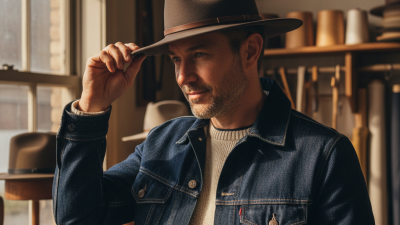
What Are the Top 10 Fashionable Hats for Men?
Choosing the right hat can sharpen a man’s appearance, protect his face from harsh weather, and reveal his personal taste. This guide introduces the Top 10 Fashionable Hats for Men, from structured fedoras to relaxed bucket hats. Each style carries a different mood. Some suggest old-school tailoring. Others feel practical, youthful, or quietly rebellious.
British milliner Philip Treacy captures the emotional power of headwear: “A hat can change the way you feel.” That idea guides this discussion of Fashionable Hats For Men. The list considers shape, fabric, comfort, seasonal use, and styling flexibility. A Panama hat may suit a linen jacket and warm afternoon. A wool flat cap can complement a textured coat on a cool morning. A clean baseball cap may work with denim, but not every office setting. Context matters.
The selection will also examine fedoras, trilbies, newsboy caps, beanies, pork pie hats, bowlers, and modern variations. These names can overlap in everyday shopping language. That creates confusion. A hat may look excellent online yet feel tight around the temples. Measurements matter more than branding. So does the brim’s proportion to the wearer’s face and shoulders.
There is no universal winner. Personal style remains imperfect and changeable. A bold hat can become costume-like when paired with too many dramatic pieces. A simple cap can appear refined when its fabric, color, and fit are carefully chosen. This guide aims to make those decisions clearer, while leaving room for experimentation. Sometimes the best choice surprises you.
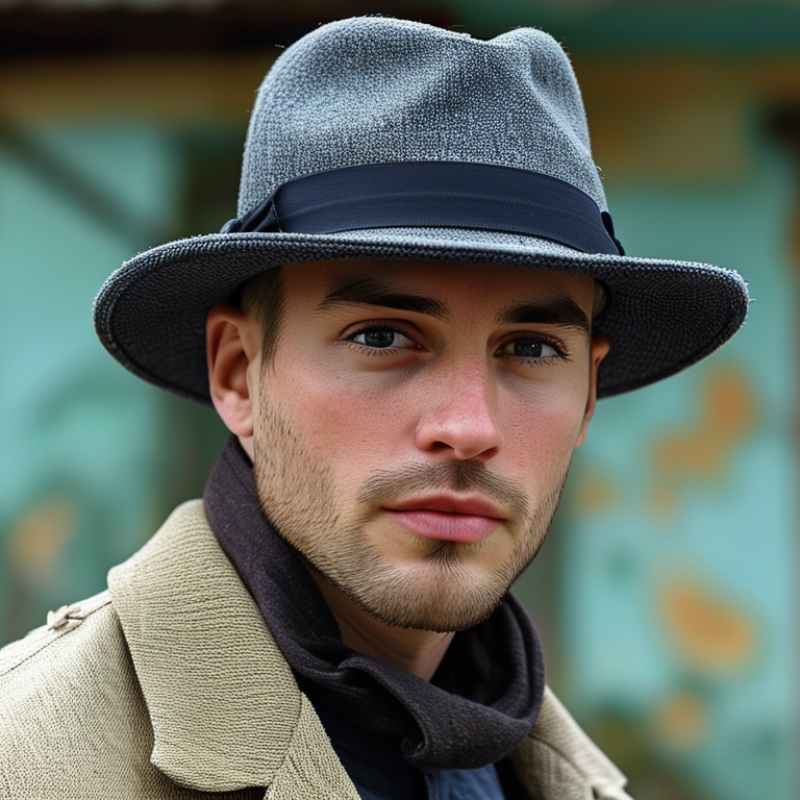
What Defines a Fashionable Men’s Hat?
A fashionable men’s hat begins with proportion, not decoration. It should suit the wearer’s face, hairstyle, height, and usual clothing. In my fitting experience, a medium brim often balances a longer face. A shorter brim can look sharper on a smaller frame. Personal comfort matters too. A hat that constantly slips cannot look confident.
The strongest choices include fedoras, trilbies, flat caps, newsboy caps, Panama hats, bucket hats, beanies, baseball caps, pork pie hats, and wide-brim styles.
Each creates a different visual message. Wool suggests structure and warmth. Straw feels lighter and works well in dry, sunny weather. Cotton offers casual comfort, while leather can appear polished but requires careful maintenance. Texture should support the outfit, not compete with it.
A fashionable hat also shows practical judgment.
Check the stitching, sweatband, lining, and shape before buying. The crown should feel secure without pressing the temples. Leave enough room for natural movement. Neutral colors are easier to wear, but muted green or rust can add character. Avoid choosing a dramatic shape only because it looks impressive online. I have made that mistake. Some hats photograph beautifully but feel awkward in daily life. A small crease, uneven brim, or slightly relaxed fit may even look more authentic than perfect stiffness. Weather, setting, and confidence ultimately define whether the hat feels stylish.
The Top 10 Men’s Hats for Modern Style and Versatility
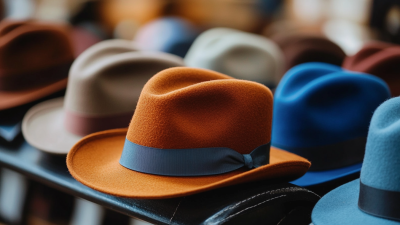
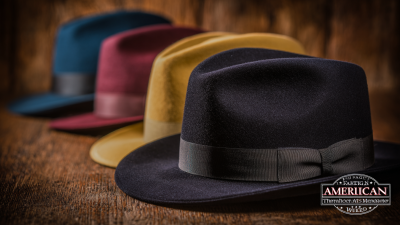
Modern menswear becomes more useful when a hat serves both appearance and purpose. After testing different shapes in city streets, offices, and weekend settings, these ten options remain dependable. The baseball cap gives casual outfits a clean finish. A fedora adds structure to wool coats and tailored trousers. The trilby feels sharper, but it can look forced with formal clothing. A Panama hat keeps summer outfits airy and polished. It needs careful storage.
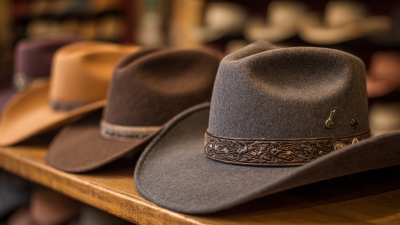
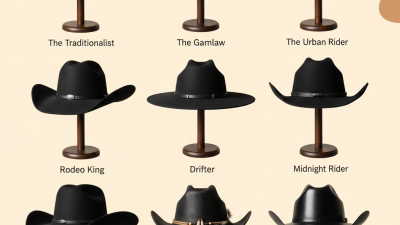
The bucket hat brings relaxed character to denim, cotton jackets, and travel clothes. A beanie offers warmth without demanding much styling. Choose a fine knit for a neater silhouette. The flat cap works well with textured fabrics, especially tweed and corduroy. A newsboy cap creates more volume and suits fuller outerwear. It may overwhelm a narrow face. A boater hat brings a distinctive warm-weather profile, though it requires confidence and the right setting. The cowboy hat can look modern with simple shirts, dark jeans, and restrained accessories.
Fit matters more than fashion labels. The crown should sit securely without pressing the forehead. The brim should balance facial proportions, not hide them. Natural fibers often breathe better, while technical fabrics handle light rain more effectively. I still get this wrong sometimes. A hat that looks excellent in a mirror may feel awkward outdoors. Check movement, wind, and comfort before committing. Neutrals offer versatility, but muted green, rust, or navy can make a simple outfit more personal. Shortsighted styling often comes from ignoring the weather. A beautiful hat is still a poor choice when it leaves you overheated or unprotected.
How to Match Hats with Face Shapes and Outfits
What Are the Top 10 Fashionable Hats for Men?
The strongest choices include baseball caps, five-panel caps, bucket hats, beanies, fedoras, trilbies, flat caps, panamas, pork pie hats, and wide-brim felt hats. Matching them well starts with face shape, not trends. Round faces benefit from taller crowns and moderate brims, which add visual length. Oval faces can handle almost every style. Square faces usually look better with softer curves, such as bucket hats or rounded fedoras. Long faces need shorter crowns and wider brims. Heart-shaped faces often suit medium-brim styles with balanced proportions.
According to Grand View Research, the global headwear market was estimated at roughly 26.5 billion dollars in 2023, with continued growth expected through 2030.
McKinsey and The Business of Fashion forecast 2–6% growth for the wider fashion market in 2025, while noting stronger price sensitivity.
That makes versatile hats more practical. Pair a clean baseball cap with denim, knitwear, or relaxed tailoring. Wear a flat cap with a textured jacket and trousers. A panama works with linen, but not every summer outfit needs one.
Keep colors related, not identical. A charcoal beanie can echo dark shoes without matching them exactly.
I once chose a tall crown for a long face, and the result looked exaggerated. The mirror was honest. Hat proportions also depend on hair volume, glasses, and shoulder width.
The rule is useful, not sacred. Fit should feel secure, but never leave a deep forehead mark.
Choosing Hat Materials for Different Seasons and Occasions
A fashionable men’s hat should match the season, setting, and fabric of an outfit. In my fitting experience, breathable straw works best for summer weddings, beach walks, and outdoor lunches. It feels light and allows heat to escape. However, straw can crease easily in a crowded travel bag. A cotton bucket hat offers softer comfort for casual weekends. Choose a tightly woven version for better shape retention.
Wool felt suits autumn and winter because it holds warmth without looking bulky. A firm brim adds structure to a wool coat, while a softer crown feels relaxed with knitwear. Cashmere blends feel luxurious, but they may lose shape when stored carelessly. Leather provides wind resistance during cool, dry weather. It is less practical in heavy rain, where moisture can cause stains or stiffness. Small details matter.
For formal occasions, a smooth felt fedora or a restrained wool trilby can look polished. Keep the color close to your shoes or outerwear. Linen and lightweight cotton work well for spring events, especially in pale neutral shades. Yet linen wrinkles quickly, which some wearers may dislike. I once chose a beautifully textured hat that looked excellent indoors but felt too warm outside. Check the lining, sweatband, and brim before buying. A hat should remain comfortable after several hours, not only during a mirror check.
What Are the Top 10 Fashionable Hats for Men?
Choosing the right hat depends on its material, the season, and the occasion. This chart compares ten classic men’s hat styles by the number of seasons and occasions for which they are commonly suitable.
How to read the chart: Each score is based on suitability across four seasons and four common occasions: casual, business, formal, and outdoor. Natural fibers such as straw and cotton are generally more breathable, while wool and felt provide better warmth and structure.
Proper Hat Fit, Care, and Storage Guidelines
What Are the Top 10 Fashionable Hats for Men?
A stylish hat works only when it fits correctly. Measure your head with a soft tape, placing it above your eyebrows and ears. Keep the tape level, but do not pull it tightly. A hat should feel secure without leaving a deep mark. You should fit one finger between the band and your head. Small details matter. Try the hat while standing and moving naturally. A brim that blocks your view is too wide for daily wear. Popular choices include fedoras, trilbies, flat caps, boaters, panamas, newsboy caps, bucket hats, beanies, baseball caps, and western-style hats. Each style changes how fit should feel.
Inspect the crown, band, and brim before every long outing. Sweat can weaken some materials and create lasting stains, so let the hat air out after use. Never place a damp hat in a closed drawer. Shape it gently by hand. I once stored a felt hat near a heater, and its brim became uneven. That mistake was avoidable. Use a hat box with enough space, or rest the hat upside down on its crown when the brim needs protection. Keep hats away from direct sunlight, moisture, and crowded shelves. Brush dust with a soft garment brush, following the material’s grain. For delicate fibers, professional cleaning is safer than aggressive home treatment. Check the care label, although labels can sometimes be vague. When uncertain, test a hidden area first. Rotate frequently worn hats, allowing each one time to recover its shape.