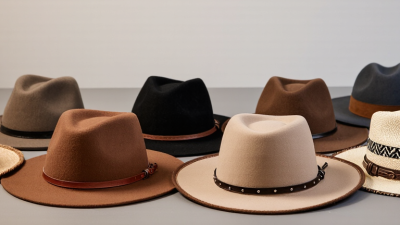
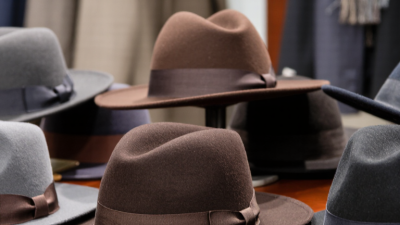
10 Best Western Hats for Men and Women in 2026
Choosing among the 10 Best Western Hats for Men and Women in 2026 means looking beyond a striking photograph. A hat should feel balanced, sit securely, and suit the way you plan to wear it. Crown shape and brim width change both its appearance and how it frames your face. Material matters, too: felt often suits cooler days, while straw can feel lighter in warm weather. Fit matters most. A snug sweatband should stay comfortable without leaving a deep mark, and the hat should not shift with every turn of your head. Small details count.
This guide compares Western Hats by practical features, including materials, sizing options, construction, and styling versatility. It also considers where each design may work best, from casual outings to dressier events. A broad brim may offer useful shade, but it can feel awkward in crowded spaces. A firm felt hat may hold its shape well, yet feel warm under a strong midday sun. No single pick suits everyone. That is useful to remember. Product descriptions can make every hat sound ideal, but comfort depends on head shape, personal preference, and local weather. Some details, such as fit and finish, are hard to judge from photos alone. Use the comparisons as a starting point, then check the maker’s sizing guidance and return policy before buying. The right choice should feel natural, not like a costume. And if a popular shape simply does not suit you, that is worth trusting.
Understanding Western Hats and Their Defining Features
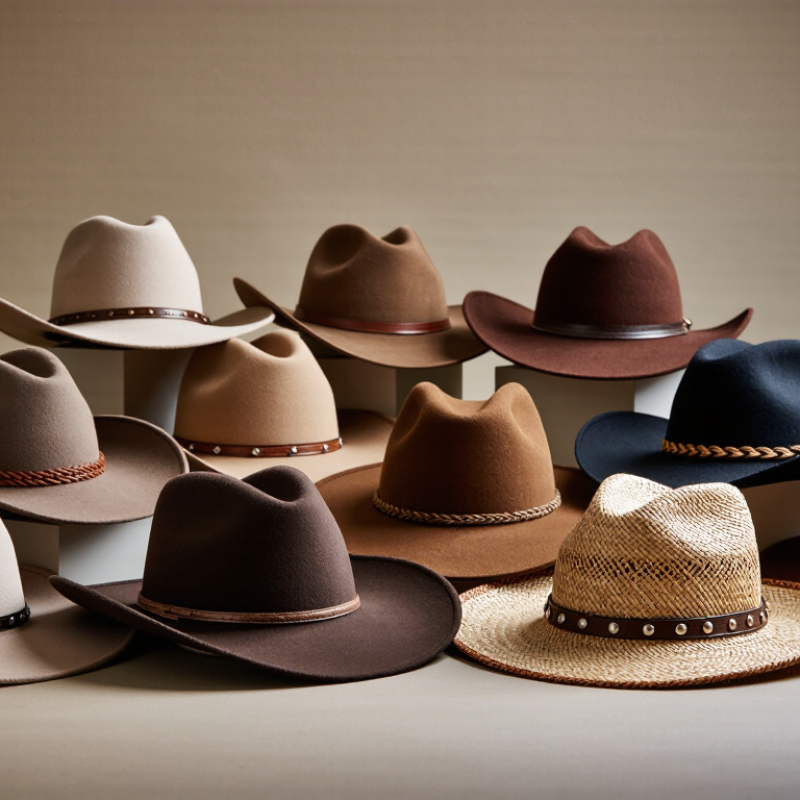
A Western hat is defined by its crown, brim, material, and the way it sits on the head. The crown may have a center dent, side creases, or a rounded profile; each changes the hat’s character. A higher crown can feel more dramatic, while a lower one often looks quieter. Brims may turn up at the sides or stay fairly level. Small details matter.
Felt hats offer structure and warmth, making them useful in cooler weather. Straw hats are lighter and allow more airflow on sunny days, though their stiffness and weave vary. Look closely at the brim edge, stitching, and sweatband; these can reveal how carefully a hat was made. Fit matters more than a fashionable shape. The band should feel secure without pinching, and the brim should suit your face and daily needs. Style guides can help, but they are not rules. Try one on. A hat that looks perfect on a display may feel awkward after an hour.
How to Choose a Western Hat for Fit, Material, and Purpose
A Western hat should feel secure without pinching. Measure around your head where the hat will sit, usually just above the ears and eyebrows. Compare that measurement with the maker’s size chart, since sizing can vary. Try the hat on and move your head gently; it should stay in place without leaving a painful mark. Hair, sweatbands, and seasonal changes can affect fit, so allow a little room for comfort. A mirror helps, but it cannot tell you everything.
Material matters as much as shape. Felt offers warmth and structure for cooler weather, while straw is lighter and often more comfortable on sunny days. Check the weave and finish: loose strands or rough edges may irritate skin. Choose a brim that suits your routine. A wider brim can shade your face outdoors, while a narrower one may feel easier in crowded spaces. There is no single shape that suits everyone, and I would not choose by appearance alone.
Tips: Try hats late in the day, when your head may be slightly larger. Check the fit with your usual hairstyle. If you wear glasses, test them together. Don’t ignore pressure at the temples; comfort beats a perfect photo.
10 Best Western Hats for Men and Women in 2026 — How to Choose a Western Hat for Fit, Material, and Purpose
Western Hat Fit Guide: Head Circumference by Hat Size
How to use this chart: Measure around your head just above your ears, keeping the tape level and comfortably snug. Use the circumference as a starting point when choosing a hat size; sizing can vary slightly between makers, and the hat’s material and shape can affect how it feels.
The 10 Best Western Hats for Men and Women in 2026
The 10 best Western hats for men and women in 2026 should suit real conditions, not just photographs. Compare a classic cattleman, wide-brim felt hat, ventilated straw hat, open-crown hat, pinch-front hat, gambler hat, lightweight wool blend, packable option, water-resistant style, and a low-profile everyday design. Look for a steady fit, a brim that shades your face, and a sweatband that feels comfortable against your skin. Small details matter. A brim that catches the wind or a stiff crown can become irritating after a few hours outdoors.
Outdoor Industry Association’s 2024 Outdoor Participation Trends Report counted 175.8 million U.S. outdoor participants in 2023. That figure supports choosing for activity and climate, though it does not measure Western-hat demand. Grand View Research estimated the global headwear market at about $26.5 billion in 2023; the broad category includes many kinds of hats, not just Western styles. For hot, sunny days, consider breathable straw and generous coverage; for cooler weather, felt or wool blends may feel more suitable. Check care instructions before buying, especially for packable or water-resistant options. Still, one hat rarely does everything. Fit can also vary between head shapes, and a stylish brim may be less practical in wind. A little compromise is normal.
Comparing Western Hat Styles for Work and Everyday Wear
Western hats for work should balance coverage, stability, and comfort. A broad brim helps shade the face and neck, while a firm crown is less likely to collapse during regular handling. Felt styles often suit cool, dry days and structured outfits. They can feel warm during long hours outdoors, though, so climate matters more than appearance.
For hot weather and everyday errands, a lightweight straw hat can feel less cumbersome. Check the weave: tighter construction generally offers more coverage than very open straw, but no hat replaces sunscreen. A gently curved brim looks traditional and can be practical around low branches. For driving or indoor wear, a shorter brim may be easier to manage. Small details matter.
Fit deserves a real try-on, not just a quick glance in the mirror. The hat should sit level, feel secure when you turn your head, and leave no painful pressure at the temples. Sweatbands can soften with use, so a slightly snug fit may become uncomfortable. I have found that the “perfect” shape is often less important than wearing it comfortably for several hours. Keep felt dry when possible, and let damp hats air-dry away from direct heat. For daily use, choose a style you will actually reach for.
How to Care for and Store a Western Hat
A Western hat lasts longer when its shape stays supported and moisture is handled carefully. After wearing it, lift it by the brim rather than squeezing the crown. Brush felt gently with a clean, soft brush, moving in one direction. For straw, use a dry cloth; avoid soaking it or scrubbing a spot, which can roughen fibers. Let a damp hat air-dry away from heaters and direct sun. Slow drying is safer.
Storage matters. Keep the hat in a cool, dry place, away from heavy objects and crowded hooks that can bend the brim. A hat box works well when the crown is supported and the brim is not pressed. Check the care label, because felt, wool, and straw do not respond alike. There is no universal stain trick; aggressive cleaning can turn a small mark into a larger problem. It is easy to overdo it.
WRAP’s 2012 Valuing Our Clothes report estimated that extending clothing use by nine months could reduce its carbon, water, and waste footprints by 20–30 percent. That figure is not specific to hats, but it underscores why careful maintenance matters. Before storing a hat for the season, make sure it is fully dry and free of dust. Small habits matter. A quick check now can prevent a misshapen brim later.