Why Are Felt Hats For Men So Popular?
Why Are Felt Hats For Men So Popular?
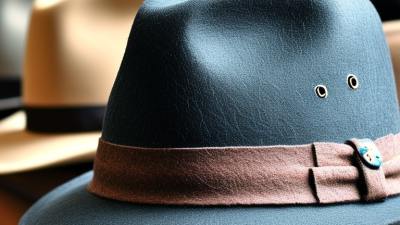
Felt Hats For Men remain popular because they combine practical protection with a distinctive sense of style. Made from compressed wool or fur fibers, felt offers warmth, structure, and a soft surface that feels comfortable in cooler weather. A well-shaped fedora, trilby, or wide-brimmed hat can change an ordinary outfit within seconds. That visual effect is powerful, but it is not the whole story.
Many men value felt hats for their everyday usefulness. A firm brim can shade the eyes from winter sunlight, while dense felt helps resist light wind and drizzle. Quality construction also matters. Experienced hat wearers often check the stitching, crown shape, sweatband, and lining before buying. These details affect comfort and durability more than a dramatic store display. A reliable hat should sit securely without pressing the temples. Small differences matter.
There is also a cultural reason for their lasting appeal. Felt hats appear in old photographs, western films, city streets, and modern fashion collections. They can suggest confidence, tradition, or quiet individuality. Yet personal taste is not universal. Some people find felt hats too formal, warm, or difficult to match with casual clothing. That honest limitation deserves attention. Popularity does not guarantee suitability.
Care influences the experience as well. Store a felt hat on its crown or in a supportive box, away from direct heat. Brush dust gently with a soft hat brush. Avoid treating every mark with water. When chosen for climate, face shape, wardrobe, and lifestyle, Felt Hats For Men can become practical accessories rather than costume pieces. Their appeal is real, though perhaps more personal than fashion trends suggest.
What Are Felt Hats for Men?
What Are Felt Hats for Men?
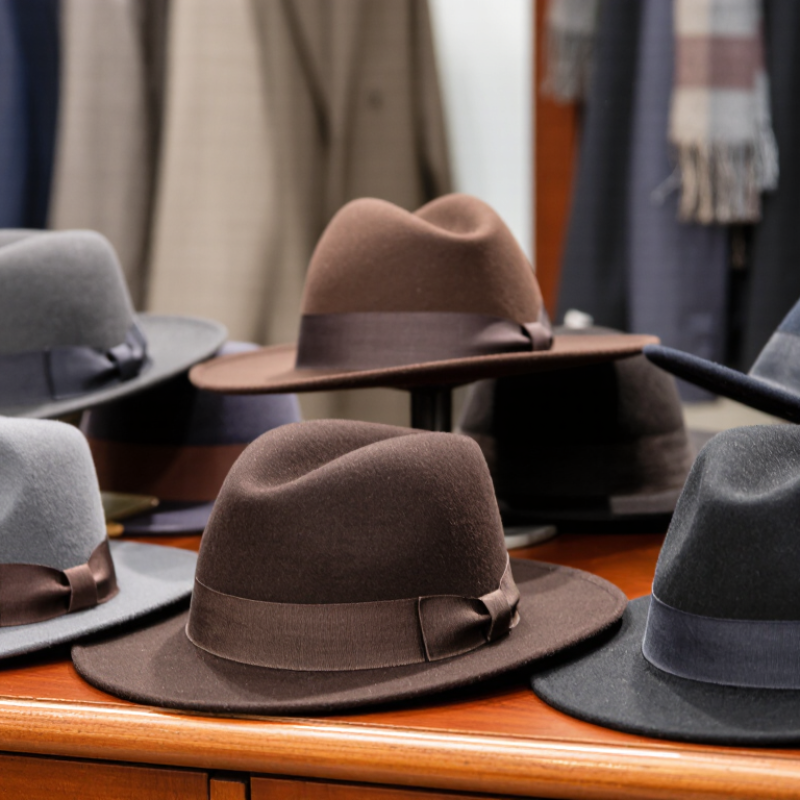
Felt hats for men are structured headwear made by compressing animal or plant fibers with moisture, heat, and pressure. Most traditional styles use wool felt, while finer versions may use fur felt. The result feels smooth, dense, and slightly warm. It is not woven like cotton fabric.
Felt has practical strengths. It can hold a firm crown, shield the face from sunlight, and resist light drizzle better than many loose textile hats. However, water resistance is not waterproofing. Prolonged rain can distort the brim or shrink the body. That detail is often overlooked. A well-shaped felt hat should feel balanced, not painfully tight, with enough room for natural hair movement. Fit still matters more than decoration.
Industry reports also explain the wider interest. Grand View Research’s 2024 headwear market analysis estimates continued global growth, supported by fashion, outdoor use, and changing casual dress habits. Textile Exchange’s Materials Market Report identifies wool as a small but established share of global fiber production, reinforcing felt’s material relevance. These reports do not measure men’s felt hats alone, so their figures should not be treated as a precise felt-hat forecast. That limitation matters. In daily use, buyers should inspect fiber content, brim recovery, stitching, and storage advice. A crushed hat may never fully recover.
How Felt Hats Developed Through History
Why Are Felt Hats For Men So Popular?
How Felt Hats Developed Through History
Felt hats began with a practical material: compressed animal fiber. Heat, moisture, and pressure locked the fibers together. This process created fabric without weaving. Early felt objects appeared across Central Asia, where travelers needed warm, light protection from harsh weather. Some historical accounts connect felt headwear with ancient nomadic communities. The evidence is incomplete, though. Felt may have developed in several regions independently.
As trade routes expanded, felt hats entered wider European use. Craftsmen shaped them with wooden blocks, steam, and careful hand pressure. Their dense surface resisted light rain and wind. A broad brim also shaded the face during outdoor work. By the eighteenth and nineteenth centuries, men wore felt hats for travel, work, ceremonies, and daily city life. Different crowns and brims quietly signaled occupation, status, or local custom.
The material also changed with technology. Improved pressing methods made hats more consistent, while dyes created deeper browns, blacks, and grays. Yet handmade shaping remained visible in small irregularities. A slightly uneven brim can show the maker’s touch. That imperfection is easy to overlook. It also gives the hat character.
Felt hats remain popular because history is built into their texture. They feel warm in the hand and soften with use. Still, comfort depends on fiber quality, ventilation, and accurate sizing. Fashion alone cannot fix a poorly fitted hat.
Why Felt Hats Remain Popular Among Men
Felt hats remain popular among men because they combine practical protection with a distinct, quiet character. In my experience, dense felt softens cold wind better than a thin fabric cap. It also shades the eyes during bright winter afternoons and keeps light rain away from the face. That usefulness matters more than passing fashion. A firm brim, shaped crown, and balanced fit can make an ordinary coat look considered without appearing excessive. The material has visual depth, too. Under indoor light, its surface may look matte; outdoors, it can show subtle shifts in color. Small details feel tangible: a warm crown, a slightly stiff edge, and gentle pressure around the temples.
Felt hats also last because men can adapt them to different settings. A restrained shape works with a wool overcoat, denim, or a simple shirt. Care is part of that appeal. A hat should be brushed gently, dried away from direct heat, and stored on support that protects its crown. Still, felt is not flawless. It can absorb moisture, collect dust, and lose its shape when handled carelessly. I have worn elegant hats that felt too tight after an hour. That experience changed my view of a “good fit.” Some men prefer a softer brim, while others need a firmer structure for windy streets. Personal comfort often decides whether a felt hat becomes daily wear or stays on a shelf.
Which Features Make Felt Hats Practical and Stylish?
Felt hats remain popular because they combine useful protection with a distinctive shape. Dense felt helps block cool wind and softens the impact of strong sunlight. A firm brim can shade the eyes, neck, and upper face. It also creates a clean outline that suits casual jackets, wool coats, and textured knitwear.
The material feels warm without looking bulky. Quality felt can hold its crown and brim shape during regular wear. Its natural surface also hides small marks better than smooth fabric. Many designs include a breathable sweatband, which improves comfort on longer walks. A carefully balanced hat should feel secure, not tight. That detail matters more than appearance alone. A hat that slips in the wind quickly becomes irritating.
Felt is practical, but it is not effortless. Light moisture usually causes little trouble, while heavy rain may distort the fibers. Let a damp hat dry naturally, away from direct heat. Brushing away dust with a soft brush can preserve its texture. Felt may also feel too warm in humid weather. I have found that a lighter style works better indoors, although personal comfort varies. The right brim width depends on face shape, clothing, and daily use. Wider brims offer more shade, but narrower ones often feel easier in crowded spaces. Some choices look stylish. Others simply work better.
How to Choose and Care for a Men’s Felt Hat
Why Are Felt Hats For Men So Popular?
How to Choose and Care for a Men’s Felt Hat
A men’s felt hat can add warmth, structure, and quiet character to an outfit. Wool felt usually feels softer and handles everyday wear well. Fur felt often offers a smoother finish and stronger shape retention. However, material alone does not guarantee quality. Check the stitching, sweatband, edge finishing, and crown stability before buying. A hat should sit securely without pressing your temples. Measure your head where the hat naturally rests, then compare that measurement with the seller’s size guide. Small differences matter.
Tips: Try the hat with your usual hairstyle. Walk, bend, and turn your head before deciding. Choose a brim that suits your face and daily routine. A wider brim gives more coverage, while a shorter brim feels easier indoors. Neutral shades are practical, but darker felt can show dust and lint more clearly.
Keep your hat away from heavy rain, direct heaters, and prolonged sunlight. If it becomes damp, reshape it gently and let it dry at room temperature. Never place it crown-down, because the crown can lose its form. Store it on a hat stand or in a breathable box. Brush dust away with a soft hat brush, moving around the felt rather than against it. I once left a felt hat in a crowded wardrobe, and its brim developed a stubborn curve. Care helps, but it cannot prevent every mark. A professional hat cleaner may be safer for deep stains or serious reshaping.
Why Felt Hats for Men Stay Popular: Material Moisture Behavior
Felt hats remain popular because they combine shape retention, warmth, and a refined appearance. Moisture regain shows how much water vapor a fiber can absorb under standard textile-testing conditions. Wool felt generally needs more careful drying and storage than low-moisture synthetic fibers: keep the hat away from direct heat, allow it to air-dry, and store it on a support that preserves its shape.
Indicative fiber moisture-regain values at standard atmospheric conditions: wool 14–18%, nylon 4.5%, acrylic 1.9%, and polyester 0.4%. Values vary by fiber treatment and test method.