Why Is Chops Spice Popular with Buyers?
Why Is Chops Spice Popular with Buyers? The answer may lie in a simple promise: bold flavor with little effort. A seasoning blend can turn chicken, vegetables, or a pan of rice into a more distinctive meal. Buyers often value that flexibility, especially when one jar works across several familiar dishes. Convenience matters. So does taste. The International Food Information Council’s 2024 Food & Health Survey found that taste influenced food and beverage purchases for 85% of respondents. Price influenced 76%, while healthfulness influenced 62%. These figures describe broad consumer preferences, not Chops Spice customers specifically.
The wider market offers useful context. Grand View Research estimated the global spices and seasonings market at USD 21.3 billion in 2022, with projected annual growth of 5.6% from 2023 through 2030. That trend suggests ongoing interest in flavor, but it does not prove why any single product sells. The evidence has limits. Chops Spice may appeal through its aroma, balanced seasoning, easy-to-use format, or perceived value; buyers’ reasons can differ. A practical test is the label: check the ingredients, serving guidance, and sodium content, then try a small amount before seasoning a whole dish. That detail matters. Market growth is encouraging context, not a substitute for verified product reviews or sales data. A closer look at flavor, versatility, and buyer feedback can explain the appeal more reliably.
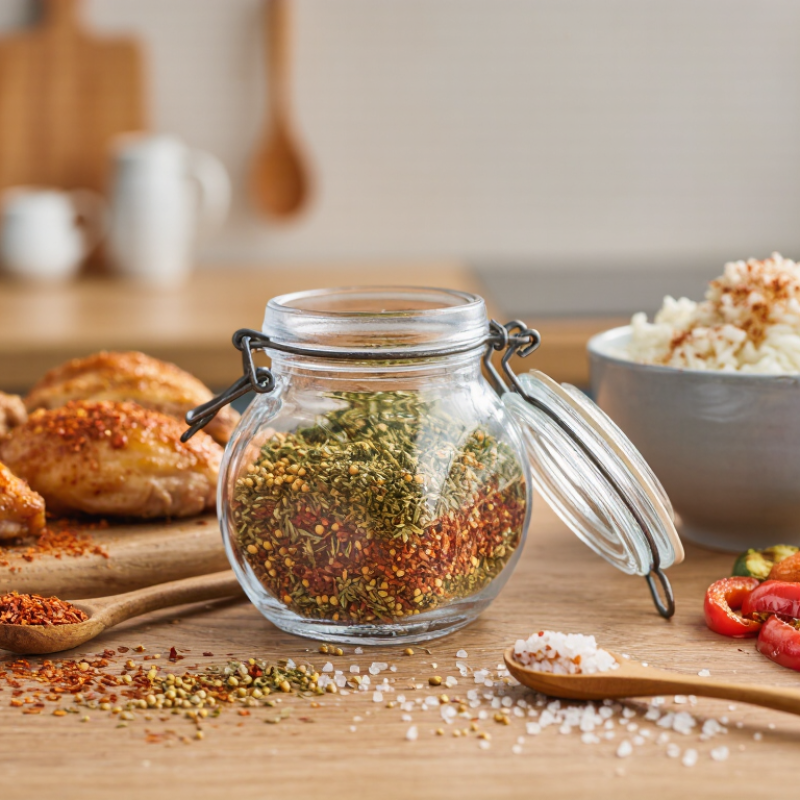
What Is Chops Spice?
Chops spice is a seasoning blend made to complement meat chops, such as lamb, pork, or goat. There is no single fixed recipe. One blend may feature black pepper, garlic, paprika, and thyme; another may lean on coriander, cumin, or dried herbs. Salt content also varies, so checking the ingredient list matters, especially when a dish already includes salty sauces.
The goal is flavor that holds up during cooking without hiding the meat itself. Pat the chops dry, then apply a light coating of oil and seasoning so the spices cling to the surface. A short rest helps the flavor settle. Not magic, just useful. For a quick test, cook one seasoned chop before adding more spice to the rest; blends can taste sharper or saltier after heating. Paprika may deepen in color, while garlic can scorch over high heat, so watch the pan and adjust the cooking heat as needed. Fresh herbs or a squeeze of lemon can brighten the finished dish, though that depends on the blend and personal taste. A little unevenness is normal. Different cuts absorb seasoning differently.
Which Ingredients Shape Its Flavor and Aroma?
Chops spice draws buyers because its ingredients create a savory crust and a clear aroma as the meat cooks. Paprika often brings gentle sweetness and a warm red color, while black pepper adds a sharper, lingering bite. Garlic and onion powders deepen the savory notes without adding moisture to the surface. The exact balance varies between blends.
Herbs such as thyme or oregano can add a dry, grassy scent that becomes more noticeable near a hot pan. A little chili may give warmth, but too much can hide the meat’s own flavor. Salt helps season the chop throughout, while sugar, when included, encourages browning. It can also scorch if the heat is too high. Watch the pan.
A quick sniff before seasoning can reveal whether a blend leans peppery, herbal, or sweet. Smell matters. For a more even coating, pat the chops dry and use a light, consistent layer; heavy clumps may taste salty in one bite and bland in another. I’d still check the ingredient list, since “chops spice” does not describe one fixed recipe. A blend that smells bold in the jar may mellow during cooking, and that small surprise is part of choosing one.
Why Is Chops Spice Popular with Buyers? - Which Ingredients Shape Its Flavor and Aroma?
Common ingredients in chop-seasoning blends and the flavors they can contribute. Recipes vary, and not every blend contains all of these ingredients.
| Ingredient | Flavor and Aroma | Role in a Chop Seasoning | Why It Can Appeal to Buyers |
| Salt | Salty, clean taste; brings other flavors into sharper focus. | Provides the seasoning’s savory base and helps distribute flavor across the meat’s surface. | Familiar, straightforward seasoning that works with many cooking methods. |
| Black pepper | Woody, pungent aroma with a mild, lingering heat. | Adds contrast to the meat’s savory flavor and complements salt and garlic. | Offers a recognizable peppery taste without requiring a complex spice blend. |
| Garlic | Savory, pungent aroma that becomes mellower when cooked. | Builds a rounded, savory character and pairs well with pork and other meats. | Adds a familiar savory note that suits everyday meals. |
| Onion | Mildly sweet and savory, with a toasted aroma when cooked. | Adds depth and rounds out sharper flavors such as pepper and garlic. | Contributes a balanced, home-style savory profile. |
| Paprika | Typically mild, sweet, and earthy; its aroma and heat vary by type. | Adds color and gentle pepper flavor. Smoked paprika can contribute a smoky note. | Brings visual color and lets recipes range from mild to smoky. |
| Thyme or rosemary | Herbal and aromatic; rosemary is more pine-like, while thyme is often subtler and earthy. | Adds an herbaceous note that complements roasted or grilled meat. | Creates a savory, herb-led flavor profile without relying only on heat. |
| Brown sugar | Sweet, with a light molasses note. | Balances salty and spicy notes and can help a browned crust develop; sugary coatings can scorch over very high heat. | Offers a sweet-savory contrast that works especially well in rubs and glazes. |
How Is Chops Spice Used in Cooking?
Chops spice is usually a dry blend, so its flavor develops best when it meets a hot, lightly oiled surface. Pat pork or lamb chops dry, then coat both sides evenly. Let the seasoning sit for 15 to 30 minutes if time allows. For a thicker crust, press the blend gently into the meat rather than piling it on. Start with a modest amount. Some mixes contain more salt than expected, and their recipes vary.
Sear the chops in a hot skillet, turning once the first side is browned. If the blend contains paprika, garlic, or dried herbs, watch the heat: these can darken quickly and taste bitter. For thicker cuts, finish cooking over lower heat, then rest the meat before serving. Chops spice also works on roasted potatoes, carrots, or chickpeas; toss them with a little oil before roasting. A pinch stirred into a pan sauce can add warmth, but add it gradually. I still find it easy to over-season a small batch.
Salt content deserves attention. USDA FoodData Central lists table salt at about 2,325 milligrams of sodium per teaspoon, though seasoning blends differ. Check the ingredient label and taste before adding extra salt.
Why Is Chops Spice Popular with Buyers? How Is It Used in Cooking?
Chops spice offers a convenient way to add a savory, aromatic crust to meat. Use it as a dry rub before cooking, mix it into a marinade, or sprinkle a little on just before serving. The chart shows suggested starting amounts—not buyer survey results—and amounts may vary depending on the blend’s salt content.
Starting guideline: amounts are per 500 g of pork chops. Check the blend label and adjust to taste, especially if it contains salt.
What Makes Chops Spice Popular with Buyers?
What makes chops spice popular with buyers is its convenience and familiar, savory flavor. A small sprinkle can bring garlic, pepper, herbs, and gentle warmth to pork or lamb chops without measuring several jars. The aroma rises quickly in a warm pan, while the seasoning helps create a more flavorful crust. That first sizzle matters. For a weeknight meal, a ready-made blend can save time and reduce kitchen clutter.
Its versatility is another draw. Cooks can rub it onto chops before grilling, stir a pinch into a marinade, or season vegetables served on the side. It also works with different cooking methods, though the result depends on the blend and the heat. Too much salt can overwhelm the meat. Check the ingredient list, then season lightly and taste as you go. I sometimes expect every blend to suit every cut; that is not quite true. A pepper-forward mix may shine on grilled pork but feel strong on a delicate lamb chop. Small adjustments make the difference.
How Can Buyers Choose and Store Chops Spice?
For chops spice, choose a blend that matches the cut and cooking method. A coarse mix clings well to fatty chops, while finer seasoning spreads easily but can burn under high heat. Read the ingredient list for salt, sugar, allergens, and named spices; compare similar blends by sodium per serving. Check the seal, lot code, and best-before date. The FDA’s 2013 Risk Profile on pathogens and filth in spices identifies microbial contamination as a safety concern, so favor products from suppliers that describe testing and handling controls. A dry appearance alone cannot confirm safety.
At home, keep the jar tightly closed in a cool, dark cupboard, away from the stove and sink. Steam and damp spoons can cause clumping and speed aroma loss. USDA FoodKeeper guidance gives ground spices about 2–3 years for best quality; that is a guide, not a guarantee. Heat, light, and repeated opening can dull flavor sooner. Smell a pinch before cooking: a faint, dusty aroma may mean the blend has lost its punch, though aroma is not a perfect freshness test.
Tips: Measure with a dry spoon, then close the lid promptly. Label the opening date if the jar is used slowly. Avoid shaking seasoning directly over a steaming pan.
