
A key chain may be small, but its material affects weight, surface finish, and everyday durability. Zinc Alloy Metal Key Chains are made by combining zinc with other metals, then shaping the mixture into a compact charm or tag. The process can produce fine details, raised lettering, and smooth edges. A cool metal feel. Many designs receive plating or paint, so the visible finish is not necessarily the alloy itself.
The raw-material context matters, though it should not be confused with key-chain market data. The U.S. Geological Survey’s Mineral Commodity Summaries 2024 reports global zinc mine production of roughly 12 million metric tons in 2023. That figure describes zinc supply, not how many key chains are made or sold. The International Zinc Association also identifies corrosion protection and alloying as major uses of zinc, helping explain why zinc-based materials appear in manufactured goods. For a buyer, practical questions remain: What is the base metal? How thick is the plating? Will the design tolerate keys rubbing against it? A glossy sample can look convincing under studio lighting, but real wear may reveal scratches or fading. That is worth checking. This guide explains how zinc alloy key chains are made, what their finishes can and cannot tell you, and which details to verify before choosing one.
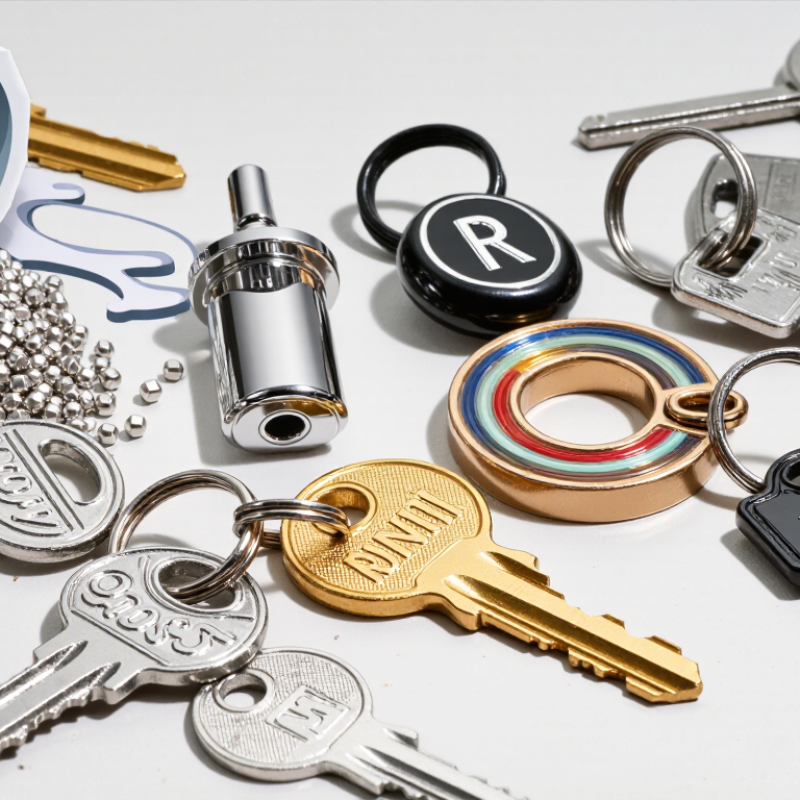
A zinc alloy metal key chain is a small accessory made by combining zinc with metals such as aluminum or copper. Many are die-cast, a process that can create crisp lettering, raised borders, and detailed shapes. The exact alloy and finish vary. A bright plated surface may look polished, while enamel adds color to recessed areas.
Typical uses include souvenir keepsakes, event giveaways, staff identification tags, and custom gifts. Their compact size suits everyday use: a metal loop can hold several keys, while a flat charm fits easily in a pocket. The USGS Mineral Commodity Summaries 2024 estimated global zinc mine production at about 12 million metric tons in 2023. That figure describes mined zinc, not key-chain output, so it should not be read as a measure of product demand.
Tip: Check the ring connection and finish before ordering. A smooth edge feels better in the hand; thin coatings may show scratches with daily use. Even a well-made piece can wear. That detail is easy to overlook.
What Is a Zinc Alloy Metal Key Chain?
A zinc alloy metal key chain is often made by die casting, a process that presses molten alloy into a shaped mold. Zamak 3 is a common zinc-based option. Its composition includes about 4% aluminum and 0.03–0.06% magnesium, with zinc making up most of the remaining material. Exact limits can depend on the applicable specification, so the alloy certificate matters more than a product label alone.
The aluminum contributes to strength and helps the alloy fill fine mold details. That can produce crisp lettering, raised edges, or a small textured emblem. Magnesium is present in a much smaller amount. It helps support the alloy’s mechanical properties and its behavior around impurities. A little goes a long way. When inspecting a key chain, look at thin corners and the ring attachment; these areas can reveal rough casting or weak finishing. A coating may improve appearance, but it does not change the underlying alloy composition. I would not assume every zinc-alloy key chain uses Zamak 3, or that every casting performs identically. Small differences in alloy control, mold design, and finishing can matter.
The chart shows the approximate aluminum content and the specified magnesium range in Zamak 3 by weight. Magnesium is present at a much lower level than aluminum, so its bar is small on the shared scale. The remaining composition is primarily zinc; exact composition can vary within applicable specifications.
A zinc-alloy metal key chain is usually die-cast from a zinc-based alloy, not pure zinc. For common Zamak-type alloys, industry property tables commonly list a density near 6.6 g/cm³ and a melting range of 381–387°C. The International Zinc Association’s zinc die-casting guidance describes why these alloys suit detailed cast parts: molten metal can fill small features, such as lettering and narrow grooves. At 6.6 g/cm³, a solid alloy volume of 1.5 cm³ weighs about 9.9 grams. That is compact, but it may feel heavier than an equally sized plastic tag.
The numbers need context. The National Institute of Standards and Technology lists pure zinc’s melting point at about 419.5°C, above the cited alloy range. Alloying changes the thermal behavior, so the 381–387°C range should not be treated as a universal value for every key chain. ASTM B86 sets requirements for zinc-alloy die castings, while the exact alloy grade and production controls determine the finished part’s properties. A lower melting range supports efficient casting, but it does not describe the key chain’s safe service temperature. Small details matter. Plating, wall thickness, and sharp edges can affect durability and feel; density alone cannot predict either. A heavy tag may seem reassuring, though that impression is not a test result.
| Property | Typical Value or Description | What It Means for a Key Chain |
|---|---|---|
| Material | Zinc-based die-casting alloy; composition depends on the alloy grade. | Allows small decorative parts to be cast with detailed shapes. |
| Density | Approximately 6.6 g/cm³ for a common zinc die-casting alloy. | Gives the finished item a solid feel; weight depends on its size and design. |
| Melting range | 381–387°C for a commonly used zinc alloy grade. | Supports casting at lower temperatures than many iron- or copper-based alloys. |
| Manufacturing process | Often produced by pressure die casting. | Suitable for repeatable production of intricate outlines, lettering, and relief details. |
| Surface finish | Can be polished, painted, or given a plated finish, depending on the design. | The finish affects appearance and can influence resistance to surface wear and tarnishing. |
| Corrosion behavior | Performance depends on alloy composition, coating, and exposure conditions. | Keeping the surface coating intact helps limit deterioration from moisture and handling. |
| Property variation | Values are typical references, not specifications for every zinc alloy. Exact properties vary with alloy grade, casting process, and product design. | |
A zinc alloy key chain often begins as molten metal injected into a hardened steel die. Pressure pushes the alloy into small features, such as lettering, grooves, and shaped edges. After cooling, the casting is released, trimmed, and checked for visible defects. The process suits compact parts with detailed forms. A faint seam may remain where the die halves meet.
ASTM B86 covers zinc and zinc-aluminum alloy foundry and die castings. It sets material requirements, including alloy composition, so buyers and manufacturers can refer to a recognized specification. Ask suppliers for the alloy designation and relevant material records; a product description alone may not confirm compliance. Details matter.
The standard is a useful baseline, not a complete quality guarantee for a finished key chain. It does not, by itself, establish the durability of plating, paint, or an attached ring. Those parts need separate checks, such as coating adhesion tests and inspection of the ring connection. Even with careful production, occasional surface marks can occur, so clear acceptance criteria help prevent misunderstandings.
A zinc alloy key chain can have a polished, brushed, or matte finish. Each surface shows wear differently. Polished plating looks bright under shop lighting, but fine scratches may become visible with daily use. Brushed textures can hide small marks, while matte coatings may wear smooth where fingers repeatedly touch them. A bright sample can be misleading; appearance alone does not prove durability.
Small flaws matter. Check the edges for rough spots, bubbles, or uneven color. Look closely around holes and raised details, where thin plating can be easier to miss. Then test the key ring and clasp: attach keys, open and close the clasp several times, and look for looseness or sharp movement. Feel the edges. A basic rub test with a soft cloth may reveal loose coating, though it cannot replace controlled abrasion or corrosion testing. For a more reliable quality check, ask how finish adhesion and wear are evaluated, and whether results come from finished parts rather than unfinished samples. No finish stays perfect forever; the useful question is how evenly it wears and whether the hardware remains secure.