
Plastic Bags are not one uniform product. Their material, thickness, shape, and sealing method affect how they perform. A thin HDPE grocery bag feels crisp and often makes a sharp rustling sound. A softer LDPE bag bends easily and suits produce, clothing, or garment storage. LLDPE bags provide useful stretch and puncture resistance for heavier loads. These differences matter during packing, transport, and daily handling. Small details matter. A bag that looks strong may still split at a sharp corner.
This guide examines the top types of Plastic Bag and explains where each option works best. It considers clarity, flexibility, strength, moisture protection, and practical cost. It also discusses reusable, recycled-content, and certified compostable options without treating them as identical. Their performance depends on design, facilities, and disposal conditions. Packaging professionals often check thickness, load weight, closure quality, and product compatibility before selecting a bag. Buyers should also review supplier specifications and local waste guidance. Labels can confuse buyers. The categories are not perfectly neat, and one bag may serve several purposes. A responsible choice balances function with environmental impact. It also recognizes an uncomfortable fact: a convenient bag is not automatically a sustainable one. This overview offers a clear starting point, while leaving room for careful comparison and improvement.
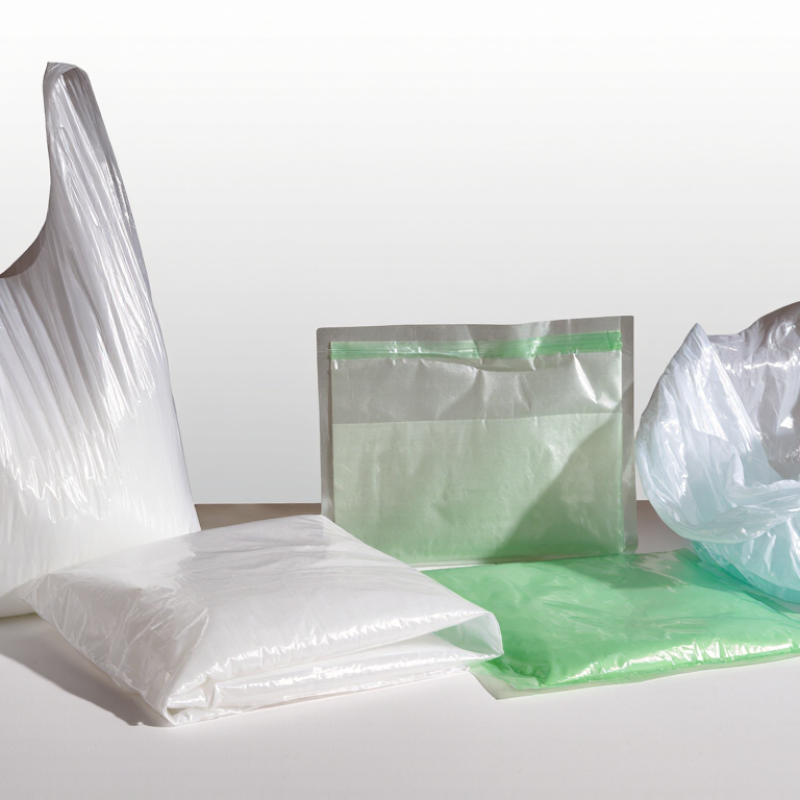
Plastic bags differ mainly by material, thickness, and construction. Low-density polyethylene bags are soft, flexible, and resistant to moisture. They suit produce, clothing, and lightweight retail items. High-density polyethylene bags feel thinner but often provide stronger tear resistance. Their crisp texture is common in grocery and waste applications.
Polypropylene bags are clearer and more rigid than polyethylene options. They work well for packaging products that need visibility and a cleaner presentation. Some bags use recycled plastic, reducing demand for new raw materials. However, recycled content can affect clarity, strength, and consistency. Specifications matter more than appearance.
Design changes how a bag performs. Flat bags fit documents and small items, while gusseted bags expand for bulky contents. Drawstring designs offer quick closure. Zip bags protect contents from dust and short-term moisture exposure. Vacuum bags remove air and help reduce package volume. Perforated rolls make individual bags easier to separate. I have found that thicker plastic is not always better. It may resist punctures, yet use more material than necessary. A thin bag can perform well when its dimensions and load are carefully matched. Compostable bags also require suitable industrial conditions in many cases. They may not break down properly in ordinary outdoor settings. Buyers should check thickness, seal quality, recycled content, and disposal guidance before choosing a bag.
What Are the Top Types of Plastic Bags?
Common Plastic Bag Types and Their Typical Uses
Plastic bags differ in strength, flexibility, sealing style, and thickness. Thin high-density polyethylene bags are common in retail settings because they are light and economical. They work well for clothing, small household items, and packaged goods. Low-density polyethylene bags feel softer and stretch more easily. Many businesses use them for bread, frozen foods, and products with uneven shapes.
Resealable bags use a press-to-close track or slider seal. They help store snacks, craft supplies, screws, and travel items. Freezer bags are usually thicker and resist moisture better than ordinary food bags. Still, a freezer bag is not automatically suitable for every food-contact situation. Users should check the packaging information and storage temperature guidance.
Produce bags are extremely thin and designed for short-term handling of fruits and vegetables. Garbage bags range from small bathroom liners to heavy-duty sacks for bulky waste. Courier mailers often combine a flexible plastic film with a strong adhesive flap, protecting documents or soft items from rain. Thickness matters here. A thin bag may tear when corners press against it. I have found that choosing a larger bag can prevent stretching, but oversized bags may waste material and slide around. Not every “strong” bag performs equally well. Shape, seal quality, load weight, and storage conditions all affect practical use.
This chart compares common plastic bag types by their representative film thickness. Thicker bags generally provide greater strength and puncture resistance, while thinner bags are commonly used for lightweight products.
Thickness values are approximate representative midpoints of commonly used ranges and can vary by application, material, and required load strength.
Plastic bags vary in material, thickness, structure, and intended use. These features directly affect performance.
Low-density polyethylene bags feel soft and flexible. They work well for lightweight items and irregular shapes. High-density polyethylene bags are thinner but often provide better stiffness and tear resistance. Polypropylene bags offer greater clarity and strength in certain applications. Thicker film is not automatically better. It may resist punctures, but it can reduce flexibility and increase material use.
Heat sealing also changes bag reliability. A strong seal should remain closed during lifting, storage, and movement. Weak seals can fail even when the film looks durable.
Moisture resistance matters for damp products, while breathability may suit fresh produce. Clear film improves product visibility and helps workers inspect contents quickly. However, clarity can sometimes reduce privacy or hide small surface defects. Testing matters.
Handle design affects comfort and load control. Die-cut handles suit lighter loads, while reinforced handles support repeated handling. Gusseted sides create more space but may place extra stress on the bottom seal.
In practical checks, a bag may pass a simple lifting test and still fail after repeated use. That result deserves attention. Drop tests, seal checks, and weight trials provide more dependable evidence.
Real conditions remain unpredictable. A cold storage room, sharp corner, or uneven load can change performance. Small design changes often matter more than appearance.
What Are the Top Types of Plastic Bags?
Choosing the Right Plastic Bag for Different Needs
Plastic bags are made for different jobs. T-shirt bags have handles and suit lightweight groceries or takeaway containers. Flat bags work well for bread, small parts, and other dry items. Gusseted bags expand at the sides, giving bulky goods more room. Produce bags are thin and light, while resealable bags help contain small items or snacks. The right shape matters.
Match the bag to its contents. For a few apples, a lightweight produce bag is usually enough. A stack of folded clothes needs a wider bag with stronger seams. For screws or craft supplies, a resealable closure can prevent spills in a drawer. Check the dimensions, handle strength, and load rating when available. A bag that looks roomy may still split at the seams.
Thickness alone can mislead. A heavier bag is not automatically the best choice if the contents are sharp, wet, or unusually heavy. Look for puncture resistance and a secure closure when those details matter. For repeated errands, a durable bag that can be cleaned and reused may be more practical. Still, reuse only works when the bag stays clean and intact. That part is easy to overlook.
Plastic bags differ in material, strength, and recovery options. High-density polyethylene bags are thin and light, often used for groceries. Low-density polyethylene bags feel softer and suit produce or household storage. Woven polypropylene bags are stronger and can carry heavier loads. Compostable bags require suitable industrial facilities. They do not simply disappear in a backyard bin.
Reuse changes the environmental calculation. A durable bag should replace many single-use bags, not become another forgotten item. Keep reusable bags near the door, then wash them when handling damp food. A torn bag may still store shoes or line a small wastebasket. Small actions matter, but convenience often wins. That weakness deserves honest attention.
The OECD reported 353 million tonnes of plastic waste in 2019, with only 9% recycled globally. Its data also shows packaging creates a major share of plastic waste. The United Nations Environment Programme estimates that plastic pollution could fall by 80% by 2040 through reduction, reuse, recycling, and better waste systems. Recycling remains limited for many flexible bags because they are lightweight, easily contaminated, and can jam sorting equipment. The U.S. Environmental Protection Agency also recommends checking local collection rules before recycling plastic films. “Recyclable” does not always mean accepted. Material labels can mislead consumers when local infrastructure is missing. A realistic choice considers the bag’s full life: production, repeated use, cleaning, collection, and final disposal. Perfect answers are rare. Better habits need better systems.
| Bag Type | Common Uses | Reuse Potential | Recycling Considerations | Environmental Considerations |
|---|---|---|---|---|
| High-density polyethylene (HDPE) bags | Lightweight grocery, convenience-store, and produce bags. | Can often be reused for shopping, small-bin liners, or storage while clean and intact. | Flexible film is not accepted in many curbside recycling programs. Some communities and retailers offer separate film collection; check local rules and keep bags clean and dry. | Lightweight and material-efficient, but can become litter and may entangle wildlife. Reuse and proper collection help reduce waste. |
| Low-density polyethylene (LDPE) bags and film | Soft merchandise bags, bread bags, mailing films, and some produce bags. | Suitable for repeated use when clean and undamaged; thicker versions generally withstand more handling than very thin film. | Often handled through dedicated plastic-film collection rather than curbside bins. Acceptance varies, and attached labels or other materials may affect eligibility. | Like other lightweight films, it can escape waste systems and is difficult to sort when mixed with other materials. |
| Reusable woven polypropylene (PP) bags | Durable shopping and market bags, commonly made from woven plastic strips. | Designed for repeated shopping trips. Keeping the bag clean and using it regularly can extend its useful life. | Mixed construction, coatings, handles, or fabric components can make recycling difficult. Check whether a local program specifically accepts the bag. | Its environmental performance depends on material, manufacturing, and how often it is reused. Replacing it frequently can reduce the benefit of reuse. |
| Nonwoven polypropylene (PP) bags | Reusable shopping and promotional-style bags made from bonded plastic fibers. | Reusable, though durability varies with thickness, stitching, and load. Use repeatedly and repair when practical. | Not usually suitable for ordinary curbside recycling. Collection options for this material are limited and vary by location. | Reusing the same bag many times is more important than simply choosing a bag labeled reusable; dispose of it through an appropriate local route when worn out. |
| Compostable plastic bags | Some food-waste liners, produce bags, and bags intended for specific composting programs. | Reuse only as directed by the product and local waste program; some are designed to break down under particular composting conditions. | Generally should not be placed with conventional plastic-film recycling. Industrially compostable bags require an accepting composting facility; home compostability should not be assumed. | “Compostable” does not mean the bag will break down quickly in a landfill or the natural environment. Follow local instructions to avoid contaminating recycling or compost streams. |
Important: Recycling and composting rules differ by location. Check local waste guidance before placing bags or films in a collection bin.