
What Are the Top Types of Walnut Food Products?

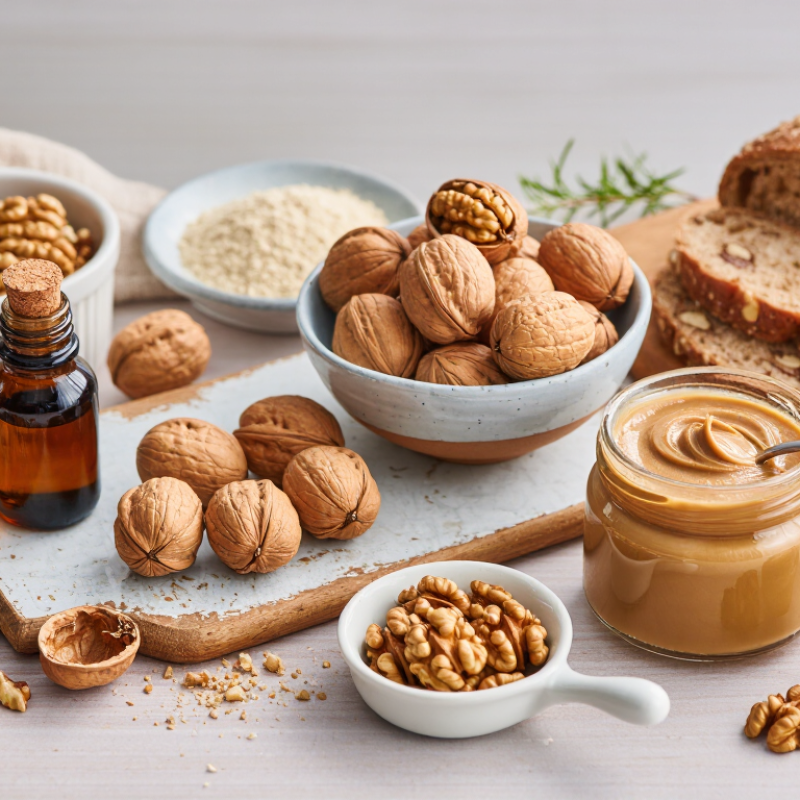
Walnut Food reaches far beyond a bowl of plain kernels. Walk through a grocery aisle and the range becomes visible: whole walnuts in their shells, crisp halves, chopped pieces, walnut butter, cold-pressed oil, flour, snack mixes, and baked goods. Each product uses the nut differently. Texture, flavor, convenience, and storage all matter. Some shoppers want a quick handful; others want a fine flour for a recipe or a rich oil for dressing. Simple choices, with real differences.

Walnut specialist Dr. Bruce Lampinen’s work offers a useful principle, paraphrased rather than quoted verbatim: sound nuts and careful handling help preserve quality before processing. That perspective matters when comparing products, because appearance alone tells only part of the story. A glossy butter may feel smooth, while a bag of chopped walnuts can bring more bite to oatmeal or bread. Freshness matters, too. Rancid notes can spoil an otherwise thoughtful purchase. It is easy to overlook that.

This guide will map the main types of Walnut Food products, explain how they are made and used, and point out what to consider when choosing them. It will distinguish everyday ingredients from specialty options without pretending every product suits every kitchen. The categories overlap, and labels do not always make comparisons easy. That is worth keeping in mind.
What Are the Top Types of Walnut Food Products?

Common Forms of Walnuts Used in Food Products

Walnuts enter food products in several practical forms. Whole kernels and halves appear in bakery toppings, snack mixes, and confectionery, where their crisp bite and pale-gold color remain visible. Chopped pieces distribute more evenly through bread dough, granola, and salads. Fine walnut meal can add moisture and a mild, earthy flavor to cakes, though it may make a crumb denser than wheat flour. Texture matters.

Walnut paste and butter suit fillings, sauces, and spreads; walnut oil is used in dressings and some prepared foods. These forms behave differently during storage and cooking, so a product’s format affects both flavor and texture. USDA FoodData Central reports that raw English walnuts provide about 654 calories, 15.2 grams of protein, and 6.7 grams of fiber per 100 grams. That profile describes the kernels, not every finished product: pressing removes most solids from oil, while added sugar or salt changes a spread’s nutrition. It is easy to treat “walnut” as one ingredient, but the difference between a whole kernel and a fine meal can be substantial in the finished bite.

What Are the Top Types of Walnut Food Products? - Common Forms of Walnuts Used in Food Products

Walnut Form How It Is Prepared Common Food Uses Typical Characteristics
Whole kernels Walnut kernels are removed from the shell and kept largely intact. Snacking, baking, salads, trail mixes, and toppings for oatmeal or yogurt. Offer a substantial crunch and are easy to portion or serve as a garnish.
Halves and quarters Kernels are separated into large pieces, usually along their natural ridges. Decorating cakes and breads, adding to salads, and mixing into snack blends. Retain a recognizable appearance and provide a prominent nut texture.
Chopped or diced walnuts Kernels are cut into small, relatively uniform pieces. Cookies, muffins, quick breads, granola, stuffings, and savory dishes. Distribute more evenly through batters and other mixtures than larger pieces.
Walnut pieces Kernels are broken into irregular pieces during processing or handling. Baking, cereals, confectionery, fillings, and packaged nut mixes. Convenient for recipes where uniform size or decorative presentation is not essential.
Ground walnuts Kernels are milled into a coarse or fine meal. Cake and cookie recipes, crusts, sauces, fillings, and coatings. Add walnut flavor and some natural oil; finely ground walnuts can make mixtures denser.
Walnut flour Walnuts are finely ground; some products are made from partially defatted walnut meal. Gluten-free baking blends, pancakes, breads, and recipe coatings. Contains no gluten naturally. Baking results vary with grind size and fat content, so it is often combined with other flours.
Walnut butter or paste Walnut kernels are ground until they form a spreadable paste; texture may be smooth or coarse. Spreads, sauces, dips, dressings, fillings, and smoothies. Has a rich, nutty flavor. Natural oil may separate during storage and can be stirred back in.
Walnut oil Oil is extracted from walnut kernels, often by pressing. Salad dressings, finishing dishes, and selected baked goods. Provides walnut aroma and is generally used for flavor rather than prolonged high-heat cooking.

Whole and Chopped Walnuts

Whole and Chopped Walnuts

Whole walnuts offer a satisfying crunch and work well as a snack or table garnish. Their halves look attractive on salads, oatmeal, and baked goods. Chopped walnuts spread more evenly through cookie dough, quick breads, and granola. They also make a simple topping for roasted vegetables. The pieces can vary in size, though, so a few bites may feel crunchier than others.

Both forms bring a rich, earthy flavor, with a slight bitterness that becomes stronger as walnuts lose freshness. Buy pieces that smell mild and nutty, not stale or paint-like. Store them in an airtight container in a cool place; refrigeration can help preserve their flavor. I sometimes prefer chopped walnuts for baking, but larger pieces feel better in a salad. It depends on the dish.

Tips: Toast walnuts briefly in a dry pan over low heat, stirring often. Let them cool before adding them to food. They can burn quickly, so stay nearby. Chop whole walnuts with a sharp knife, using gentle pressure to keep pieces from scattering. If a recipe needs an even texture, measure after chopping rather than before.

Walnut Oil and Its Culinary Uses

Walnut oil is best treated as a finishing oil, not a neutral workhorse. Its toasted, slightly earthy aroma suits roasted squash, steamed green beans, grain salads, and vinaigrettes. Add it after cooking, or whisk it with cider vinegar and a little mustard. The flavor is delicate. High heat can dull it and make the oil taste heavy. USDA FoodData Central lists walnut oil at about 884 calories and 100 grams of fat per 100 grams. That composition makes portion size worth watching; a teaspoon can bring plenty of flavor. The database is a nutrition reference, not a cooking-performance test.

Tips: Keep the bottle tightly capped in a cool, dark place; refrigerate after opening if the label advises it. Drizzle a little over warm vegetables, taste, then add more only if needed. For baking, walnut oil can replace some liquid oil, but its flavor may dominate mild cakes. I learned that the hard way. Pair it with ingredients that can meet its richness, such as lemon, bitter greens, or crisp apples. Check the aroma before use; rancid oil can smell stale or paint-like, and no dressing can hide that.

Source: USDA FoodData Central, generic walnut oil nutrient data.

Walnut Oil: A Typical Fatty-Acid Profile

Walnut oil is rich in polyunsaturated fats, especially linoleic acid and alpha-linolenic acid (ALA), a plant-based omega-3 fatty acid.

Approximate representative percentages by total fatty acids; values vary with walnut variety and processing. Its delicate flavor makes walnut oil a popular choice for salad dressings, dips, and finishing dishes. Use unrefined walnut oil mainly without high heat.

Walnut Butter and Walnut Pastes

Walnut butter is made by grinding walnuts until their natural oils create a spreadable texture. Roasted nuts usually produce a deeper, toastier flavor; raw walnuts taste milder and can seem slightly bitter. The texture varies. A few minutes of grinding may leave a thick, grainy butter, while longer processing often makes it smoother. Some jars separate, with oil rising to the top. Stir it back in, and check the ingredient list for added salt or sweeteners if you prefer a simple spread. Freshness matters: walnuts contain delicate oils that can develop stale flavors when stored warm for too long.

Walnut paste is often finer and denser than everyday nut butter, making it useful in sauces, fillings, and baked goods. A spoonful can enrich a vegetable sauce, or add earthy depth to cookie dough. Try a little at a time. Its flavor can quickly crowd out lighter ingredients, and recipes may need extra liquid because paste thickens as it rests. For a quick snack, spread walnut butter on toast with sliced pear; for cooking, loosen walnut paste with warm water or oil. Results are not always perfectly smooth, especially with home equipment, and that slight roughness can be part of the appeal. Store opened products tightly covered in a cool place, or refrigerate them to help preserve their flavor.

Walnut Flour and Other Processed Products

Walnut flour brings a mild, earthy flavor and a fine, slightly oily texture to baking. Some products are made from whole ground walnuts; others use press cake left after oil extraction. That difference affects fat, protein, and how much moisture a recipe needs. Check the ingredient label, since “walnut flour” does not always mean the same thing.

In muffins or quick breads, walnut flour can replace part of the wheat flour, but it has no gluten to provide structure. Start with a modest amount, then adjust after seeing how the batter holds together. Too much may make a loaf crumbly or heavy. Texture matters. I would test a small batch before changing a favorite recipe.

Other processed walnut products include walnut meal, chopped kernels, walnut butter, and walnut oil. Meal works well as a coating for fish or vegetables, while walnut butter adds richness to toast or sauces. Oil is best used in dressings or added after cooking, since prolonged heat can dull its delicate flavor. Store flour and meal in a sealed container in the refrigerator; their natural oils can turn stale. Freshness is easy to overlook. A quick sniff can help, but it is not a perfect check.