What Are the Top Straw Cowboy Hat Styles for 2026?

In 2026, a straw cowboy hat is more than a warm-weather accessory. It can shade your face on a bright trail, finish a ranch-inspired outfit, or add a crisp line to a summer event look. The right style depends on more than appearance. Crown shape, brim width, weave density, fit, and ventilation all affect how a hat feels and performs.

This guide explores the leading Cowboy Hat Straw styles for the year, from classic cattleman crowns to relaxed, wide-brimmed designs. You’ll see how natural straw tones compare with darker finishes, and why details like a shaped brim or patterned hatband can change the overall feel. Small differences matter. A hat that looks sharp on a product page may sit too high, feel stiff, or offer less shade than expected. Trying it on is still wise.

A trustworthy expert quotation would help ground this topic, but no source article or verified quote was provided. I won’t invent one or attribute words to a named hat professional. Instead, this guide focuses on practical details shoppers can check: even weaving, comfortable fit, balanced proportions, and clear care instructions. Straw hats also vary by construction, so no single style suits every head shape, climate, or occasion. That is worth admitting. Use the comparisons ahead to find a hat that feels right in real daylight, not just in a studio photograph.
What Are the Top Straw Cowboy Hat Styles for 2026?

What Defines a Straw Cowboy Hat

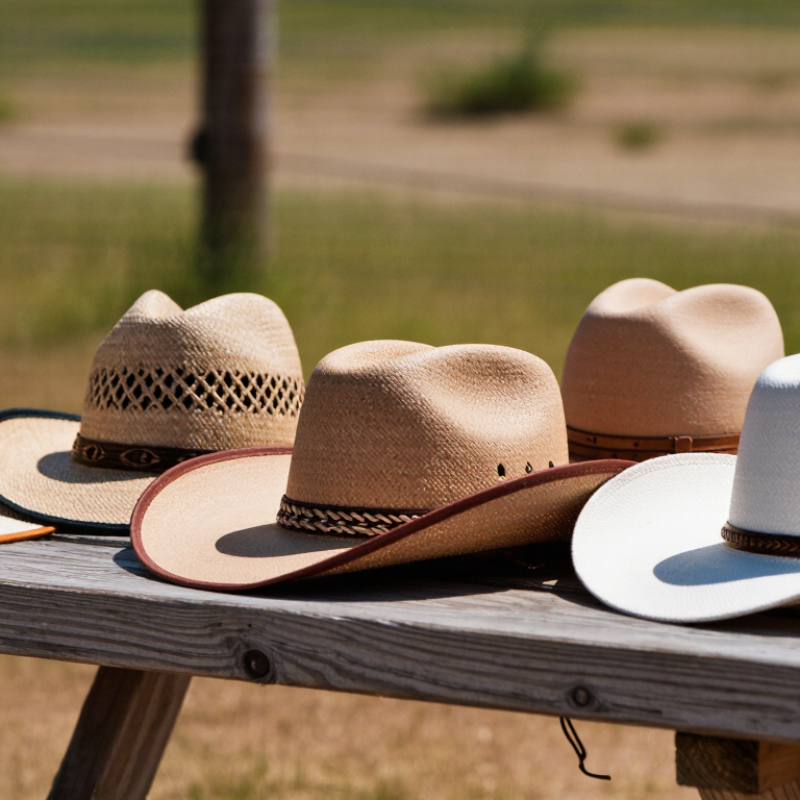
A straw cowboy hat is defined by its woven plant-fiber construction and its practical western silhouette. Common materials include raffia, palm leaves, and wheat straw, though blends and paper-based fibers are also used. Its familiar profile usually pairs a raised crown with a broad brim. The crown may have a pinched front or structured creases, while the brim can curve up at the sides. That shape helps shade the face and neck.

The weave affects both appearance and comfort. Tighter, more even rows often create a firmer surface, while open spaces allow more airflow on hot days. Look closely at the edges and crown seams; loose strands can catch or fray with regular wear. A sweatband should sit smoothly against the forehead without rubbing. Fit matters. A hat that shifts in a light breeze may feel distracting, while one that presses too firmly can become uncomfortable.

For 2026, straw cowboy hats still range from crisp, sharply shaped profiles to relaxed styles with softer brims. Their details vary, but the material should feel appropriate for the intended use. Straw is generally less suited to heavy rain than felt or other weather-resistant options. I used to judge hats mostly by their shape; that was too simple. Weave, fit, and care change how well one holds up.

What Are the Top Straw Cowboy Hat Styles for 2026?

What Defines a Straw Cowboy Hat? Its crown shape is one of the clearest ways to tell styles apart.

The bars count the silhouette cues named for each crown profile; they do not represent sales, popularity, or a market ranking. Cattleman crowns are identified by their three creases, while open crowns are uncreased. These crown profiles can be made in straw, with the weave and brim adding further variations.

How Straw Materials and Weaves Affect Performance

A straw cowboy hat’s performance starts with its material. Palm straw is often thicker and more resistant to rough handling, but it can feel heavier under direct sun. Raffia tends to bend more readily, which may suit travel or casual wear. Wheat straw can feel light and crisp, though delicate edges need care. Paper-based straw varies widely; check the construction rather than judging by appearance alone.

The weave matters just as much. Open patterns allow more airflow, helpful on hot afternoons, but they may let stronger sunlight reach the scalp. Tighter weaves provide more coverage and often hold their shape better, yet can feel warmer. Run a finger lightly along the brim: uneven strands or loose ends may catch and fray with repeated use. Small details count.

For long outdoor days, look for a balanced weave, a stable crown, and a brim that does not wobble when you turn your head. A sweatband that sits smoothly can reduce rubbing, especially in humid weather. Fit still varies with head shape, so a hat that feels secure in a shop may loosen after wear. That part is easy to miss. No single straw type wins every test; ventilation, shade, and durability pull in different directions.

Top Straw Cowboy Hat Styles for 2026

For 2026, straw cowboy hats balance familiar ranch shapes with lighter, more wearable details. The classic cattleman crown remains a dependable choice, with its pinched front and three creases. A wide brim gives useful shade on bright afternoons, while a lower-profile brim feels easier in town. Natural straw suits everyday outfits; darker bands add contrast without making the hat feel flashy.

Ventilated crowns and open-weave straw are practical options for warm weather, though looser weaves may feel less sturdy with frequent handling. Pinch-front styles bring a sharper silhouette, especially with a simple shirt or denim jacket. I’d check the brim from the side, not just in a mirror: a shape that looks striking head-on can feel oversized in profile. Not every trend works.

Tips: Try the hat on late in the day, when your head may be slightly warmer. It should sit securely without pressure at the temples. Check that the brim stays level when you move, and choose a weave suited to your routine. Small details matter. A clean, comfortable fit often looks better than a dramatic style you keep adjusting.

How Crown Shapes and Brim Profiles Differ

What Are the Top Straw Cowboy Hat Styles for 2026?

For 2026, crown shape and brim profile remain the clearest ways to distinguish straw cowboy hats. A tall cattleman crown, with its three creases, gives a traditional, structured look. Pinch-front crowns taper toward the forehead and feel more defined from the side. Brick crowns have flatter tops and sharper lines. Small differences matter. A deep crease can make a hat sit differently, so check the fit rather than judging by shape alone.

Brims change the hat’s balance and practical feel. A broad, flatter brim offers more face and neck shade; a gently curled edge looks more classic and can feel less wide in crowded spaces. Open-weave straw feels airy, but may offer less coverage from direct sun than a tighter weave. Grand View Research valued the global headwear market at USD 26.8 billion in 2023, with projected growth through 2030; that report covers headwear broadly, not cowboy styles specifically. I find it easy to overstate which silhouette is “in.” Try the hat in daylight, check that the brim does not block your view, and see whether the crown stays comfortable when you move.

How to Choose a Style for Fit, Climate, and Use

For 2026, classic cattleman crowns, lower-profile pinched crowns, and broad-brim styles remain practical choices. The right shape should feel balanced, not just fashionable. Measure around your head where the hat will sit, then check the maker’s sizing guide. A snug fit should stay put when you turn your head, without pressing your temples. Too tight gets old fast.

Climate matters. Open weaves allow more airflow on hot, dry days, while a denser weave can offer more shade. Straw is not automatically rainproof; prolonged dampness may weaken or distort some hats. If sudden showers are common, consider a more weather-tolerant material or carry a cover. Small detail, big difference.

Match the brim and crown to the job. A wider brim can shade your face and neck during long outdoor hours, but may catch wind more easily. A moderate brim is often easier for driving, crowded events, or everyday errands. Try the hat while wearing your usual eyewear. Check your side vision, too. I’d avoid choosing by photos alone; even a beautiful hat can feel awkward after an hour.

What Are the Top Straw Cowboy Hat Styles for 2026? - How to Choose a Style for Fit, Climate, and Use

Style Crown and Brim Best For Climate and Ventilation Fit and Buying Notes
Classic Cattleman Pinched front with three crown creases; usually a medium-to-wide brim. Everyday wear, ranch work, and a traditional Western look. A breathable straw weave suits warm, sunny conditions; ventilation depends on the weave and any crown vents. A versatile shape for many head profiles. Check that the sweatband sits evenly without pressure at the temples.
Pinch-Front (Gus) Distinctive pinched front and a taller, tapered crown; brim width varies. Casual wear, festivals, and riders who prefer a more tapered silhouette. Lightweight open-weave straw can help air circulate in hot weather. The tapered crown may feel snug on some head shapes. Try it on and check clearance above the forehead.
Brick Crown Squarer, flatter crown profile, commonly paired with a broad brim. A structured Western appearance and outdoor wear where brim coverage matters. A breathable weave is useful in heat; a denser weave may offer more shade but can feel warmer. Check crown height and brim balance on your frame. A broad brim can catch wind more readily.
Open Crown Uncreased or minimally shaped crown, leaving room for a personal crease. Wearers who want a customizable shape or a less sharply defined crown. Climate comfort depends mainly on straw type, weave density, and ventilation. Confirm whether the crown is intended to be reshaped. Avoid applying heat or moisture unless care instructions allow it.
Wide-Brim Sun Style A wider brim provides more shade around the face and neck; crown shape can vary. Long hours outdoors, gardening, events, and sunny-weather travel. Useful in strong sun, but a tightly woven crown may retain more heat than an airy weave. Choose a secure fit for breezy conditions. A hat brim does not replace sunscreen or other sun protection.
Compact or Short-Brim A smaller brim gives the hat a compact profile and can be easier to manage in close spaces. Travel, casual daily wear, and situations where a wide brim is inconvenient. Comfort still depends on weave and crown ventilation; the shorter brim provides less shade. A practical option for limited storage or crowded settings. Check that the brim still gives the coverage you need.
Fine-Weave Dress Straw Often has a neat, smooth finish and a shaped crown; brim proportions vary. Dressier occasions and polished warm-weather outfits. Fine, tight weaves can feel less airy than open weaves. Best for dry conditions unless labeled otherwise. Handle carefully and follow the care label. Straw hats can be damaged by crushing, prolonged moisture, or rough storage.
How to Choose Your Fit Measure around the head where the hat will sit, usually just above the ears and eyebrows. Use the maker’s size chart; sizing can vary between hat designs. For hot weather, consider a breathable weave and a comfortable, moisture-absorbing sweatband. The hat should feel secure without pinching, rocking, or leaving deep marks. If between sizes, check whether the sweatband can be adjusted.

Selection note: These are practical style categories, not a ranked sales list. Straw types, weave patterns, brim dimensions, and care requirements vary by hat; check the product specifications before buying.