
Global buyers approach Soccer Jerseys with different expectations. Some want a match-worn look, while others need breathable fabric for weekend games. A supporter in Manchester may value club history. A buyer in Singapore may prioritize lightweight material and quick drying. These differences make a universal ranking difficult.
Football-kit historian John Devlin has said, “A football shirt is a snapshot of its time.” That idea guides this review. The strongest jerseys combine recognizable design, dependable stitching, comfortable fabric, and a credible connection to the club or national team. Buyers should examine badge quality, sponsor printing, collar construction, and size measurements before ordering. A bright red shirt may look impressive online, yet feel heavy in a humid climate. Small details matter.
This guide compares popular Soccer Jerseys through practical criteria. It considers global appeal, everyday comfort, visual identity, durability, and value. Official licensing also deserves attention, especially when buyers want authentic products. However, price alone cannot define quality. Some expensive shirts use delicate fabrics designed for professional performance, not casual washing. That distinction is easy to miss.
No ranking is perfect. Personal taste changes everything. A classic white jersey may seem plain to one buyer and timeless to another. I may also undervalue regional preferences. Therefore, the recommendations balance expert knowledge with real purchasing concerns. Readers will find clear comparisons, useful cautions, and specific details for choosing a jersey that looks right, fits properly, and performs well beyond match day.
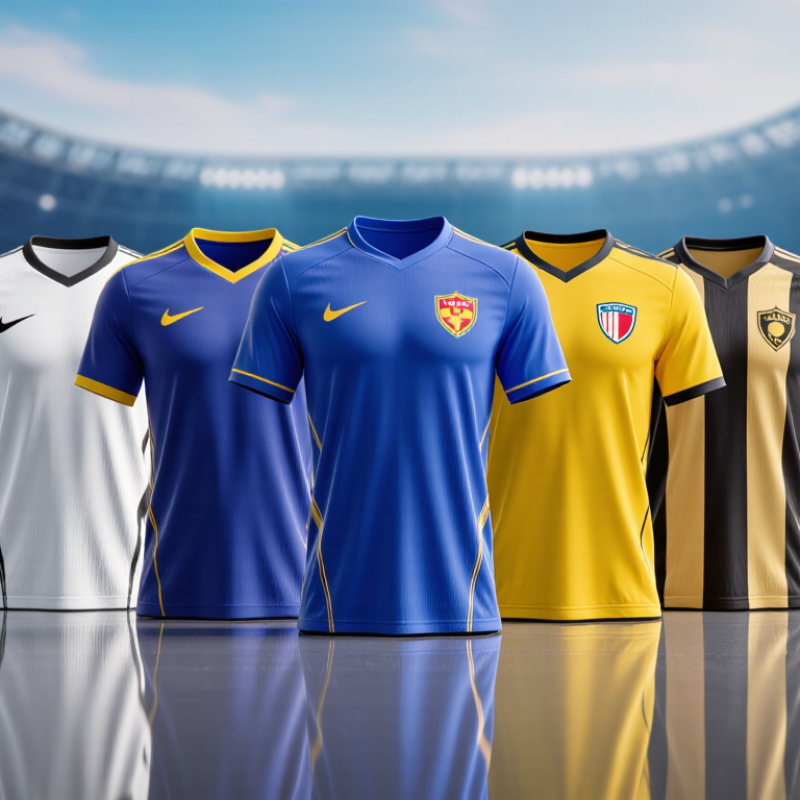
A popular soccer jersey must feel right before it looks impressive. Global buyers often check fabric weight, breathability, and stitching quality. In hot climates, quick-drying mesh can matter more than thick fabric. In colder regions, buyers may prefer a stronger layer for training and travel. I have handled many garments where the design looked excellent, but the collar lost shape after washing. That detail changed my view of quality.
Fit also drives international demand. Buyers want clear size charts, sleeve measurements, and honest product photos. A reliable jersey should match the listed measurements, not merely resemble a standard size. Loose cuts suit casual wear, while athletic cuts support movement on the pitch. Some buyers choose names and numbers connected to local football culture, family memories, or a favorite position. Others prefer clean designs without extra details. Both choices can be popular.
Color remains powerful, but comfort builds repeat trust. Durable prints, reinforced seams, and washable fabrics help buyers feel their money was well spent. Packaging should protect the jersey without creating unnecessary waste. Responsible shoppers may also ask about material sources and production conditions. These questions deserve clear answers, not vague promises. I still think many sellers overlook small flaws, such as scratchy labels or weak cuffs. Those issues seem minor online, yet they become obvious during a full ninety-minute match.
National-team jerseys lead global search interest, followed by club and retro designs. The results suggest that international identity, heritage, and recognizable visual design are key factors influencing jersey popularity among global buyers.
Data source: Google Trends, worldwide web-search interest for generic soccer-jersey categories, January–December 2025. Values are normalized on a 0–100 scale, where 100 represents the highest category interest.
Global buyers often seek jerseys linked to clubs with deep histories and visible playing identities. Real Madrid shirts attract fans through European success and clean white design. FC Barcelona jerseys remain popular for their bold colors and strong local culture. Manchester United also draws attention, especially from buyers who remember its dominant years. These choices are not purely about trophies. A shirt can recall a stadium, a player, or a childhood match.
National team jerseys carry a different emotional weight. Brazil’s yellow shirt is instantly recognizable and works well in casual outfits. Argentina’s striped design gained extra interest after recent international success. England appeals to buyers who prefer traditional football imagery and restrained colors. Japan and Morocco have also built strong demand through distinctive patterns and memorable tournament performances. Their shirts often feel less predictable.
From my buying experience, fabric quality matters as much as reputation. Check the stitching around the crest, the collar shape, and the size chart before ordering. Official versions usually feel lighter and fit closer to the body. Supporter versions often provide more room for daily wear. I once chose a famous shirt without checking measurements. It looked excellent online, but the sleeves felt too tight. That mistake still matters. Popularity can guide a purchase, but personal comfort, reliable sellers, and accurate product details deserve equal attention.
This editorial ranking uses transparent, non-commercial indicators: historic international success, recent competitive performance, global supporter recognition, and the cultural visibility of iconic players. It is not a jersey-sales ranking.
| Rank | Club or National Team | Category | Region | Key Competitive Record | Recent Major Achievement | Why the Jersey Is Highly Sought After | Best Buyer Appeal |
|---|---|---|---|---|---|---|---|
| 1 | Argentina National Team | South America | CONMEBOL | Three FIFA World Cup titles: 1978, 1986, and 2022 | 2022 FIFA World Cup champion | The famous sky-blue-and-white design combines World Cup history with the modern legacy of Lionel Messi. | Collectors, national-team supporters, and fans of World Cup history |
| 2 | Real Madrid Club | Europe | UEFA | Record 15 European Cup and UEFA Champions League titles through 2024 | 2024 UEFA Champions League winner | Its all-white identity is linked to the most successful record in European club football and a worldwide supporter base. | Champions League followers and classic club-football collectors |
| 3 | Brazil National Team | South America | CONMEBOL | Record five FIFA World Cup titles: 1958, 1962, 1970, 1994, and 2002 | Most successful team in FIFA World Cup history | The distinctive yellow-and-green colors are instantly recognizable and associated with attacking football legends. | Heritage buyers and fans of iconic international football |
| 4 | FC Barcelona Club | Europe | UEFA | Five UEFA Champions League titles through 2015 | 2024 La Liga runner-up | The blue-and-red stripes are strongly associated with a distinctive playing philosophy and generations of celebrated players. | Supporters of technical football, youth development, and club culture |
| 5 | France National Team | Europe | UEFA | Two FIFA World Cup titles: 1998 and 2018 | 2022 FIFA World Cup runner-up | The blue national colors represent two modern World Cup victories and a strong tradition of elite attacking players. | Fans of modern international football and tournament finalists |
| 6 | Manchester United Club | Europe | UEFA | Three UEFA Champions League titles: 1968, 1999, and 2008 | 2024 FA Cup winner | The red home identity has a long association with English league success, European nights, and globally recognized players. | Premier League followers and supporters of historic English clubs |
| 7 | Germany National Team | Europe | UEFA | Four FIFA World Cup titles: 1954, 1974, 1990, and 2014 | 2014 FIFA World Cup champion | The restrained national design reflects one of the strongest long-term records in international football. | Traditionalists and collectors of historic World Cup jerseys |
| 8 | Liverpool Club | Europe | UEFA | Six UEFA Champions League titles through 2019 | 2024 UEFA Europa League quarter-finalist | The red shirt is connected with a strong European record, a distinctive supporter culture, and memorable continental campaigns. | European club-football fans and supporters of historic English teams |
| 9 | Italy National Team | Europe | UEFA | Four FIFA World Cup titles: 1934, 1938, 1982, and 2006 | 2020 UEFA European Championship winner | The blue shirt has a deep association with tactical tradition, four World Cup triumphs, and European championship success. | Fans of classic international football and tournament history |
| 10 | Bayern Munich Club | Europe | UEFA | Six UEFA Champions League titles through 2020 | 2024 Bundesliga runner-up | The red-and-white identity is supported by sustained domestic dominance and repeated success in Europe. | Supporters of German football and consistent high-performance clubs |
| 11 | Spain National Team | Europe | UEFA | One FIFA World Cup title and three UEFA European Championship titles | 2023 UEFA Nations League winner | The red national colors are tied to a historic period that included the 2008 and 2012 European titles and the 2010 World Cup. | Fans of possession-based football and international tournaments |
| 12 | Portugal National Team | Europe | UEFA | One UEFA European Championship title and one UEFA Nations League title | 2019 UEFA Nations League winner | The red-and-green design benefits from Portugal’s recent international success and the worldwide appeal of Cristiano Ronaldo. | Fans of star players and contemporary international football |
Data reference: FIFA World Cup records, UEFA competition records, CONMEBOL competition records, and official club and national-team historical records. Competitive achievements are stated through June 2024.
Global buyers often compare soccer jerseys by touching fabric, checking seams, and studying photos before ordering. A reliable jersey should feel light, breathable, and stable after washing. I look for even stitching around the collar, sleeve edges, and printed numbers. Loose threads are warning signs. Weight can mislead. A heavier shirt is not automatically better; climate and fit change the buying experience. I learned this after choosing attractive shirts that felt uncomfortable during long matches.
Design comparison starts with color accuracy, crest placement, typography, and balanced printed details. Buyers should compare product photos under natural light, since screens can distort red and blue. Good design feels intentional, not crowded. Check the size chart. Measurements vary between factories, and a medium may fit like a small. I measure a favorite shirt across the chest, then compare those numbers.
Authenticity requires more than a polished listing. Look for clear manufacturing details, consistent labels, secure packaging, and verifiable seller information. A code or tag helps, but neither proves everything. Independent reviews with close-up images offer stronger evidence than vague promises. Price should match materials, construction, and seller transparency, not just popularity. Ask about return terms, washing instructions, and delivery conditions before paying. These details reveal professionalism. I still question my judgment when a bargain looks perfect. One missed seam can matter more than a dramatic photograph. For global buyers, language, import rules, and payment protection also affect trust.
For global buyers, the best soccer jersey begins with an accurate fit, not a famous label. Measure your chest, waist, and sleeve length over a light shirt. Compare those numbers with the seller’s chart. Do not assume a medium fits the same everywhere. Asian, European, and North American sizing can differ noticeably. Measure twice.
A regular fit suits match viewing and casual wear. A slim cut feels closer to the body but may restrict movement after washing. Buyers who prefer layering should choose one size larger, especially in colder regions. Children need extra care because growth changes fit quickly. A slightly longer back panel can improve comfort while standing or walking.
Material matters across climates. Lightweight polyester dries quickly in humid cities and handles repeated washing well. Mesh panels can improve airflow, but rough seams may irritate sensitive skin. In cooler weather, a thicker fabric works better over a base layer. Check washing instructions before buying; high heat can shrink or distort some garments. I once selected a jersey by chest size alone, then found the sleeves too short. That mistake still matters. Size charts are useful, but customer measurements and recent reviews often reveal more. Reliable sellers should explain fabric weight, stretch, care instructions, and measurement tolerances clearly.
Global buyers should choose soccer jerseys through trustworthy sellers, not attractive prices alone.
Look for clear business details, secure checkout, and a published return policy. A reliable store explains fabric, sizing, shipping times, and import duties before payment. It should also identify whether each jersey is officially licensed or independently produced. This distinction matters.
Study product photographs carefully. Check stitching around the badge, sleeve edges, collar, and printed numbers. Real customer reviews should include varied photos, dates, and useful sizing comments. Generic praise is weak evidence.
Use a payment method with buyer protection, especially when ordering across borders. Avoid sellers requesting unusual transfers or personal information unrelated to delivery. A locked website helps, but it does not prove honesty.
Tips:
Compare measurements with a shirt you already own. Review the refund process before ordering. Confirm the final cost, including taxes and delivery fees. Save invoices, messages, and tracking details. Contact customer support with one practical question; vague replies reveal problems quickly. I would also order one item before placing a large group purchase. It costs more time, but it exposes fabric, fit, and service quality. Even careful buyers can miss a small detail, such as regional sizing or non-returnable custom printing. That mistake is annoying, yet it can be prevented with slower checking.