What Are the Top Types of Felt Hats for Men in 2026?
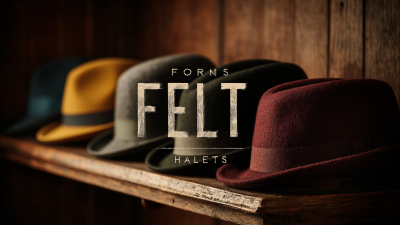
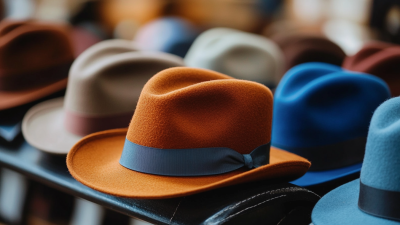
Felt Hats For Men remain appealing because they combine structure, warmth, and a distinct silhouette. In 2026, the most recognizable options include the fedora, western hat, trilby, homburg, pork pie, and bowler. Each creates a different impression. A broad-brimmed western hat feels practical and bold, while a compact pork pie brings a sharper, more understated profile. Small details matter. Crown height, brim width, felt density, and fit can change how a hat looks and feels.
British milliner Stephen Jones has described a hat as “a flag.” That image captures its power: a hat can signal personal style before a person speaks. This guide compares classic shapes and explains what to consider when choosing one, including wool felt versus fur felt, seasonal use, comfort, and care. A hat that looks excellent on a display stand may feel awkward after an hour outdoors. I would not treat a popular silhouette as a universal best choice. Face shape and wardrobe matter, but so does honest comfort. There is no perfect formula. A slightly imperfect fit can be more noticeable than a fashionable crown. The sections ahead offer practical ways to assess construction, proportion, and versatility, so readers can choose a felt hat that suits real wear, not just a photograph.
How Are Men’s Felt Hats Classified by Shape and Structure?
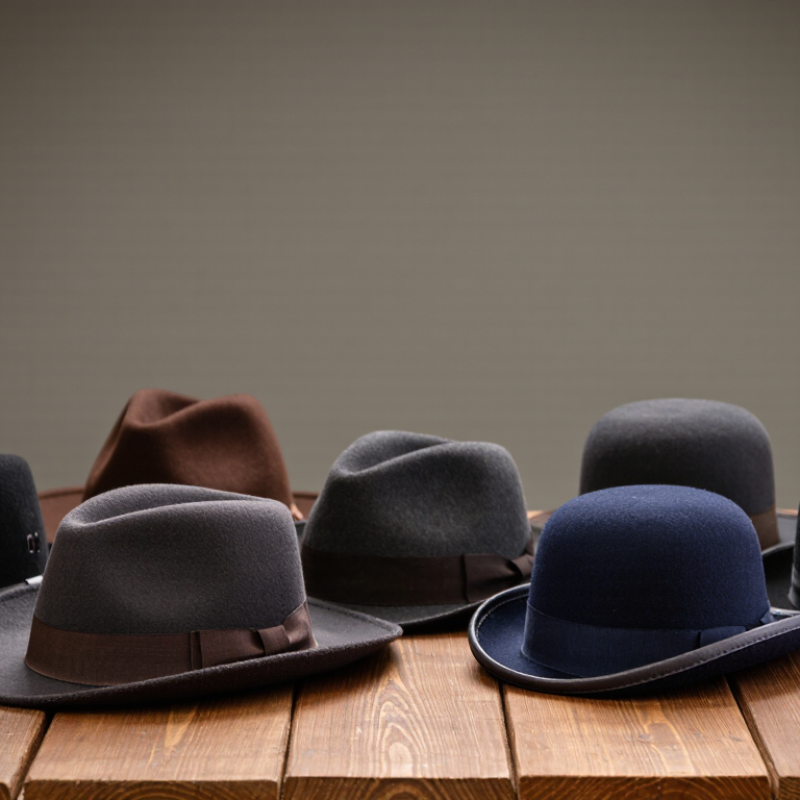
Men’s felt hats are often classified by crown shape, brim profile, and overall structure. A fedora usually has a creased crown and a brim that can turn slightly upward at the back. A trilby has a similar profile, but its brim is typically narrower. The homburg’s firm brim curls upward along both sides, creating a more formal outline. Small differences matter. A narrow brim can look unbalanced on a broad face, while a taller crown may suit someone with a longer profile.
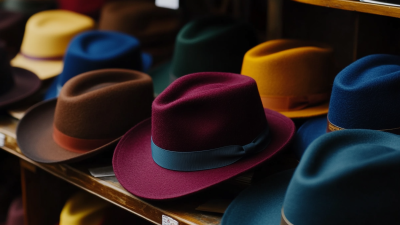
Crown details change the hat’s character. A center dent gives a familiar, versatile shape; a teardrop crease narrows toward the front; and a telescope crown has a flatter top. Pork pie hats pair that flatter crown with a short, often upturned brim. Some hats keep a crisp, shaped form, while softer felt styles bend more easily and feel relaxed. Felt density and internal stiffening affect how well a crease holds. Still, labels are not always consistent between makers.
Tips: Check the brim from the side and front. It should sit evenly, without pulling down over your eyes. Gently handle the crown; if its shape collapses too easily, it may need careful storage. Fit matters more than the name. A hat that feels slightly tight in the shop may become uncomfortable after an hour, so take time to assess it.
Top Types of Men’s Felt Hats in 2026: Shape and Structure
A comparison of typical crown and brim features. A value of 1 means the feature is characteristic of the classic style; 0 means it is not a defining feature. Designs vary between individual hats.
Fedoras and trilbies are commonly recognized by pinched, creased crowns; homburgs by a center-dent crown and curled brim; bowlers by a rounded crown; pork pie hats by a flat crown; and Western hats by an upturned brim. These are shape classifications, not rankings of popularity.
Why Is the Fedora a Leading Felt Hat Style in 2026?
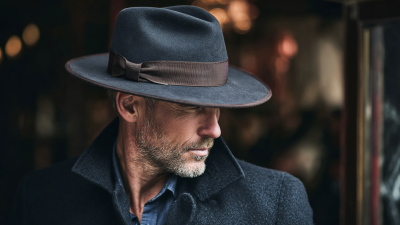
The fedora remains a leading felt hat style in 2026 because its shape balances character with everyday wearability. A pinched crown and brim that can be worn level or slightly turned give it a recognizable profile without making every outfit feel formal. It works with a wool coat, but can also sit comfortably beside a plain knit sweater and boots. That flexibility matters when one hat needs to serve several settings.
Felt choice changes the experience. Wool felt is often practical for regular use, while finer felt can feel smoother and hold a crisp shape. Check the brim from the side and front; small differences in width can alter how the hat frames the face. Fit matters more than a dramatic crease. The band should feel secure without pressing at the temples, and the crown should leave a little room above the head. Too tight is distracting.
A fedora is not automatically flattering. Face shape, hairstyle, and personal comfort all affect the result, and a tall crown may feel awkward at first. Try it with the clothes you actually wear. Look closely. Felt can collect dust, so a soft brush and careful storage help preserve its finish; avoid crushing the brim in a crowded bag.
What Defines a Cowboy or Western Felt Hat?
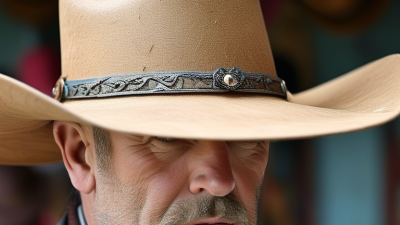
A cowboy or Western felt hat is defined by a shaped crown, a broad brim, and felt firm enough to hold its form. Pinched-front, cattleman, and open crowns are common, while brim edges may be gently rolled or sharply turned. These features create a recognizable profile, but they also affect shade and fit. A curved brim can shade the face and neck. A creased crown helps the hat sit securely. Fit matters. Measure head circumference and check that the sweatband rests evenly, without pressure at the temples. Wool felt is often a more accessible choice; fur felt can offer a finer feel and hold crisp shaping, depending on its construction.
Textile Exchange’s Materials Market Report 2024 estimates that wool made up about 0.9% of global fiber production in 2023. That figure covers all wool uses, not hat sales, so it should not be treated as a measure of Western-hat demand.
When comparing hats, inspect the felt edge, crown, brim, and sweatband rather than relying on the silhouette alone. Ask whether the brim can be reshaped, since heat and handling may change its curve. A perfectly even crease is not essential. Personal preference matters, and some hats look better with small asymmetries.
How Do Trilby, Homburg, and Bowler Hats Differ?
A trilby usually has a relatively short brim, often turned up at the back, with a pinched crown. It feels lighter and less formal than the other two. A Homburg is more structured: look for its center-dented crown and brim turned up all around. A bowler has a rounded, firm crown and a narrow, curled brim. The silhouette is unmistakable. Small detail. Big effect.
Felt quality affects how these shapes hold up. Textile Exchange’s Materials Market Report 2024 estimates that wool made up about 1% of global fiber production in 2023. That figure covers fibers, not hat sales, but it gives useful context: wool felt is one material choice among many. When comparing hats, check whether the felt feels dense and resilient, and whether the brim keeps its shape after gentle handling. A stiff bowler and a soft trilby should not be judged by the same standard.
Choose by proportion as well as tradition. A trilby’s short brim can look sharp with a neat jacket, but may feel too small on a broad face. The Homburg’s raised brim gives it a dressier outline; the bowler’s round crown adds visual height. Try each with your usual coat. Photographs flatten these differences, and a hat that looks right online may sit awkwardly in real life.
How Should Men Choose a Felt Hat for Their Needs?
Choosing a felt hat starts with where and how you will wear it. For daily errands, a moderate brim is easier to manage around doorways and in crowded spaces. A wider brim offers more shade outdoors, but can feel awkward in wind. Felt varies in warmth and weather resistance, so check the maker’s care guidance rather than assuming every hat handles rain alike. Climate matters. In mild weather, a lighter construction may feel more comfortable; colder conditions can call for denser felt.
Fit comes first. The hat should sit level, feel secure, and leave no sharp pressure around your forehead. Test it indoors. Walk, turn your head, and see whether it shifts. A hat that feels snug in a shop may become uncomfortable after an hour, especially if your hair is thicker than usual. That detail is easy to overlook. Crown shape and brim proportions also affect appearance, but comfort is more useful than chasing a perfect match to a face-shape chart.
Think about upkeep before buying. Felt can collect dust, so a soft hat brush and careful storage help preserve its shape. Keep it away from direct heat, which may dry or distort the material. If you expect frequent exposure to wet conditions, ask how the specific felt should be cleaned and dried. I would not choose a hat based on appearance alone; even a handsome one can spend most of its life on a shelf.