Top 10 Felt Hat Styles for Every Occasion?

A Felt Hat can change the character of an outfit within seconds. Its soft texture, structured crown, and shaped brim offer warmth, polish, and personal expression. Yet choosing the right style is not always simple. A hat that looks elegant at a winter wedding may feel too formal at a weekend market.

This guide explores ten Felt Hat styles for different occasions, seasons, and wardrobes. You will find practical options for office wear, travel, outdoor gatherings, festivals, and relaxed daily outfits. Classic fedoras bring defined lines and balanced proportions. Wide-brim hats create drama, while trilbies offer a lighter, sharper profile. Cloche hats add vintage charm. Western-inspired designs provide character without demanding a full costume.

Details matter. Check the wool or fur-felt quality, stitching, crown shape, and brim finish before buying. A comfortable sweatband can matter more than a famous label. Fit should feel secure, never painfully tight. Face shape, height, hairstyle, and local weather also influence the best choice. These points are easy to overlook.

Personal experience often proves more useful than trend reports. A hat may photograph beautifully but lose its shape in rain or feel heavy after an hour. I have found that versatile colors, such as charcoal, camel, and deep brown, earn more regular wear. Still, no single rule works for everyone. Style involves a little testing, occasional mistakes, and honest reflection. The goal is not to own every design, but to discover which Felt Hat feels natural in real life.
Top 10 Felt Hat Styles for Every Occasion?

Understanding Felt Hats and Their Essential Features

A felt hat is more than a decorative shape. Its material, structure, and fit determine how comfortably it works in real life. Wool felt feels warm and flexible, while dense fur felt usually offers a smoother finish and stronger shape retention. The best choice depends on climate, use, and personal comfort.

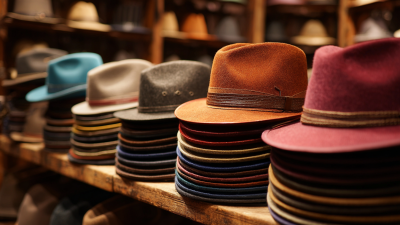
The styles

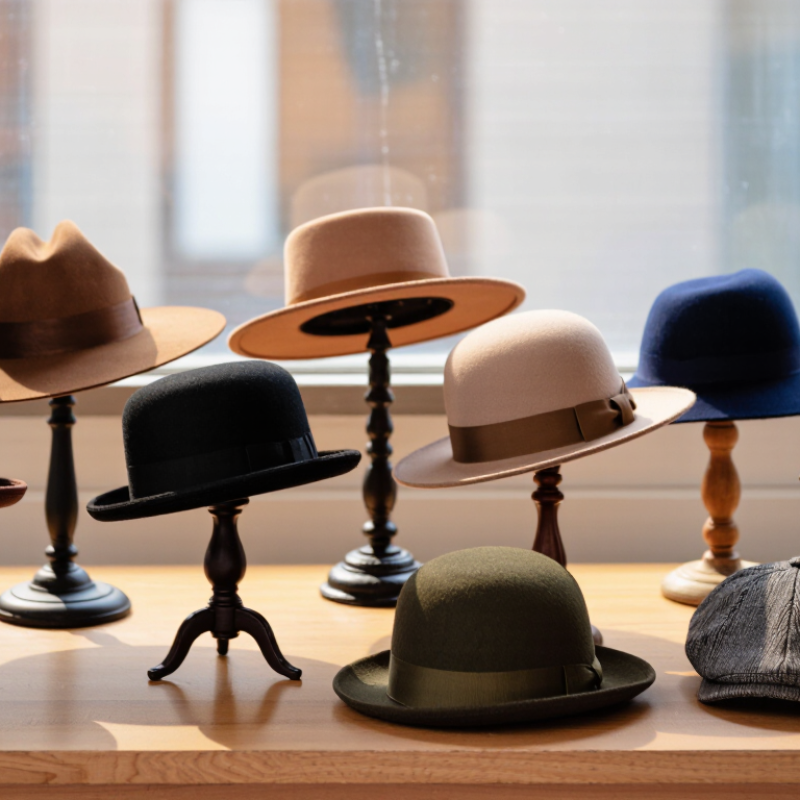
The classic fedora suits travel, dinners, and mild office wear.

A trilby has a shorter brim and feels lighter for casual afternoons.

The homburg looks formal, especially with tailored clothing.

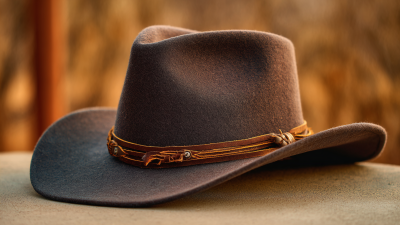
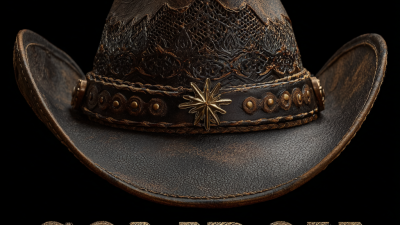
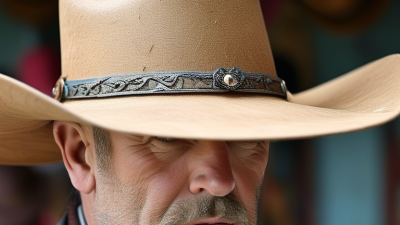
Western and outback styles provide broader sun coverage.

A pork pie has a compact crown for relaxed city outfits.

The bowler brings a firm, rounded profile.

A cloche frames the face and works well with vintage-inspired clothing.

Wide-brim styles protect the neck, while safari shapes feel practical outdoors.

A simple felt cap can suit everyday errands.

Pay attention to the crown, brim width, and edge finish.

A firm crown should keep its form without feeling rigid against your head. The brim should cast useful shade but remain balanced when walking. A soft sweatband helps prevent pressure and absorbs moisture. Check the lining for loose stitching. Small details matter.

Felt can resist light drizzle, but it is not automatically waterproof. Let a damp hat dry naturally, away from direct heat.

I once dried one near a heater and slightly warped the brim. That mistake still influences how I care for felt hats.

Store the hat on its crown or a proper support, and brush dust gently with the felt’s direction.

How Occasion and Dress Code Shape Felt Hat Choices

Top 10 Felt Hat Styles for Every Occasion?
How Occasion and Dress Code Shape Felt Hat Choices

A felt hat is more than warm fabric on the head. Its crown, brim, color, and finish communicate setting. The ten most adaptable choices include the fedora, trilby, homburg, cloche, pork pie, bowler, western hat, floppy hat, pillbox, and felted boater. A soft fedora suits a wool coat and a gallery visit. A homburg feels more formal with a dark suit. A wide-brim western style needs outdoor space. It can overwhelm a small room.

Dress codes require careful reading. Choose a low-contrast trilby or restrained fedora for business-casual meetings. Keep the brim moderate and the edge clean. A cloche or compact dress hat can suit an outdoor wedding. Remove it during the ceremony when venue etiquette requests it. Black tie is stricter. A felt hat may work during travel, but not automatically indoors. That distinction is often missed.

The Business Research Company’s Headwear Global Market Report 2024 valued the broader headwear market at about US$17.8 billion in 2023. Grand View Research also identifies fashion and seasonal protection as major demand drivers. These figures include more than felt, so they cannot predict every style’s performance. Still, they show why occasion-led selection matters. I test hats with the full outfit, natural light, and a coat. Mirror checks are imperfect. A brim that looks elegant online may block a companion’s view at dinner.

Exploring 10 Felt Hat Styles for Different Occasions

Felt hats can change the feeling of an outfit, but the occasion should guide the choice. A structured fedora suits commuting, gallery visits, and smart dinners. Its pinched crown adds definition without looking overly formal. A trilby works for relaxed city wear, especially with a light jacket and clean shoes. The pork pie feels playful at concerts or casual gatherings. Keep the brim balanced with your face. I once chose one too narrow, and it made my features look crowded. A cloche offers a soft, vintage character for garden events or daytime celebrations. Its rounded shape pairs well with simple dresses and low heels. For outdoor ceremonies, a wide-brim felt hat provides visual drama and useful shade. Still, wind can turn elegance into inconvenience.

A bowler brings a distinctive, polished note to theatrical events or creative offices. A homburg looks more formal and controlled, making it suitable for evening receptions. Western-inspired felt hats suit rural visits, outdoor festivals, and durable travel outfits. They need confident styling, or the costume effect can become distracting. A felt beret works for cafés, museums, and cool-weather walks. Wear it slightly angled, not tightly flattened against the head. The top hat belongs to rare formal occasions, where traditional dress expectations are clear. Comfort matters across all ten styles. Check the inner band, crown height, and pressure around your temples. Natural fibers may soften with wear, but shape can still change in damp weather. Hat etiquette also varies by setting, so observe the room before keeping it on.

Choosing the Right Felt, Color, Fit, and Brim

Top 10 Felt Hat Styles for Every Occasion?

Choosing a felt hat starts with the fiber. Wool felt offers warmth, shape retention, and useful moisture control. IWTO reports that global wool production remains close to one million tonnes annually. That scale supports wool’s continued use in structured headwear. Fur felt can feel smoother and hold sharper edges, but quality varies widely. A practical wardrobe can include a fedora, trilby, pork pie, cloche, homburg, bowler, western hat, campaign hat, wide-brim hat, and boater. Not every style suits every face.

Color should match your real routine, not an imagined lifestyle. Charcoal and brown work across offices, travel, and cooler seasons. Olive or rust adds character without shouting. Fortune Business Insights valued the global headwear market at about 26.5 billion dollars in 2023. That growth reflects demand for both function and personal expression. Still, market growth does not guarantee good design. Cheap dye can look uneven under bright light.

Fit matters more than the size label. Measure around your head, above the ears, with a soft tape. The sweatband should touch gently, never leave a deep mark. A narrow brim sharpens compact features, while a wider brim balances a longer face. Try the hat with your usual hairstyle. Small details matter. Tilt it slightly, then check the crown from the side. I sometimes prefer a less “perfect” fit for comfort, although that choice can weaken the silhouette. Felt also needs seasonal judgment: heavy wool feels excellent in winter, but uncomfortable on a crowded summer street.

Top 10 Felt Hat Styles for Every Occasion? - Choosing the Right Felt, Color, Fit, and Brim

Hat Style Best Occasions Recommended Felt Suitable Colors Fit and Crown Notes Typical Brim Weather Practicality
Classic Fedora Business wear, smart-casual outfits, dinners, and travel Firm wool felt for value; fur felt for a smoother finish and better shape retention Charcoal, navy, medium brown, camel, or black Medium to tall center-dent crown; should sit level above the ears without pressure 6–8 cm, often with a modest front and back dip Good for light rain when treated and dried correctly; avoid prolonged soaking
Trilby Casual events, concerts, daytime social gatherings, and modern city outfits Lightweight wool felt or soft fur felt Olive, rust, gray, tobacco, and dark blue Tapered crown with a shorter profile; choose a secure fit because the narrow brim offers less protection from wind 4–6 cm with a sharply turned-down front Best in dry or mildly damp conditions; less protective than a wider-brim style
Homburg Formal business clothing, ceremonies, evening events, and tailored suits Dense fur felt for a polished finish and defined center crease Black, charcoal, deep navy, or dark brown Firm oval or center-creased crown; fit should be snug but allow comfortable movement 6–7 cm with a distinctly raised edge Handles cool weather well; a protective finish improves resistance to light rain
Pork Pie Creative workplaces, casual dinners, music events, and relaxed weekend wear Soft wool felt for an informal look; firmer felt for a crisp, flat crown Burgundy, forest green, sand, gray, and chocolate brown Short, flat-topped crown with a central indentation; avoid a tight fit around the temples 4–5 cm, usually narrow and level Suitable for dry, cool weather; limited coverage in heavy rain or strong sun
Western Rancher Outdoor work, country events, riding, festivals, and rugged casual outfits Stiff wool felt for everyday wear; durable fur felt for improved shape retention Sand, tan, black, gray, and warm brown High crown with a defined crease; select a firm sweatband and secure fit for active use 8–10 cm with a rolled, bound, or shaped edge Very good sun and wind coverage; water resistance depends on felt treatment
Bowler or Derby Heritage outfits, themed events, formal daywear, and fashion styling Firm molded wool or fur felt to maintain the rounded dome Black, dark brown, charcoal, or muted gray Rounded crown with a close-fitting profile; measure carefully because the shape cannot be adjusted much 5–6 cm with a rounded, curled edge Moderate protection from cool weather and light precipitation
Cloche Winter city wear, vintage-inspired outfits, garden gatherings, and dressy daytime occasions Soft wool felt or pliable fur felt that can follow the head closely Cream, burgundy, slate blue, moss green, and soft brown Bell-shaped crown that frames the head; choose enough room for hair volume without sliding over the eyes 4–7 cm, often sloping downward around the face Provides warmth and some drizzle protection; not designed for severe weather
Wide-Brim Floppy Resort wear, outdoor lunches, festivals, travel, and relaxed autumn styling Soft wool felt for a flexible drape; lightweight fur felt for better recovery Oatmeal, camel, cream, rust, and dark olive Low or medium crown with a relaxed shape; use an inner adjustment band if the brim moves in wind 9–12 cm with a softly curved edge Excellent shade coverage; wide felt brims may lose shape when saturated
Safari or Outback Felt Hat Hiking, travel, outdoor photography, camping, and practical everyday wear Dense treated wool felt or durable fur felt with a structured brim Khaki, stone, tobacco, dark green, and weathered gray Moderate to high crown with ventilation-friendly construction; fit should remain stable during movement 7–9 cm, usually level or slightly upswept Good all-purpose coverage; treated felt performs better in damp and windy conditions
Felt Boater Garden parties, daytime ceremonies, theatrical styling, and seasonal events Firm pressed wool felt with enough stiffness to hold a flat crown and brim Ivory, light gray, navy, burgundy, and chocolate brown Flat-topped crown with a stable fit; the hat should sit securely without compressing the forehead 6–8 cm, flat and level Primarily a style-focused option; use only in light, dry conditions

Fit guide: Measure around the head approximately 1 cm above the eyebrows and ears. A properly fitted felt hat should feel secure without leaving pressure marks, and the brim should complement the wearer’s face shape and intended level of sun protection.

Caring for Felt Hats to Preserve Their Shape and Finish

A felt hat keeps its character when its fibers stay clean, dry, and evenly supported. After wearing it, lift it by the brim, not the crown. This small habit prevents gradual distortion. Brush away dust with a soft hat brush, moving in one direction. A clean makeup brush can work in a pinch. I have used one during travel, although it never feels quite as effective.

Moisture needs careful handling. If rain dampens the felt, shake off excess water and let the hat dry naturally at room temperature. Keep it away from radiators, hair dryers, and strong sunlight. Heat can shrink the fibers or twist the brim. Stuff the crown loosely with unprinted paper to maintain its shape. Avoid overfilling it. Pressure can create a strange ridge inside the crown.

For minor dents, gentle steam may relax the felt. Hold the hat above steam briefly, then reshape it with clean hands. Do not soak the material. A wooden hat block gives more consistent results, but careful hand shaping can also work. Store the hat upside down on its crown or place it in a firm box with space around the brim. Never stack heavy objects on top. Brush marks, uneven pressure, and rushed drying are easy mistakes. I still catch myself storing a hat too quickly after wearing it. That habit deserves correction.

Top 10 Felt Hat Styles for Every Occasion

Versatility ratings reflect practical use across formal, casual, outdoor, and seasonal occasions. Proper brushing, careful storage, and protection from moisture help preserve a felt hat’s shape and finish.

Care note: Brush felt gently with a soft hat brush, allow moisture to dry naturally, and store the hat on a flat surface or hat form. Avoid crushing the crown or exposing the felt to direct heat.