
7 Tips for Buying Canvas Tote Bags in Bulk

Buying Canvas Tote Bags in bulk can help businesses, event teams, and retailers manage costs while keeping a useful product on hand. Yet a low unit price does not tell the whole story. Fabric weight, handle length, stitching, print quality, and delivery timing can all affect whether an order meets its purpose.

A tote that looks sturdy in a product photo may feel thin when loaded with catalogs or groceries. Ask for clear specifications, such as material weight, bag dimensions, and handle construction. If possible, request a sample before committing to a large quantity. Check the seams, inspect the print, and test how the handles feel in use. Small details matter.

This guide covers seven practical considerations, from setting a realistic budget to checking supplier communication and planning for shipping. It also looks at customization choices, order quantities, and quality checks that can prevent avoidable surprises. The best choice depends on how the bags will be used, not just how they look on a screen. There is no perfect tote for every order. Even careful planning can miss something, so leave room to review your requirements before approving production. A few direct questions early on may save time, money, and disappointment later.
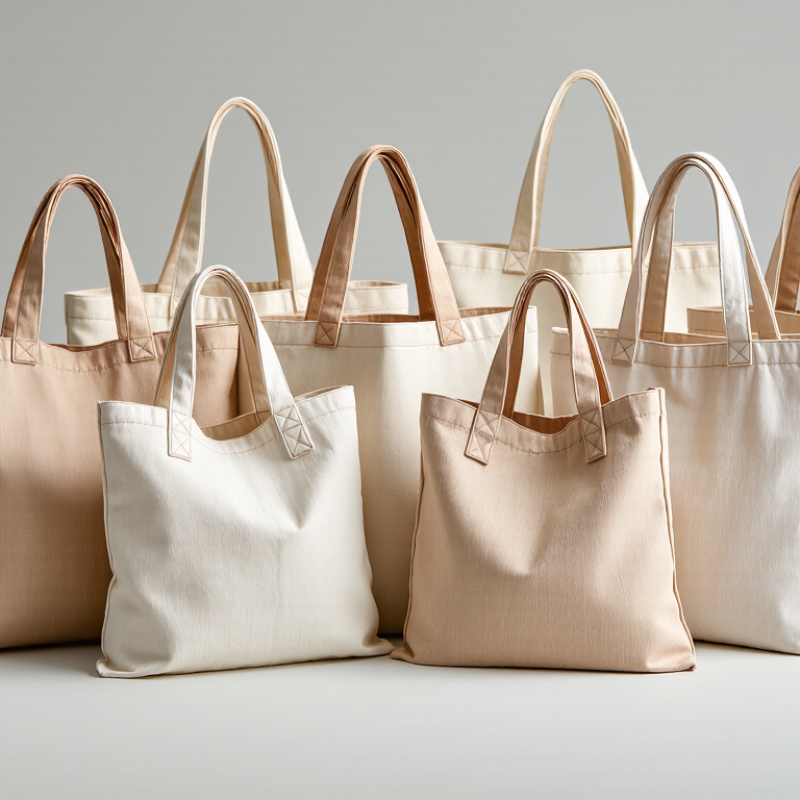
7 Tips for Buying Canvas Tote Bags in Bulk

Define Your Needs, Quantity, and Intended Use

Before requesting quotes, define who will carry the bags and what they will hold. A conference attendee carrying a notebook needs different dimensions from a shopper carrying groceries. Note the expected load, handle length, preferred color, and whether bags need pockets or printed artwork. Check a physical sample, if possible. A bag that looks roomy online may feel awkward when filled.

Estimate quantities from confirmed recipients, not total foot traffic. Separate staff, guests, and backup stock; a large buffer can leave you with boxes of unused bags. Textile Exchange’s 2024 Materials Market Report estimates global fiber production reached 124 million tonnes in 2023. That figure covers all fibers, not tote bags, but it makes material specifications worth documenting. The U.S. EPA’s 2018 waste report counted 17 million tons of textiles in municipal solid waste. Just 2.5 million tons were recycled. These figures do not measure tote-bag waste specifically, yet they support careful purchasing. Specify canvas weight, dimensions, and intended use before comparing quotes. A lighter bag may suit event handouts; heavier contents call for sturdier construction. I would still test the seams under a realistic load. Small details matter.

7 Tips for Buying Canvas Tote Bags in Bulk - Define Your Needs, Quantity, and Intended Use

Tip What to Define Practical Planning Guidance Questions to Ask Before Ordering
1. Identify the intended use Event giveaways, retail sales, staff kits, or everyday shopping Match the bag’s size, construction, and features to what recipients will carry. A simple lightweight bag may suit handouts; heavier items call for sturdier fabric and handles. What will the bag carry? Will it be used once, occasionally, or regularly?
2. Estimate the order quantity Expected recipients, sales volume, and a reasonable reserve Start with the confirmed audience or forecast, then account for late additions and replacements. Quantity breaks vary by supplier, so compare the total delivered cost at each available tier. What is the minimum order? Do setup costs or unit costs change at different quantities?
3. Choose suitable dimensions Bag width, height, depth, and handle drop Compare listed measurements with the items the bag needs to hold. A gusset adds depth; handle drop determines whether the bag can be carried by hand or over the shoulder. Are measurements taken flat? Is the handle drop stated separately from the bag height?
4. Select fabric weight and construction Canvas weight, seams, stitching, and reinforcement Fabric weight is often listed in ounces per square yard or grams per square metre. Weight alone does not establish load capacity; check seams, handle attachment, and any tested capacity information. What is the fabric weight? Are stress points reinforced? Is a load rating or test method available?
5. Check material and care details Fiber content, finish, color, and care instructions Confirm whether the fabric is cotton, a blend, or another material, and check whether the finish affects printing or cleaning. Care guidance can vary by fabric, dye, and decoration method. What is the exact fiber content? Are washing or spot-cleaning instructions provided?
6. Plan decoration around the design Print area, number of colors, placement, and artwork format Request a printable-area diagram or proof. Large, detailed, or multi-color designs may require different production methods and can affect cost, lead time, and minimum quantities. What file formats are accepted? Are setup charges, proofs, or placement limits involved?
7. Confirm timing and total delivered cost Production schedule, shipping, packaging, and destination Compare the full order cost, including decoration, setup, freight, taxes where applicable, and any rush charges. Allow time for sample review, proof approval, production, and transit. What is the estimated ship date? What costs are excluded from the quoted unit price?

Planning note: Specifications, minimum quantities, production times, and costs vary by supplier and order details. Confirm them in writing before placing a bulk order.

Compare Canvas Materials, Sizes, and Customization Options

Canvas weight affects how a tote feels and how long it holds its shape. Lightweight cotton canvas folds easily and suits event handouts or simple shopping trips. Heavier canvas feels sturdier, but adds cost and can make a full bag tiring to carry. Check the fabric weight, stitching, and handle attachment before ordering. A thick fabric alone does not guarantee durable construction. Worth checking.

Choose dimensions based on what people will actually carry. A compact tote may fit a notebook and water bottle, while a wider gusset helps with groceries or folded clothing. Compare the listed measurements with a familiar bag, since product photos can make proportions hard to judge. Handle drop matters, too: short handles may not sit comfortably over a coat sleeve. Measure twice.

Customization choices can change both appearance and production details. A single-color print is often clearer on textured canvas than small, intricate artwork. Embroidery adds texture, though fine lettering may lose definition. Ask for a proof showing the design at its actual size, and confirm whether printing covers one or both sides. If timing allows, request a sample. It can reveal surprises, such as a shade of natural canvas that looks warmer than expected.

Check Supplier Reliability and Request Product Samples

Tip: Check supplier reliability before comparing prices. Ask how long the supplier has produced tote bags, what monthly capacity is available, and whether recent buyers can provide references. Request written specifications for fabric weight, handle stitching, print method, lead time, and defect remedies. A polished website is not proof. Check that the answers match the quotation and order terms.

McKinsey Global Institute’s 2020 report, Risk, resilience, and rebalancing in global value chains, estimated that companies experience a supply-chain disruption lasting a month or longer every 3.7 years on average. For a bulk tote order, ask about backup production capacity and how delays are reported. Clear answers matter.

Tip: Request a preproduction sample made with the same fabric, handles, and printing method planned for your order. Check the seams by pulling gently, measure the bag, and load it with a few books. Look for loose threads, uneven printing, and handles that twist under weight. Small details matter. Approve the sample in writing and keep it as a reference for bulk production. A sample can still be better than the full run, so consider ordering a small first batch when timing and budget allow.

Calculate Bulk Pricing, Shipping Costs, and Lead Times

Before approving a canvas tote quote, calculate the landed cost per usable bag, not just the factory price. Add printing or embroidery, sample fees, packaging, freight, insurance, and any applicable import charges, then divide by the quantity delivered in sellable condition. A 5,000-piece order at $2 per bag is not a $10,000 purchase if shipping and setup add $2,000. That matters. The CSCMP 2024 State of Logistics Report estimated U.S. business logistics costs at $2.3 trillion in 2023, or 8.7% of GDP. Freight deserves its own line in your budget.

Ask suppliers to quote shipping options separately, with carton dimensions, gross weight, and delivery terms. A lower unit price can disappear when bulky cartons move by air. Small cartons help. Compare sea, air, and consolidated freight using the same delivery address and shipment volume. MHI’s 2024 Annual Industry Report found that 55% of surveyed supply chain professionals planned to increase investment in supply chain innovation. For buyers, clearer tracking and earlier schedule updates can make those investments practical—not just technical.

Get a written timeline covering artwork approval, sample production, bulk manufacturing, and transit. Build in time for revisions; a logo that looks crisp on screen may need adjustment on textured canvas. I still leave a buffer. Ask what happens if fabric availability, print approval, or carrier schedules shift, and request milestone dates rather than one broad “four-week” promise. Check the calendar against your event date, then set an internal deadline several days earlier. Forecasts are imperfect, and I have seen a small approval delay consume the spare days.

7 Tips for Buying Canvas Tote Bags in Bulk: Estimated Unit Costs

Compare quantities using the estimated tote price plus an illustrative shipping allowance. These planning figures assume a standard blank cotton canvas tote; actual quotes vary by bag size, fabric weight, customization, destination, and order timing.

Larger orders may reduce the item cost per bag, while shipping depends on shipment size and destination. Request a written quote that confirms production lead time, shipping method, and delivery date before placing an order.

Review Order Terms and Confirm Quality Standards

When buying canvas tote bags in bulk, review the order terms before approving a large run. Confirm the unit price, minimum quantity, payment schedule, production timeline, and shipping costs. Check what happens if delivery is delayed or the shipment arrives short. Ask whether artwork setup, custom colors, or individual packaging carry extra fees. Get it in writing.

Practical tips: Request a preproduction sample made with the same fabric weight, stitching, and printing method as the bulk order. Set measurable standards, such as bag dimensions, handle length, acceptable color variation, and print placement. Ask how defects are counted and whether replacements or credits are available. Small details matter.

A sample can still mislead if the final batch uses different materials or production settings. Ask for written confirmation that the approved specifications will apply to every bag. Inspect a few pieces from the delivered cartons, including seams, handles, and print edges. I might focus too much on fabric thickness and miss weak handle stitching. A simple inspection checklist helps keep quality checks consistent.