
How to Source Pink Clothing Donation Bins?
Sourcing Pink Clothing Donation Bins takes more than choosing a bright color. The bins must be easy to spot, simple to use, and sturdy enough for repeated outdoor handling. A faded pink lid, a sharp door edge, or a damp interior can undermine trust quickly. Before comparing suppliers, define the intended setting: a staffed charity site, a school, or a busy parking area. Each one brings different needs for capacity, access, weather protection, and collection frequency.
Ask suppliers for material specifications, dimensions, loading details, delivery timelines, and maintenance guidance. Request photos or a sample when possible. Inspect hinges, labels, openings, and drainage features—not just the painted surface. Pink finishes can vary across batches, so confirm the exact shade and how it holds up under sunlight and cleaning. A low quote may leave out freight, installation, or replacement parts. Check those costs in writing.
“Choose the bin for its daily use, then make the color work for the site.” This is an original editorial line, not a verified quotation from a named industry expert; no source article or expert citation was provided. A real expert’s name and quotation should be verified before publication. That gap matters. Good sourcing depends on evidence, not a polished claim. Compare suppliers against a written checklist, and record why the selected model fits the collection plan.
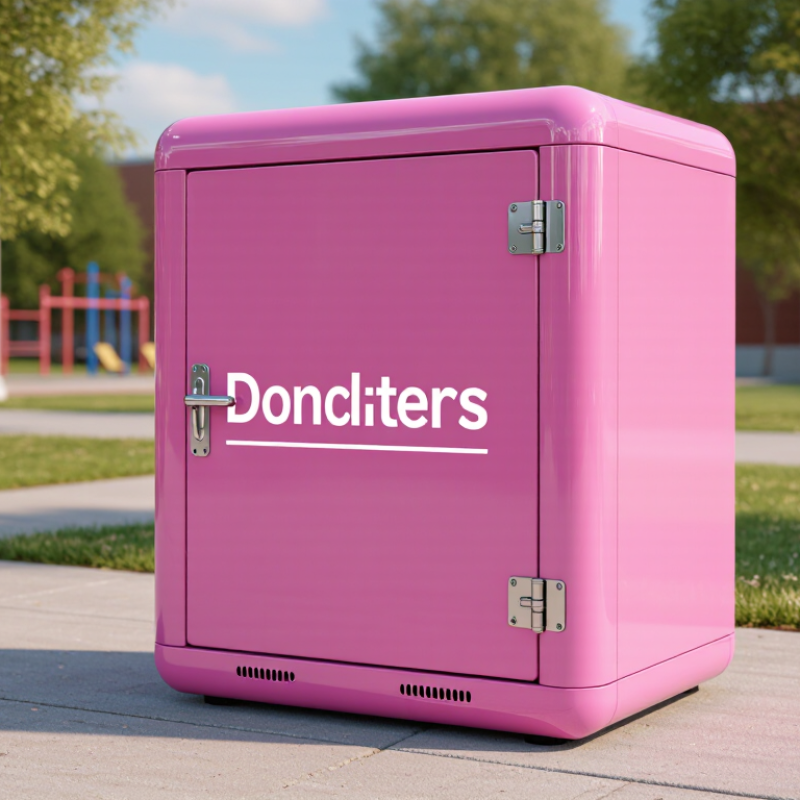
Define the Purpose and Requirements for Pink Clothing Donation Bins
Define the bin’s purpose before choosing its color, size, or loading style. Will it collect wearable garments for local reuse, support a sorting program, or gather textiles for fiber recovery? Keep the target explicit. The U.S. Environmental Protection Agency estimated that 17 million tons of textiles entered the U.S. waste stream in 2018, while 2.5 million tons were recycled (EPA, 2020). These figures describe the wider waste stream, not expected bin volumes. Textile Exchange reported global fiber production of 124 million tonnes in 2023, showing the scale of material flows (Materials Market Report, 2024).
Translate the purpose into practical requirements: accepted items, condition standards, collection frequency, and responsibility for sorting and transport. For reuse, signage should request clean, dry clothing and explain exclusions in plain language. For outdoor sites, check weather protection, anchoring, safe drop height, and pickup access. Pink can help a bin stand out, but test it at the actual location; pale pink may blend into a bright storefront or dim street. Set a fill-level schedule and contact number before installation. Small detail, often missed. Color alone may not change participation as much as expected. Track deposits and contamination for several weeks, then adjust placement or wording.
| Planning Dimension | Purpose | Requirement to Define | Practical Sourcing Check |
|---|---|---|---|
| Donation program purpose | Clarifies what the bin is intended to collect and how donations will be handled. | Specify whether the program accepts clothing only or also shoes, bags, and household textiles. Explain whether items are reused, resold, recycled, or otherwise distributed. | Request written confirmation of accepted items and the intended handling process before selecting a bin. |
| Color and identification | Makes the collection point easy to recognize and helps donors understand its purpose. | Choose a visible pink finish and provide clear, readable instructions. Do not imply that a color alone identifies a particular charity or guarantees a specific use for donations. | Review a color sample or product image, and check that the instructions remain legible against the chosen finish. |
| Location and permission | Ensures the bin can be placed and used safely at its intended site. | Confirm written permission from the property owner or site manager. Check local rules, planning requirements, and any fire, access, or public-space conditions that apply. | Measure the proposed site and access route; verify applicable requirements with the property manager and relevant local authority. |
| Capacity and collection frequency | Helps prevent overflow and keeps donations manageable between collections. | Estimate donation volume, available footprint, and collection schedule. Select capacity based on expected use rather than color or appearance alone. | Ask the supplier for the bin’s external dimensions and usable capacity, then compare them with site measurements and collection plans. |
| Construction and weather protection | Protects the bin and its contents during outdoor use. | Specify materials suitable for the site, a stable design, weather-resistant construction where needed, and a finish that can be maintained. | Request material and maintenance details; inspect the proposed design for exposed edges, water entry points, and stability considerations. |
| Donation opening and safe use | Allows intended items to be deposited while reducing misuse and handling hazards. | Define an opening suitable for the accepted donations and a design that avoids sharp edges and accessible pinch points. Provide clear instructions not to leave items outside the bin. | Review opening dimensions and access arrangements, and request product information on safe loading and emptying. |
| Security and access control | Helps protect donations and supports controlled emptying. | Decide whether a lockable access panel or other access control is needed, and identify who is authorized to empty the bin. | Confirm the locking arrangement, key or access process, and how collection staff can reach the bin without obstructing the site. |
| Signage and contact details | Reduces unsuitable donations and gives users a way to report a full or damaged bin. | State accepted items, any important restrictions, collection information where appropriate, and a contact method for site or service issues. | Request a proof of the sign and check its wording, contrast, readability, and resistance to outdoor conditions. |
| Delivery, installation, and servicing | Ensures the bin can be installed and maintained at the selected location. | Define delivery access, installation responsibility, anchoring needs if applicable, collection responsibilities, and a process for overflow or damage. | Obtain a written scope covering delivery, installation, routine servicing, and the response process for reported problems. |
| Supplier evaluation | Supports a fair comparison of suitable products and service arrangements. | Compare specifications, total cost, lead time, warranty terms, replacement parts, and relevant product documentation. | Use the same written requirements for each quotation and verify that quoted dimensions, finish, and included services match the requested specification. |