Top Poly Viscose Fabric Trends at 2026 Canton Fair?
As the 2026 Canton Fair approaches, the spotlight is on poly viscose fabric trends. Poly viscose has gained popularity due to its versatile applications and cost-effectiveness. Reports indicate that the global demand for poly viscose will rise steadily by over 5% annually.
The 139th Canton Fair will showcase advanced textiles alongside technological innovations. Buyers can explore vendors with AI-powered tools that enhance sourcing efficiency. Recent data highlights that poly viscose fabrics are becoming crucial in both fashion and home textiles, driven by increasing consumer preferences for sustainable materials.
However, challenges remain. While poly viscose offers great blending benefits, issues with fabric durability and pilling persist. Vendors must address these quality concerns to meet rising expectations. As we look ahead to the fair, the evolving landscape of poly viscose will surely present both opportunities and hurdles for industry stakeholders.
Emerging Colors and Patterns in Poly Viscose Fabrics for 2026
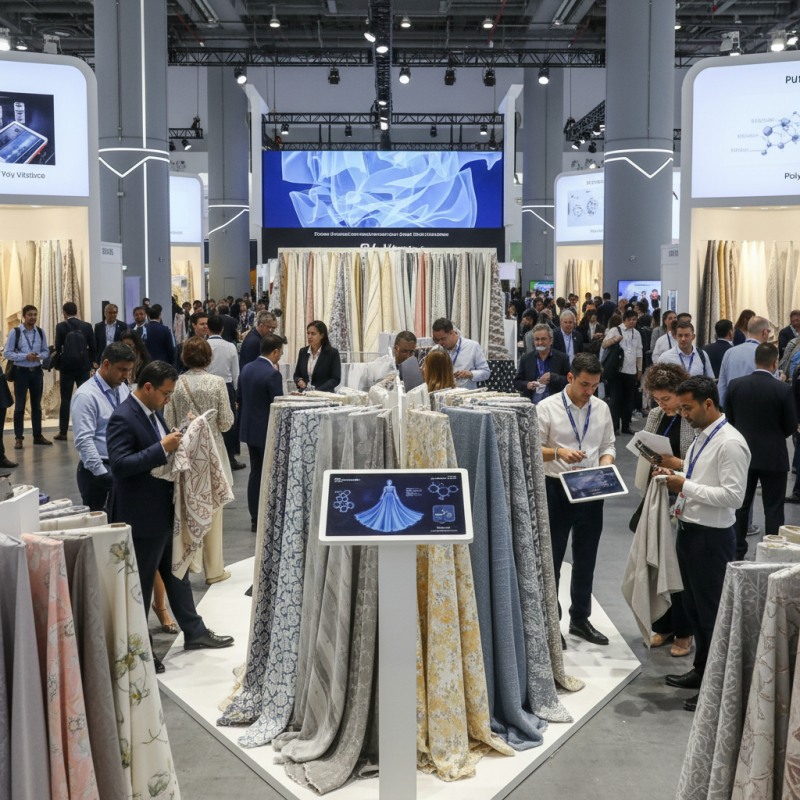
The 2026 Canton Fair showcases exciting trends in poly viscose fabrics. Emerging colors and patterns are taking center stage, capturing attention. Expect to see rich jewel tones like emerald and sapphire. These deep colors evoke luxury and sophistication. They make a bold statement in fashion and interior design.
Patterns are becoming more adventurous. Geometric shapes and abstract designs are popular among designers. They add a modern touch to traditional poly viscose fabrics. Think vibrant prints that catch the eye. However, some patterns can be overwhelming. They might not suit every taste or style.
Sustainability remains a crucial theme. Designers are exploring eco-friendly dyes. Natural tones, like muted earth colors, gain momentum. Balancing environmental consciousness with bold designs is challenging. The fabric's versatility allows for endless creativity. Yet, not all trends resonate with consumers. It raises questions about the future direction of poly viscose fabrics.
Innovative Weaving Techniques Showcased at the Canton Fair
The 2026 Canton Fair showcases a rich array of innovative weaving techniques that redefine poly viscose fabric. Visitors are drawn in by intricate weaves that blend durability with softness. These materials are not only visually appealing but practical for various applications. The use of textured patterns adds depth, making the fabrics stand out.
Some exhibitors focus on eco-friendly techniques, using sustainable materials in their weaving processes. This trend highlights an awareness of environmental issues. However, the challenge remains in balancing sustainability with cost. It's crucial to reflect on whether these techniques meet commercial demands. As the industry evolves, manufacturers must consider the impact of their choices on consumer preferences.
Demonstrations at the fair reveal advancements in machinery that facilitate these innovative techniques. The integration of technology enhances precision and efficiency. Yet, some traditional weavers worry about losing craftsmanship in the rush for modernity. This dilemma invites further discussion on the future of fabric production and artistry.
Top Poly Viscose Fabric Trends at 2026 Canton Fair
| Trend | Description | Innovative Weaving Technique | Color Palette | Sustainability Aspect |
| Eco-Friendly Blends | Combination of recycled fibers with traditional viscose. | Circular Weaving | Earth tones and pastels. | 100% recyclable materials used. |
| Smart Textiles | Fabrics that adapt to temperature changes. | Heat Reactive Weaving | Vivid colors that change with heat. | Energy-efficient production methods. |
| Multi-Functional Fabrics | Fabrics suitable for both casual and formal wear. | Jacquard Weaving | Neutral and versatile shades. | Less water and dye usage. |
| Textured Finishes | Fabrics with unique surface textures. | Bamboo Weaving Techniques | Rich jewel tones. | Biodegradable options available. |
Sustainable Practices in Poly Viscose Fabric Production
The demand for sustainable poly viscose fabric is rising. As we move towards 2026, the focus on eco-friendly production methods is paramount. Reports show that the global eco-fabric market is expected to grow by 9.7% annually. This shift is not just a trend; it's a necessity.
Many manufacturers are adopting practices that minimize environmental impact. For instance, using recycled materials can significantly reduce waste. According to a recent study, incorporating 30% recycled fibers can lower carbon emissions by 20%. However, challenges remain. Not all producers have access to sustainable resources, leading to uneven progress across the industry.
Tips: Always check the sustainability certifications of your fabric. Transparency is key. Engage with companies that prioritize ethical sourcing. Look for those that provide proof of their eco-friendly processes.
Consumer awareness is crucial in shaping production habits. As buyers demand greener options, brands must adapt. Yet, there’s still much to improve. Some producers might cut corners to reduce costs, sacrificing quality. This could backfire, hurting their reputation.
Stakeholders must hold manufacturers accountable to ensure true sustainability.
Market Demand and Consumer Preferences for Poly Viscose Trends
The 2026 Canton Fair is set to spotlight poly viscose fabrics. Meeting the rising market demand, these textiles are favored for their blend of comfort and durability. Consumers are increasingly seeking fabrics that balance quality with affordability. Poly viscose offers a solution, appealing to diverse tastes and budgets.
Sustainability is also a key concern. Shoppers are looking for eco-friendly options. Brands that highlight sustainable practices in their poly viscose production may gain an advantage. However, the path to sustainable sourcing can be complex. Not all manufacturers prioritize eco-friendly methods, which can lead to consumer distrust.
Design trends are shifting as well. Modern patterns and vibrant colors are gaining traction. Yet, some designs do not meet everyone’s expectations. It’s important for designers to listen to consumer feedback. The challenge lies in balancing innovation with practicality, ensuring that new trends resonate with the market.
Influence of Fashion Industry Trends on Poly Viscose Innovations
Fashion industry trends significantly shape poly viscose innovations. Designers continuously seek new textures and patterns. This drive leads to the creative mixing of fibers. Emerging techniques have made poly viscose more versatile.
At the 2026 Canton Fair, attendees will see bold color palettes. There will also be a focus on sustainable practices. Some fabrics will blend eco-friendly materials into traditional poly viscose. This combination may not always be perfect. Some innovations might lack durability or comfort.
Experimentation is key. Many manufacturers are still learning to balance style and functionality. As trends evolve, the push for uniqueness sometimes sacrifices practicality. This reflection on the design process will inspire future collections. The ever-changing dynamics of fashion keep pushing boundaries.
