What is Knit Cotton Fabric and Its Key Benefits for Buyers?
knit cotton fabric is a popular choice among consumers for its unique qualities. This fabric is created through a specialized knitting process, resulting in a soft and stretchy material. Its versatility makes it suitable for various garments, from casual wear to activewear. Buyers appreciate its breathability, making it ideal for warm weather.
The benefits of knit cotton fabric extend beyond comfort. It is durable, ensuring that garments withstand daily wear. Many appreciate its ease of care. This fabric often requires minimal maintenance, making it a practical option for busy lifestyles. Sustainability is also a consideration, as cotton can be produced more responsibly compared to synthetic alternatives.
When choosing fabrics, reflecting on personal preferences is essential. Knit cotton offers a blend of comfort and style, but it's crucial to evaluate the fabric's weight and stretch. Not all knit cotton fabrics are created equal, and some may not meet specific needs. Buyers are encouraged to explore different types to find the best fit for their individual requirements.
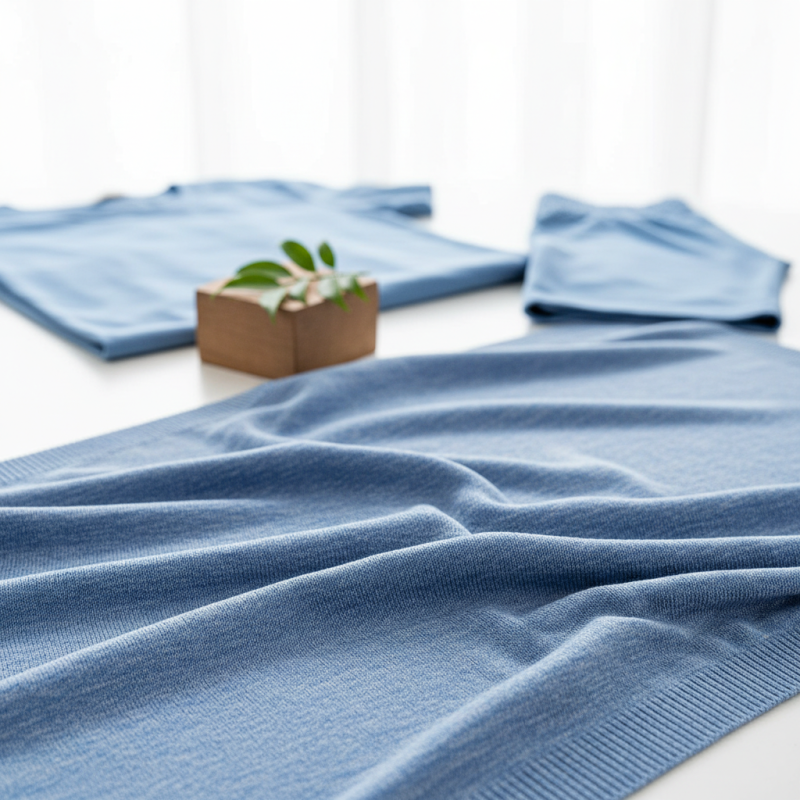
Definition of Knit Cotton Fabric and Its Origin
Knit cotton fabric is made by interlocking loops of yarn, primarily from cotton. This method enhances the fabric's elasticity and softness. The earliest known use of knitted textiles dates back to the 5th century, where it was used in various cultures for garments and other textiles. The unique construction allows for better stretch compared to woven fabrics, making it ideal for a wide range of clothing.
Reports indicate that the knit cotton market has seen substantial growth. According to a recent study, the global cotton textile market was valued at approximately $82 billion in 2020 and is projected to exceed $101 billion by 2026. Factors driving this demand include comfort and breathability. Knit cotton fabrics are favored for activewear and casual clothing due to their moisture-wicking properties and comfort.
However, not all knit cotton fabrics are created equal. Variations in the quality of the cotton and the knitting technique can greatly influence the final product. Consumers often overlook these details, assuming that all knit cotton will offer the same benefits. This discrepancy can lead to dissatisfaction when the fabric doesn't perform as expected. It highlights the importance of understanding the origins and qualities of the knit cotton fabric before making a purchase.
Characteristics of Knit Cotton Fabric and Common Types
Knit cotton fabric is popular for its softness and stretch. This material is made from cotton yarns that are intertwined, creating a comfy and breathable texture. It is ideal for casual wear and lounging apparel. Its flexibility allows for better movement, making it a favorite choice for activewear.
Common types of knit cotton include jersey, ribbed, and interlock fabrics. Jersey knit is lightweight and smooth, perfect for T-shirts and dresses. Ribbed knit features raised lines that add texture and elasticity, commonly used in cuffs and necklines. Interlock knit is thicker and more durable, making it suitable for structured garments.
Tips: Always check for fabric weight when choosing knit cotton. Lighter weights are great for layering, while heavier weights offer warmth. Additionally, consider your washing preferences. Many knit cotton fabrics are machine washable, but always verify care instructions to maintain their quality. It's important to be mindful of potential pilling on knitted surfaces, especially after multiple washes.
Knit Cotton Fabric Characteristics and Benefits
Key Benefits of Knit Cotton Fabric for Consumers
Knit cotton fabric is widely recognized for its comfort and breathability. This fabric provides a soft touch against the skin, making it a popular choice for casual wear. Many consumers appreciate its elasticity, which allows for better movement and flexibility. According to a report from the Textile Research Journal, knit fabrics can stretch up to 100% without losing their shape. This is particularly beneficial for active individuals seeking clothing that accommodates their lifestyle.
Another significant advantage lies in the fabric's durability. Studies indicate that knit cotton can withstand repeated washing, while maintaining its original color and texture. In fact, a report from the Cotton Incorporated Research and Promotion Program states that knit cotton retains 90% of its color after 30 washes, making it a reliable option for daily wear.
While knit cotton has numerous benefits, there are some considerations. Over time, it may pill or lose its smooth finish, especially with heavy use. Consumers are encouraged to care for their garments properly to prolong their lifespan. Additionally, the blend of cotton and synthetic fibers in some knit fabrics can impact breathability. Buyers should keep these factors in mind when selecting knit cotton options.
Applications of Knit Cotton Fabric in Fashion and Home Textiles
Knit cotton fabric has emerged as a versatile choice in both fashion and home textiles. Its soft texture and elasticity make it a favorite for apparel such as t-shirts and leggings. According to a recent report by the Cotton Incorporated, knit fabrics can retain color and shape better than some woven alternatives. This durability is attractive for consumers looking for long-lasting garments.
In home textiles, knit cotton is increasingly used for items like bed linens and cushion covers. The fabric allows for breathability, which is crucial in bedding. A survey showed that 75% of consumers prefer cotton for its comfort and ease of care. While knit cotton offers many advantages, not all products maintain high quality. Some manufacturers sacrifice fabric thickness for cost, which can lead to pilling and fading. Buyers should research and choose carefully.
Moreover, the stretch of knit cotton provides flexibility in design. Designers can create garments that fit various body types, enhancing customer satisfaction. Yet, this ability can sometimes result in a poorer fit if not tailored correctly. Consumers must weigh these factors and seek out reliable sources for quality knit cotton products.
What is Knit Cotton Fabric and Its Key Benefits for Buyers?
| Dimension | Details |
| Material Composition | 100% Cotton |
| Fabric Type | Knit Fabric |
| Weight | Lightweight to Medium Weight |
| Breathability | Highly Breathable |
| Softness | Very Soft to the Touch |
| Durability | Moderately Durable |
| Common Uses | T-shirts, Activewear, Home Textiles |
| Care Instructions | Machine Washable, Tumble Dry Safe |
| Environmental Impact | Biodegradable, Renewable Resource |
Care and Maintenance Tips for Knit Cotton Fabric Products
Knit cotton fabric is popular due to its soft texture and breathability. However, caring for these products correctly is essential for longevity. Most industry reports suggest that improper care can lead to a significant reduction in fabric lifespan. For example, Delve & Associates reported that 30% of consumers often ruin garments due to washing mistakes.
When washing knit cotton, use cold water to prevent shrinkage. It’s also wise to wash items inside out. This approach helps maintain color and prevents pilling. Avoid harsh detergents, as they can damage the fibers. Instead, opt for a gentle detergent suited for delicate fabrics.
Drying is crucial. Instead of using a dryer, consider air-drying knit cotton to ensure it retains its shape. While it may take longer, the result is often worth it. Ironing can be avoided in many cases, as this fabric is less prone to wrinkles. If you must iron, do so on a low setting to avoid scorching. Consistent care will enhance the life of your favorite knit cotton items, allowing you to enjoy them longer.
