
What Is Foot Scrub and What Is It Used For?

Foot Scrub is a simple tool for smoothing rough, dry skin, especially around the heels and balls of the feet. It may contain sugar, salt, pumice, or other exfoliating particles. Used gently, it can loosen flaky surface skin and leave feet feeling softer. It is not a treatment for fungal infections, deep cracks, or persistent pain.

The market context is broad, not scrub-specific. Grand View Research estimated the global foot-care products market at about $3.3 billion in 2023; that category includes products beyond scrubs. The American Academy of Dermatology advises gentle exfoliation and moisturizing, while warning that aggressive scrubbing can irritate skin. A small detail matters: stop if the skin stings, turns red, or feels tender. More pressure does not mean better results.

For expert perspective, podiatrists such as Dr. Miguel Cunha focus on foot care as part of overall health. However, no source material was provided to verify a verbatim quote from him or another foot-care specialist, so attributing invented words would be misleading. That limitation matters: a scrub can improve texture, but it cannot diagnose why skin is rough. Later sections can explain how ingredients differ, how to use a Foot Scrub safely, and when dry or cracked skin deserves professional attention.
What Is Foot Scrub and What Is It Used For?

What Foot Scrub Is and How It Works

A foot scrub is a product used to loosen and remove some dry, flaky skin from the feet. It usually contains small gritty particles suspended in a cream or gel. As you massage it over damp skin, the particles create gentle friction, helping lift surface buildup. The scrub does not reach deep skin layers or remove a thick callus in one use. Think of it as light surface care, not a cure. Less is often enough.

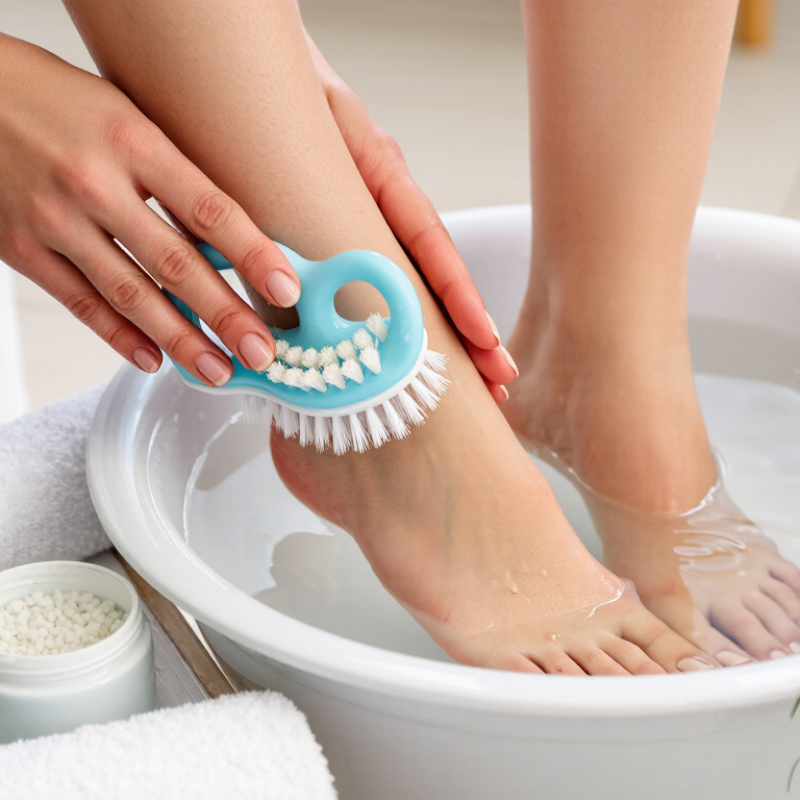
Warm water softens the outer skin, so scrubbing after a brief soak may feel more comfortable. Use light pressure, especially around the heels and toes, then rinse well and apply moisturizer. Avoid scrubbing cuts, irritated areas, or skin that feels painful. People with diabetes, reduced foot sensation, or circulation problems should ask a healthcare professional before exfoliating, since small injuries may be harder to notice or heal. Results vary, and roughness can return.

Tips: Test a small area first. Use gentle circles, not forceful scraping, and stop if your skin stings or becomes red. A little roughness may remain, and that is okay.

Common Ingredients and Types of Foot Scrubs

A foot scrub is an exfoliating product that helps loosen rough, flaky skin, especially around heels and the balls of the feet. Physical scrubs use particles such as sugar, salt, or pumice; sugar grains usually feel gentler, while coarse salt can feel harsher on cracked skin. Small grains matter. Some formulas use lactic or salicylic acid to soften built-up skin, while glycerin and oils help reduce dryness. Urea is also common in foot-care products, though it softens thick skin rather than acting as a scrub grain. The American Podiatric Medical Association’s 2014 consumer survey reported that 77% of Americans had experienced foot pain. That figure is not evidence that scrubbing prevents pain, but it underscores why comfort and careful skin care matter.

Choose the type for your skin, not just the roughness you can see. A pumice-based scrub may suit intact, callused skin, while a mild, moisturizing formula is often a better fit for dry feet. Avoid vigorous rubbing over cuts, inflamed areas, or deep cracks. People with diabetes, reduced sensation, or circulation problems should ask a clinician before exfoliating; small injuries can be harder to notice. Rinse well, pat dry, and apply moisturizer, especially around the heel. A scrub can leave skin smoother, but it cannot repair every cause of thickening, and more pressure is not better.

What Is Foot Scrub and What Is It Used For? - Common Ingredients and Types of Foot Scrubs

Scrub Type Common Ingredients Typical Use Texture and Notes Use With Care
Sugar scrub Sugar crystals, plant oils, glycerin, fragrance Loosens surface flakes and leaves skin feeling smooth. Usually has rounded, water-soluble granules that dissolve as they are rubbed and rinsed. Use gentle pressure; stop if skin becomes sore or irritated.
Salt scrub Sea salt or other salt crystals, oils, emollients Provides physical exfoliation for rough areas, such as the heels. Can feel coarser than sugar scrubs; formulations vary in grain size. Avoid cuts, cracks, freshly shaved skin, and other irritated areas, as salt may sting.
Pumice or mineral scrub Pumice, finely milled minerals, a cleansing or moisturizing base Helps mechanically buff thick, rough patches on the feet. Abrasiveness depends on particle size and how firmly the product is applied. Do not scrub hard or try to remove a callus all at once.
Acid-based exfoliating scrub Alpha hydroxy acids, such as lactic acid; sometimes urea Helps loosen dead surface cells; urea can also help soften dry, thickened skin. May exfoliate without large abrasive particles. Strength and directions vary by product. Follow the label; avoid broken or inflamed skin and discontinue if significant irritation occurs.
Moisturizing scrub Sugar or other exfoliating particles, glycerin, shea butter, plant oils Combines gentle exfoliation with ingredients that help reduce dry-feeling skin. Often leaves an emollient feel; rinse carefully to avoid a slippery floor. Check the ingredient list if you have a known sensitivity or allergy.
What a foot scrub does A foot scrub exfoliates by loosening or buffing away some dead surface skin. It can help feet feel smoother, but it does not treat the cause of persistent cracking, infection, or other foot conditions.
General use guidance Use according to the product label, apply lightly to damp skin if directed, rinse well, and moisturize afterward. Avoid frequent or vigorous scrubbing; reduce use or stop if skin becomes dry, tender, or irritated.
Important safety note Do not scrub open wounds, infected areas, or deep cracks. People with diabetes, reduced foot sensation, poor circulation, or a history of foot ulcers should ask a healthcare professional before exfoliating their feet.

How Foot Scrubs Exfoliate and Soften Skin

Foot scrubs exfoliate through friction. Their grains loosen and lift some of the dry, dead cells sitting on the skin’s surface. Used on damp feet, a small amount can smooth rough patches around the heels and balls of the feet. Move your fingers in gentle circles, especially over thick skin, and rinse well. No hard scrubbing is needed.

A smoother feel can be immediate, but it does not mean every rough patch is gone. Too much pressure or frequent use may leave skin sore or irritated. Less is often enough. Pat your feet dry, then apply a moisturizer while the skin still feels slightly damp; this helps reduce moisture loss and keep the surface supple. Avoid scrubbing cuts, blisters, or inflamed areas. If you have reduced foot sensation, poor circulation, or a condition that affects healing, ask a healthcare professional before using an abrasive scrub. Results can vary, and the heel may feel rough again as skin naturally builds up with walking and friction.

What Foot Scrubs Are Used For

Foot scrubs are used to loosen and lift dry, flaky skin from the feet. Their mildly abrasive grains can smooth rough areas, especially around the heels and balls of the feet. They may also help feet feel cleaner after a long day in socks or shoes. The result is usually a softer surface, not a medical treatment. A scrub cannot heal deep cracks or treat a fungal problem.

Used gently, a foot scrub can prepare skin for moisturizer by clearing away loose surface flakes. Wet your feet with warm water, then massage a small amount over rough areas using light, circular strokes. Rinse well and apply a fragrance-free moisturizer. Avoid vigorous scrubbing; redness or stinging means you should stop. It is easy to overdo it, especially when heels feel very rough, but more pressure is not better.

Tips: Try a small area first, and use the scrub no more than once or twice weekly. Skip it on cuts, irritation, or cracked skin. If you have diabetes, reduced foot sensation, or poor circulation, ask a healthcare professional before exfoliating. Pay attention to how your skin responds; it may need less scrubbing than you expect.

What Foot Scrubs Are Used For

A foot scrub can exfoliate surface dead skin and temporarily smooth rough-feeling skin. It does not treat fungal infections or replace care for painful or persistent calluses.

Scale: 1 = a suitable cosmetic use; 0 = not a treatment for this condition. Exfoliate gently and avoid scrubbing broken or irritated skin.

How to Use Foot Scrub Safely

Use foot scrub gently, not as a way to force away every rough patch. Soak your feet in warm water for a few minutes, then apply a small amount of scrub to damp skin. Move your fingers in light circles, especially over the heels and balls of the feet. Avoid scrubbing hard or spending too long in one spot. A common mistake is treating redness as proof that the scrub is working. It can instead mean the skin is irritated. Start with occasional use, such as once a week, and adjust only if your skin stays comfortable.

Check your feet first. Do not scrub cuts, blisters, cracked skin, or areas that look infected. If you have diabetes, reduced sensation, or circulation problems, ask a health professional before exfoliating; small injuries may be harder to notice or heal. Stop if you feel burning, pain, or lasting redness. Rinse thoroughly, including between the toes, and pat your feet dry rather than rubbing. Apply a plain moisturizer afterward, but keep the spaces between your toes dry. It is easy to overlook that small detail. If roughness persists or the skin becomes painful, seek professional advice instead of scrubbing more often.