What is Food-Grade Packaging and Why is it Important?
Food-Grade Packaging plays a critical role in our daily lives. This type of packaging is designed to safely hold consumable products. According to a recent report by the Research Institute of Food Science, over 50% of food safety issues stem from inadequate packaging. Ensuring that materials are "food-grade" is essential for preventing contamination.
The global market for Food-Grade Packaging is expected to reach $400 billion by 2025. This suggests a rising awareness of packaging safety among both consumers and manufacturers. Yet, many still underestimate the importance of quality. A study showed that 30% of consumers are unaware of packaging materials' impact on food health, indicating a significant gap in public knowledge.
Despite advancements, challenges remain. Some manufacturers cut costs by using subpar materials. Incidents of contamination due to poor packaging continue to occur. Thus, while food-grade packaging seems straightforward, it demands ongoing vigilance. Understanding its significance can help consumers make informed choices and push for higher standards in the industry.
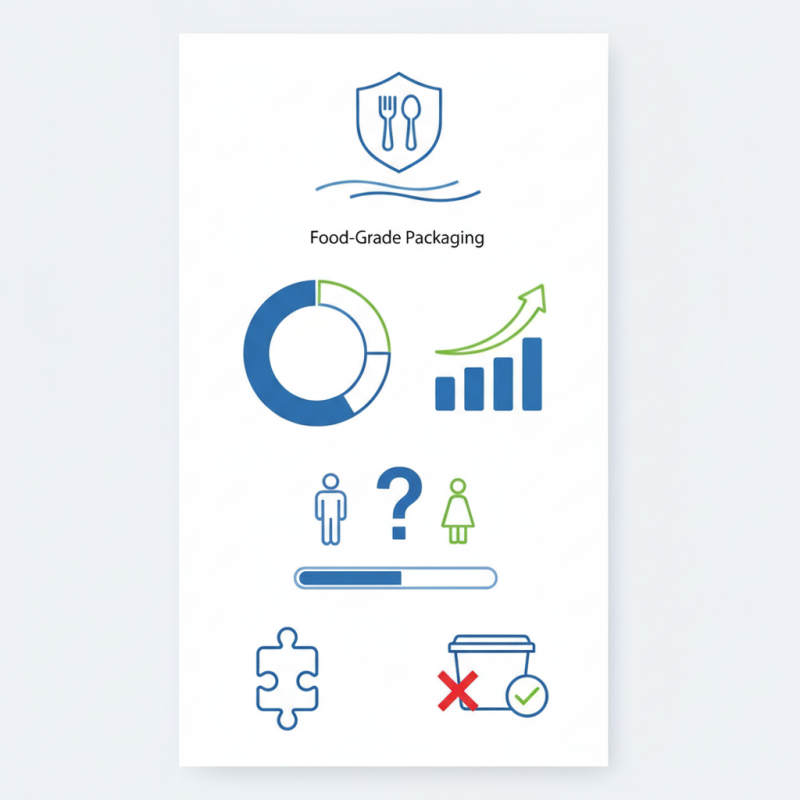
Definition of Food-Grade Packaging and Its Key Characteristics
Food-grade packaging refers to materials safe for food contact. Its characteristics ensure food safety and quality preservation. These packages resist moisture, chemicals, and physical damage. For instance, materials should comply with FDA standards. Research shows that nearly 70% of consumers trust packaging labeled as food-grade.
The importance of food-grade packaging spans various sectors. In 2020, the global food packaging market reached $300 billion. Such packaging prevents contamination, extends shelf life, and maintains flavor. A poorly designed package can lead to spoilage, affecting consumer trust. Issues like leakage and exposure to air must be considered.
Tips: Always check for food-safe labels. Resealable options are great for maintaining freshness. Consider using biodegradable options to minimize environmental impact. Food-grade packaging is essential for safety but varies in quality. Not all materials are equal; some may degrade faster than others. Reflect on your choices for better food storage.
Types of Food-Grade Packaging Materials Used in the Industry
Food-grade packaging plays a crucial role in the food industry. It ensures safety, freshness, and quality. Different materials serve specific needs. Common types include plastic, glass, metal, and paper. Each material has unique properties that affect performance.
Plastic is versatile and lightweight. It can be molded into various shapes. However, some plastics may not be entirely recyclable. Glass is non-reactive, preserving flavor and nutrients. Its heaviness can lead to higher transportation costs. Metal, like aluminum, is excellent for preservation but not always eco-friendly. Paper is biodegradable, yet it may lack durability.
The selection of packaging materials should consider environmental impact. Many manufacturers face challenges here. Balancing functionality with sustainability is not easy. In a world focused on convenience, it is essential to rethink our choices. Food-grade packaging should protect our health while being kind to the planet.
Regulatory Standards Governing Food-Grade Packaging Safety
Food-grade packaging plays a crucial role in maintaining food safety. Regulatory standards govern what materials can be used. These regulations ensure that packaging does not leach harmful substances into food. Various authorities outline specific guidelines. Compliance with these standards is necessary for consumer protection.
In many countries, agencies review and test materials. They evaluate toxicity levels and migration rates. These assessments help to ensure safety during food storage. While many manufacturers strive to meet these standards, not all succeed. Some adjust materials without thorough testing. This can lead to safety risks.
Packaging must also withstand specific conditions. Temperature, humidity, and light exposure are factors to consider. Improper packaging may compromise food integrity. This highlights the need for rigorous testing. Stricter oversight may reduce lapses in safety compliance. Understanding these issues is crucial for both producers and consumers.
What is Food-Grade Packaging and Why is it Important? - Regulatory Standards Governing Food-Grade Packaging Safety
| Dimension | Description | Importance | Regulatory Standard |
| Material Safety | Ensures packaging materials are safe for contact with food. | Prevents chemical contamination. | FDA Food Contact Notification |
| Barrier Properties | Protection against moisture, oxygen, and light. | Maintains food quality and extends shelf life. | EU Regulation (EC) No. 1935/2004 |
| Printing Ink Safety | Use of food-safe inks for printing labels and designs. | Prevents harmful substances from leaching into food. | ISO 22000 Standards |
| Recyclability | Ability to be recycled or reused. | Supports environmental sustainability. | ISO 14001 Environmental Management |
| Labeling Requirements | Proper labeling of ingredients and expiration dates. | Informs consumers and ensures safety. | FDA Labeling Regulations |
The Role of Food-Grade Packaging in Preserving Freshness and Quality
Food-grade packaging plays a crucial role in preserving food freshness and quality. It protects food from external factors like air, moisture, and light. This packaging extends shelf life, ensuring consumers enjoy safe and nutritious products. When food is protected, its flavor, texture, and nutrients remain intact. The choice of materials used in food-grade packaging affects these factors significantly.
Tips: Always check for certification. Look for packaging marked safe for food contact. This ensures harmful chemicals aren't leaching into your food. Consider the type of food when selecting packaging. Different foods require different levels of protection. For example, moist foods may need airtight seals, while dry foods can use breathable materials.
While food-grade packaging is essential, it has its flaws. Some materials may not be recyclable. Single-use plastics often end up in landfills. Consumers should be mindful of their packaging choices. Exploring eco-friendly options can minimize environmental impact. Remember, every little change counts in reducing waste.
Environmental Impact and Sustainability of Food-Grade Packaging Choices
Food-grade packaging plays a crucial role in protecting food safety. However, its environmental impact cannot be ignored. The global packaging industry is projected to grow to $1 trillion by 2024, leading to more waste. A significant portion of this waste comes from single-use plastics, which accounts for nearly 40% of global plastic consumption. It’s alarming to note that only 9% of plastic waste ever gets recycled, leaving a vast amount in landfills and oceans.
Sustainability in packaging is gaining momentum. Reports indicate that 74% of consumers are willing to pay extra for sustainable packaging. Biodegradable alternatives are emerging. These options reduce the reliance on fossil fuels and decrease greenhouse emissions. Yet, challenges remain. Many biodegradable materials require specific conditions to break down, which are not always available. Additionally, costs may be higher, impacting both manufacturers and consumers.
Choosing the right materials can be tough. Many companies are still resistant to change due to costs or supply chain complexities. Some materials marketed as "environmentally friendly" may not deliver the expected benefits. Research shows 65% of consumers are confused by eco-labels. This confusion suggests a need for clearer guidelines. Sustainable food-grade packaging is essential, but it is an ongoing journey requiring collaboration and innovation.
