How to Create an Inlay Card for Your Product Packaging?
Creating an effective inlay card for your product packaging can significantly enhance your brand appeal. An inlay card serves as a marketing tool. It provides essential product information while adding aesthetic value. Often, it’s the first thing customers see when they open a package.
When designing an inlay card, consider the key elements that reflect your brand. Colors, fonts, and images should align with your overall product theme. Think about the paper quality too; it matters more than you might realize. A high-quality card can create a lasting impression, while a flimsy one can lead to poor perceptions.
It can be challenging to balance aesthetics with information. Too much text can overwhelm, while too little may leave questions. Finding that sweet spot often requires several revisions and feedback. Embrace the imperfections in your design process. Each iteration will teach you something valuable about your audience and your product.
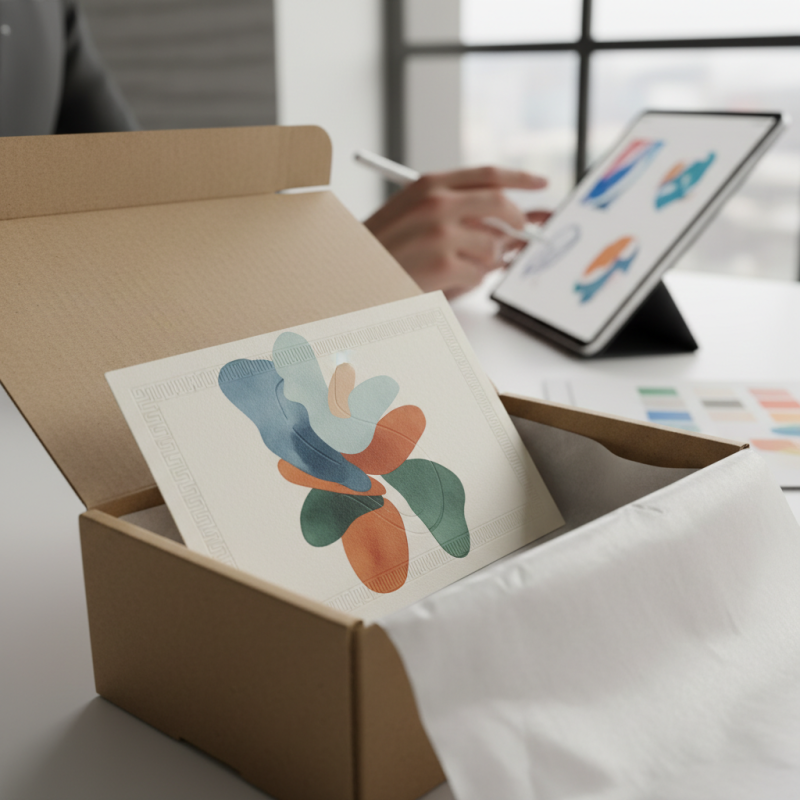
Understanding the Purpose of an Inlay Card in Product Packaging
An inlay card serves a crucial role in product packaging. It is not just a simple insert; it provides essential information about the product. Piecing together what customers need to know can boost their experience. A well-crafted inlay card highlights features, uses, and details about the product. This helps consumers feel confident in their purchase.
Including visuals on the inlay card can enhance understanding. Clear images or graphics make it engaging. However, it’s important to avoid clutter. Too much information can overwhelm. An effective card balances visuals with concise descriptions. It should guide the customer effortlessly. Reflecting on this, ensure the layout is intuitive and easy to navigate.
Inlay cards also create an emotional connection with customers. Thoughtful messaging can resonate with the audience's values. Is your card truly reflecting your brand's story? Aim for authenticity. Mistakes in design or wording can send mixed signals. Regularly reviewing your inlay card helps in fine-tuning its impact. Remember, the goal is to inform and connect.
Choosing the Right Materials for Your Inlay Card Design
Choosing the right materials for your inlay card design is crucial. Paper stock plays a vital role in the overall presentation. A study by Smithers Pira indicates that paper-based packaging retains around 70% of its market share, highlighting its popularity. Brands often opt for materials that convey quality. Choosing between recycled paper or premium cardstock can impact customer perception.
Color and finish are just as important. Glossy finishes can enhance colors but can appear cheaper if overused. Matte finishes give a sophisticated impression. According to a report by Freedonia Group, printed packaging materials are growing by 4.0% annually in developed markets. Consumers are drawn to informative designs.
However, sustainability remains a concern. Many consumers prefer eco-friendly options. This trend shows a 30% increase in demand for sustainable materials. Brands need to balance aesthetics with environmental impact. Failing to do so may alienate potential customers. Packaging is often the first interaction consumers have with a brand, so getting it right is vital.
Designing Your Inlay Card: Key Elements to Include
Designing an inlay card for your product packaging is essential for conveying your brand story. Start by planning the layout. Choose a clear, readable font for your text. Make sure your colors align with your branding. Balance images and text harmoniously.
Focus on key information. Include product details, usage instructions, and safety warnings. These elements matter. They inform and reassure your customers. Use bullet points for clarity and quick reading. Visual hierarchy can guide the viewer's eye. A well-structured design enhances comprehension.
Tips: Use high-quality images to make your card stand out. Remember, too much text can overwhelm. Reflect on your design choices. Are they effective, or are they just clutter? Test your card with potential users. Gather feedback to refine your design. A continuous improvement mindset can lead to better packaging outcomes.
Printing and Finishing Options for Your Inlay Card
Creating an inlay card for your product packaging involves careful consideration of printing and finishing options. The right choices can enhance your product's appeal. For printing, opt for high-quality materials that convey durability. Paper stock varies. Consider a matte finish for a sophisticated look or glossy for vibrant visuals.
Tips: Test print samples on different stocks. This will help you see how colors translate.
Additionally, think about special finishes. Foil stamping adds a luxurious touch. Embossing can create a tactile experience. Consumers often appreciate a card they can feel. However, these options may increase costs, so balance them wisely.
Tips: Keep your budget in check. Explore local printers for competitive quotes.
Don’t forget about design. Fonts should be legible, even in small sizes. Missteps in readability can confuse customers. Mistakes in layout can detract from your message. Reflect on your design choices to ensure clarity.
Incorporating the Inlay Card into Your Overall Packaging Strategy
Incorporating an inlay card into your packaging strategy can elevate your product’s appeal. This small addition can convey key messages about your brand. It provides an opportunity to share your story, values, or special offers. Crafting the card thoughtfully matters. Consider using striking visuals and concise text. Too much information can overwhelm customers. A clear focus keeps it engaging.
Placement is also essential. The inlay card should be easy to spot but not intrusive. Think about how it interacts with your product. Experiment with different designs and layouts. Feedback is valuable here, as customers may have opinions. Sometimes, you might find that a simple, bold design works better than intricate patterns.
Finally, remember to keep it fresh. Regularly update your inlay card to reflect new products or promotions. Stale content can disengage your audience. Testing different versions can provide insight into what resonates best. It’s not about getting it perfect every time; it’s about continuous improvement and adaptation to customer preferences.
