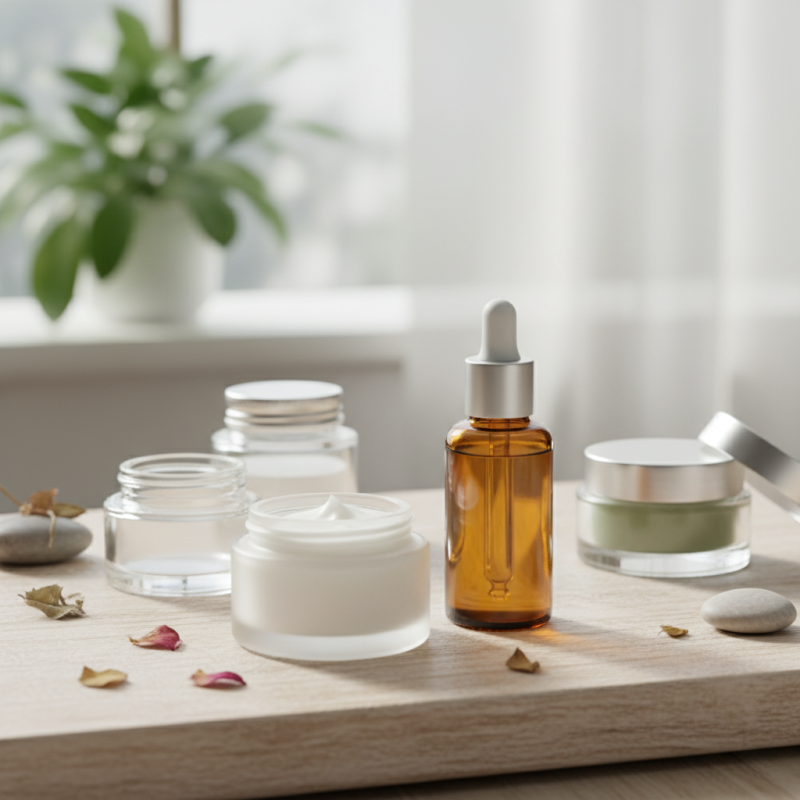
What are Cosmetic Jars and Their Popular Uses?
Cosmetic Jars are essential tools in the beauty and skincare industry. They come in various shapes, sizes, and styles, catering to a wide range of products. From creams and serums to powders and balms, these jars serve as a perfect container for your favorite cosmetics.
Many people often overlook the importance of choosing the right cosmetic jars. The right jar can enhance the product’s shelf life and maintain its quality. However, it’s crucial to consider factors like material and design. Plastic jars might seem convenient, but glass jars often add a touch of elegance.
Furthermore, using cosmetic jars encourages sustainability. Reusable jars can reduce waste. Some consumers, though, may not always think of recycling. Addressing this gap is essential. Cosmetic jars have become more than just containers; they are a reflection of personal choice and responsibility in beauty routines.
Definition and Overview of Cosmetic Jars
Cosmetic jars are essential containers for various beauty products. They come in different shapes and sizes, catering to diverse needs. Most cosmetic jars are made from glass or durable plastic. This versatility makes them popular among manufacturers and consumers alike.
These jars serve multiple purposes. They can hold creams, lotions, and even scrubs. The design often includes a secure lid to prevent contamination. Consumers appreciate jars for their resealability. However, customers sometimes struggle with the quantity, as jars can hold larger volumes than they actually need. It’s common to find a half-empty jar lingering at the back of a cabinet.
Moreover, the aesthetics of cosmetic jars matter too. They are often beautifully designed to enhance product appeal. Transparent jars allow users to see their product, which is both satisfying and practical. Yet, an abundance of choices can overwhelm buyers. Each decision may lead to reflection on which product truly serves their needs.
Different Types of Cosmetic Jars and Their Materials
Cosmetic jars are essential for storing beauty products. Their design varies widely, catering to different needs. Many jars are made from glass, plastic, or acrylic. Each material has distinct features and uses. Glass jars maintain product integrity well. They resist chemical interactions. However, they can be heavy. Plastic jars are lighter but may not offer the same protection.
The shape of cosmetic jars also matters. Round jars are common, offering easy access. Square and oval shapes use space efficiently. Some jars include air-tight seals. This feature extends product shelf life. Despite these advantages, finding the right jar can be challenging. Not all jars suit every product. Checking compatibility is crucial before purchase.
Labels and closures make a difference too. Innovative designs add convenience but can complicate things. For example, jars with pump dispensers may fail to dispense fully. Users may waste product in the process. Choosing the right jar requires careful consideration. Every detail influences user experience and product longevity. Aesthetic appeal should not overshadow functionality.
Common Uses of Cosmetic Jars in Skincare and Beauty Products
Cosmetic jars serve a vital purpose in skincare and beauty routines. They come in various shapes, sizes, and materials, catering to different products. Many people use jars for moisturizers, creams, and masks. Their opaque or frosted designs protect contents from light, helping maintain potency. However, air exposure can still lead to formula degradation.
In the realm of natural skincare, jars often house homemade products. Dull packaging can make users question the quality. An attractive jar can enhance the overall experience, encouraging regular use. Many struggle with the challenge of finding the right container that reflects their brand identity.
Additionally, storage is a common concern. Some jars take up too much space, cluttering countertops. Others might not be easy to open. Users may find themselves wasting product because they can't access it fully. It’s essential to consider practical usability alongside aesthetics when choosing jars.
Factors to Consider When Choosing Cosmetic Jars
When choosing cosmetic jars, several factors come into play. The material of the jar is crucial. Glass jars are often favored for their sleek appearance and durability. However, they can break easily, which is a concern for some users. Plastic jars offer versatility and safety. They are lightweight but may not convey the same premium feel as glass.
Another aspect to consider is the size of the jar. Larger jars are suitable for products like creams, while smaller jars work well for serums. A too-small jar may lead to frequent refills, which is inconvenient. On the other hand, a large jar could waste product if underused. Additionally, look at the closure. A tight-fitting lid is essential. Loose lids can result in spills or contamination.
It's essential to think about the design as well. Clear jars allow users to see the product, which can boost confidence in its quality. However, opaque jars protect light-sensitive ingredients, extending shelf life. Each choice has its pros and cons. It requires careful consideration to ensure the best fit for your needs.
Trends in Cosmetic Jar Design and Eco-Friendly Options
In recent years, eco-friendly options in cosmetic jar design have gained significant traction. According to a recent report by Market Research Future, the sustainable packaging market is projected to reach $500 billion by 2028. Consumers are increasingly seeking brands that prioritize environmental responsibility. Reusable and recyclable cosmetic jars appeal to this growing market segment.
Crafting these jars often involves innovative materials. Bioplastics and glass are among the top choices. Brands are moving away from traditional plastic, which poses environmental hazards. However, not all eco-friendly options are created equal. Some biodegradable materials break down under specific conditions. This can lead to confusion among consumers regarding proper disposal methods.
Trendy designs also play a vital role in the appeal of cosmetic jars. Sleek lines and minimalistic aesthetics resonate with consumers looking for elegance. Although these designs might be striking, they can sometimes sacrifice functionality. Jars may not always provide adequate protection against contaminants. This raises questions about product longevity and effectiveness. Balancing aesthetics, functionality, and sustainability is a challenge in today's cosmetic industry.