How to Choose the Best Optical and Sun Lenses for Your Needs?
Choosing the right Optical & Sun lens is crucial for eye health and comfort. The market offers numerous options, making the selection process daunting. When considering Optical & Sun lenses, it's vital to assess your specific needs. Factors like lifestyle, environment, and personal preference play significant roles.
Quality matters. Not all lenses are created equal. Some may lack durability, leading to frustration. Others may not provide adequate UV protection, which is essential for outdoor activities. It's important to seek guidance from professionals. They can offer insights based on experience and expertise.
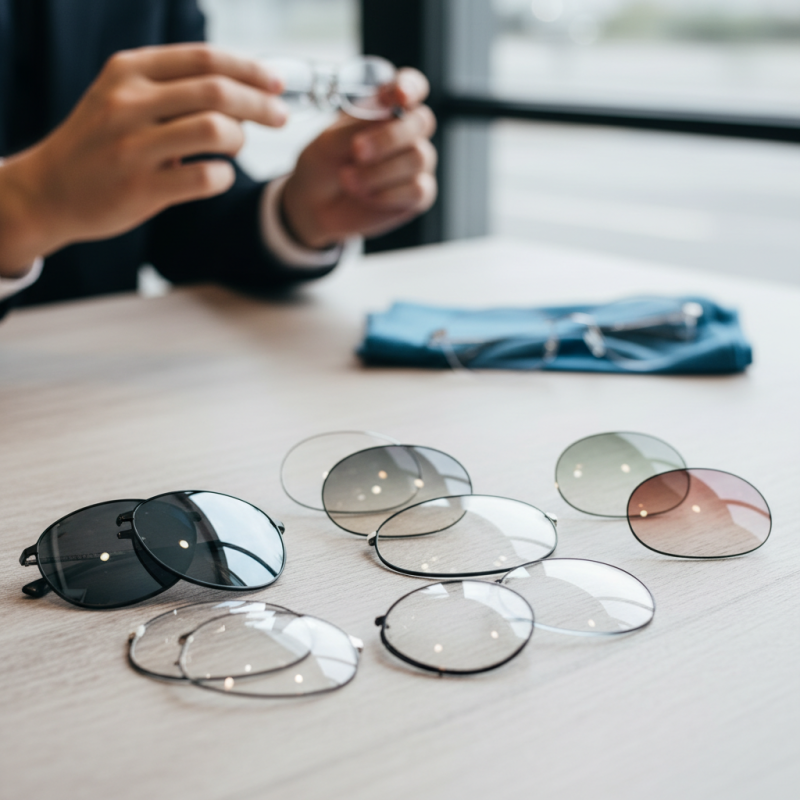
Understand the different types available. Prescription lenses cater to those needing vision correction. Polarized lenses reduce glare for outdoor enthusiasts. Photochromic lenses adapt to changing light conditions. Each lens type serves a distinct purpose, highlighting the importance of personalization. Reflect on your daily activities, as this influences your choice significantly.
Understanding Your Vision Needs and Lifestyle
Understanding your vision needs is crucial when choosing optical lenses. Consider your daily activities. Do you spend hours in front of a computer? This can lead to digital eye strain. Blue light blocking lenses could be a wise choice. If you love reading outdoors, polarized lenses reduce glare and enhance clarity.
Your lifestyle plays a pivotal role too. Are you active and on the go? Look for durable lenses that withstand impacts. Do you enjoy fashion? Then style might guide your choice. Sometimes, the perfect lens can strain your eyes if not chosen wisely. Reflect on your preferences and activities. Test different options to see what feels right. Embrace the process of finding the ideal lens tailored for you.
Types of Optical Lenses: A Comprehensive Overview
When selecting optical lenses, understanding the various types is essential. Prescription lenses, widely used, enhance vision clarity. They are categorized into single vision, bifocal, and progressive lenses. According to the Vision Council, nearly 75% of adults in the U.S. require some form of vision correction. Each type accommodates specific visual challenges, reflecting individual needs.
Single vision lenses provide one optical power for clear vision at a distance or near. Bifocal lenses offer two distinct viewing areas, while progressive lenses seamlessly transition between multiple zones. A report from the American Optometric Association suggests that progressive lenses are gaining popularity, accounting for about 40% of all prescription lenses. This highlights the increasing demand for versatile options among consumers.
Sunglasses, an essential category, feature polarized and photochromic lenses. Polarized lenses reduce glare, ideal for driving or outdoor activities. In contrast, photochromic lenses adapt to light changes, offering comfort in varying environments. A study shows that 90% of UV rays can penetrate clouds, underlining the need for UV protection. Overall, the choice of optical lenses reflects personal and lifestyle factors, emphasizing the importance of informed decisions in eye care.
Exploring Sun Lenses: UV Protection and Tinting Options
When selecting sun lenses, UV protection is paramount. Harmful ultraviolet rays can cause long-term damage to your eyes. Look for lenses that offer 100% UV protection. This ensures your eyes are shielded from both UVA and UVB rays. Many people underestimate the importance of this feature. Not all sunglasses provide adequate protection, so always check for certification.
Tinting options add another layer to your choice. Different tints can enhance your vision in varying light conditions. Gray lenses reduce brightness without distorting colors. Brown or amber tints increase contrast. However, consider your activities. If you often switch between environments, photochromic lenses might suit you. They adjust to lighting changes, but their effectiveness can vary based on temperature.
Optical clarity is essential as well. Darker tinted lenses can reduce visibility in low light. Some individuals find that overly dark lenses lead to eye strain. Moderation is key. Test different styles and tints to find your optimal balance. Each person's needs are unique, and what works for one may not work for another. Stay informed and make choices based on your lifestyle and habits.
How to Choose the Best Optical and Sun Lenses for Your Needs?
| Lens Type | UV Protection | Tinting Options | Ideal Conditions |
| Polarized Sunglasses | 100% UV Protection | Grey, Brown | Bright sunlight, Water activities |
| Photochromic Lenses | 100% UV Protection | Brown, Grey, Yellow | Variable light conditions |
| Tinted Safety Glasses | Up to 99% UV Protection | Amber, Grey | Construction, Outdoor Work |
| Mirror Coated Lenses | 100% UV Protection | Blue, Silver, Green | High glare environments |
Evaluating Lens Materials: Weight, Durability, and Clarity
When selecting optical and sun lenses, the choice of materials is crucial. Lenses come in various materials like polycarbonate, glass, and high-index plastics. Each option has its unique characteristics. For instance, polycarbonate is lightweight and impact-resistant, making it ideal for active lifestyles. However, it can scratch easily without coatings.
Durability is another essential aspect. Glass lenses provide excellent optical clarity and scratch resistance but are much heavier and can break upon impact. If you require a balance, high-index plastics may be the answer. They offer clarity with reduced weight, although they can be more susceptible to scratches than glass.
Consider your activities when evaluating lens materials. Someone who enjoys outdoor sports may prioritize durability and impact resistance, while everyday users may seek comfort and clarity. Reflect on how each material aligns with your daily needs. Think about the trade-offs involved. Clarity and weight are crucial, but so is durability. Finding the right lens material is about matching your lifestyle with the specific qualities of each option.
Consulting with Professionals: When to Seek Expert Advice
When it comes to selecting optical and sun lenses, consulting with professionals can make a significant difference. Eye care experts possess knowledge and experience that can guide you through options. They can assess your vision needs and lifestyle factors, ensuring you choose suitable lenses. You might think you understand your requirements, but a trained professional can uncover hidden needs.
Sometimes, people feel hesitant to seek advice, thinking they can manage alone. However, lens technology is complex. The right pair of lenses can enhance your vision comfort and protect against harmful UV rays. Consultation also helps in understanding different types, such as polarized or photochromic lenses. These nuances can be hard to grasp without expert guidance.
Additionally, professionals can identify potential issues. If you have specific problems, like astigmatism or sensitivity to light, they can suggest tailored solutions. Ignoring these aspects may lead to discomfort or ineffective choices. Overall, it is crucial to approach lens selection thoughtfully. Remember, what seems right for you may not be. Engaging with experts can elevate your choice and safeguard your eye health.
Choosing the Best Optical and Sun Lenses
When choosing the best optical and sun lenses, consider these key features and their importance ratings. Understanding your needs will help you consult with professionals effectively.
