How to Choose the Best Folding Door for Your Home?
Choosing the right Folding Door can greatly enhance your home’s functionality and aesthetics. With various styles and materials, it’s essential to consider your specific needs. Folding doors seamlessly connect indoor and outdoor spaces, creating an inviting atmosphere.
When selecting a folding door, think about the design that fits your home’s style. Are you drawn to modern, sleek lines or classic, warm finishes? Pay attention to the material as well; wood offers warmth, while aluminum brings a contemporary look. It’s important to ensure that the chosen door suits the climate in your area.
Don’t forget to measure your space accurately. An ill-fitting folding door can lead to frustrating drafts and potential damage over time. While it’s tempting to focus solely on aesthetics, durability should also be a priority. Reflect on how often you will use the door and the level of maintenance you’re willing to commit to. Balancing style with practicality can be a challenging yet rewarding endeavor.
Understanding Different Types of Folding Doors for Home Use
Folding doors can transform your home. They provide both style and functionality. There are several types available, each serving different needs.
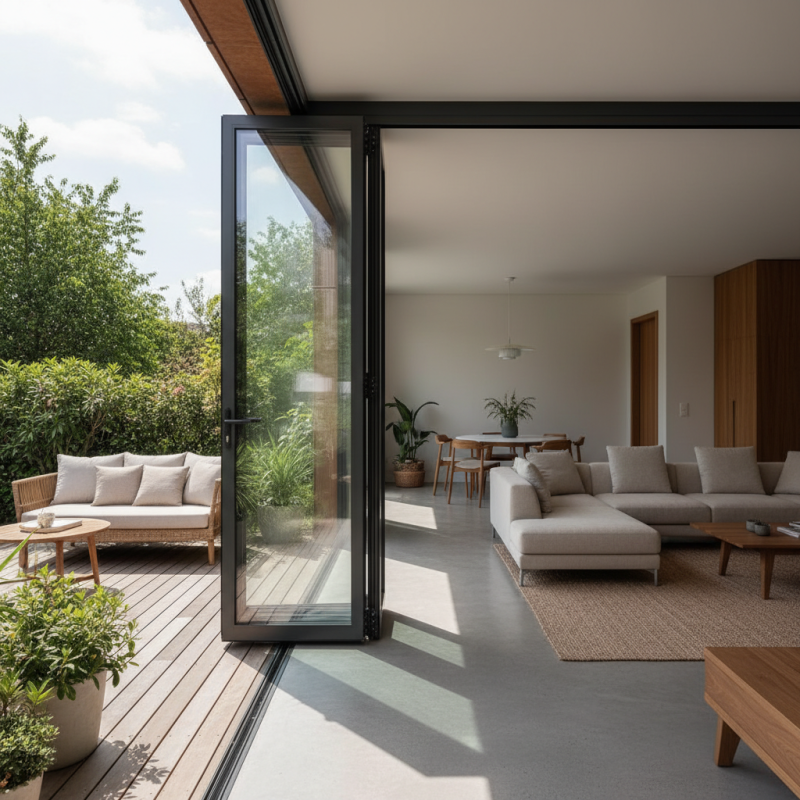
Bi-fold doors are popular choices. They consist of multiple panels that fold against each other. This creates a wide opening and connects indoor and outdoor spaces. They can enhance light and airflow in any room. However, installation can be tricky. Proper alignment is essential for smooth operation.
Accordion doors are another option. They take up less space, as they slide to one side. These doors are ideal for small areas. They come in various materials, including wood and vinyl. However, they may not provide the same aesthetic appeal as bi-fold doors. Consider your needs carefully. Each type has its pros and cons. Choosing the right one involves reflecting on your home’s layout and usage.
Comparison of Different Types of Folding Doors
Key Factors to Consider When Choosing Folding Doors
Choosing the right folding door for your home involves several key factors. Start by assessing the space where you plan to install the door. Measure carefully to avoid any unpleasant surprises. If the room is small, consider a slim design that doesn’t overwhelm the area. For larger spaces, you might go for wider panels that provide more natural light.
Material is another crucial aspect. Some materials offer better insulation than others. Wood can be warm and inviting, but it requires more maintenance. Aluminum is durable and modern but may not provide the same aesthetic warmth. Glass doors can enhance light, but security is a concern. Reflect on how each option fits your style and needs.
Here are some tips to think about:
- Test the door's operation. Make sure it opens and closes smoothly.
- Look for energy efficiency ratings. This can impact your utility bills.
- Ensure you have a good seal when closed. Poor seals lead to drafts and discomfort.
Taking time to understand these factors will help prevent regrets later. Evaluate your priorities and don’t rush the decision.
Materials and Durability: What to Look For in Folding Doors
When choosing folding doors, materials and durability are key factors. Common materials include wood, aluminum, and vinyl. Each option has its pros and cons regarding strength and maintenance.
Wood doors offer natural beauty but may require more upkeep. They can warp or swell in humid climates. A study from the National Association of Home Builders indicates that untreated wood can have a lifespan of only 15-20 years. So, think twice before selecting untreated wood for durability.
Aluminum doors are lightweight and resistant to rust. They provide a modern look and excellent insulation. A report by the Department of Energy highlights that aluminum frames can offer energy savings by reducing heat transfer. However, they may not be as sturdy as some wood options.
Tip: Check for warranties and guarantees. This can provide peace of mind and ensure your investment is protected.
Vinyl doors are often affordable, but they may fade over time. Reports show they have a lifespan of about 20-25 years. You'll want to consider your regional climate when selecting vinyl. Also, ensure they are UV resistant.
Tip: Consider future maintenance. Some materials may require painting or staining, while others don’t. This can impact your long-term satisfaction with your folding doors.
Aesthetic Considerations: Matching Folding Doors to Your Home's Style
Choosing the right folding door is crucial for enhancing your home's style. When considering aesthetic aspects, think about how the door complements existing decor. A door’s material, color, and design can significantly impact the overall look of a room. For instance, wood offers a warm, natural appearance, while aluminum gives a modern touch.
Pay attention to the finish of your door. A glossy finish can appear sleek but may not fit a cozy home. A matte finish can evoke a rustic vibe, perfect for traditional settings. Experiment with contrasting colors to create a statement. Lighter doors against dark walls can draw attention.
Tips: Always visualize how the door will fit in the space. Use fabric swatches or paint samples to see color combinations. Don’t rush the decision. Reflect on experience from past choices that didn’t work. Another tip is to consider the door's hardware. The style of handles and hinges should align with your home’s theme too.
Selecting a folding door is more than practicality. It's about creating a cohesive environment. Think carefully about the design elements you include. Sometimes, the best choice may be something unexpected.
Explore versatile doors that suit both modern and traditional spaces.
Cost Analysis: Budgeting for Your Folding Door Purchase and Installation
When budgeting for a folding door, it's essential to consider several factors. The average cost of folding doors typically ranges from $1,000 to $5,000, including both materials and installation. According to the National Association of Home Builders, homeowners often overlook installation fees. These can account for 20-30% of the total cost.
Material choice significantly influences the budget. Aluminum doors tend to be on the higher end, while vinyl options are more affordable. In 2022, a report from the Remodeling Magazine indicated that replacing an exterior door could yield about 75% return on investment. However, folding doors might not guarantee the same return, emphasizing the need for careful planning.
Hidden expenses can arise, like permits and structural reinforcements. In older homes, modifications may be necessary, leading to unanticipated costs. Homeowners should also account for routine maintenance expenses. If not planned correctly, these costs can accumulate and strain a budget. Therefore, evaluating long-term affordability and not just initial expenses is crucial.
Cost Analysis: Budgeting for Your Folding Door Purchase and Installation
| Dimension | Cost Range | Material Type | Installation Cost |
| Standard (6ft x 8ft) | $400 - $800 | Wood | $150 - $300 |
| Large (8ft x 10ft) | $700 - $1200 | Aluminum | $200 - $400 |
| Custom (10ft x 12ft) | $1000 - $2000 | Glass | $300 - $600 |
| Compact (5ft x 7ft) | $300 - $600 | Vinyl | $100 - $250 |
