2026 How to Choose Cowboy Hat Styles for Global Buyers?
Choosing Cowboy Hat Styles in 2026 requires more than following Western fashion images. Global buyers must connect design with climate, customer behavior, material performance, and regional retail expectations. A felt hat that feels luxurious in Denver may feel uncomfortable in humid Singapore. A wide brim may protect outdoor workers, while a compact cattleman crown may suit urban shoppers and travel displays.
Industry data supports this broader view. Grand View Research’s global headwear market analysis projects continued growth through 2030, driven by fashion use, outdoor activities, and product personalization. The report also highlights changing consumer interest in comfort and functional design. Textile Exchange’s Materials Market Report 2024 shows why fiber selection deserves attention, especially as buyers examine recycled content, traceability, and environmental impact. These reports do not measure every cowboy hat purchase. Still, they provide useful direction.
Practical experience adds another layer. Buyers should compare crown height, brim width, sweatband construction, ventilation, packability, and size consistency before reviewing colors. Natural straw can suit hot climates, but weak weaving may fail during shipping or repeated wear. Wool felt offers warmth, yet it may need better moisture protection. Small details matter.
There is no perfect universal style. That is the uncomfortable part. A reliable 2026 selection should combine recognizable Western character with measurable comfort, responsible sourcing, and market-specific testing. This guide examines Cowboy Hat Styles through that commercial and practical lens, helping global buyers make decisions that look attractive on a product page and perform in real life.
What Defines a Cowboy Hat Style in 2026?
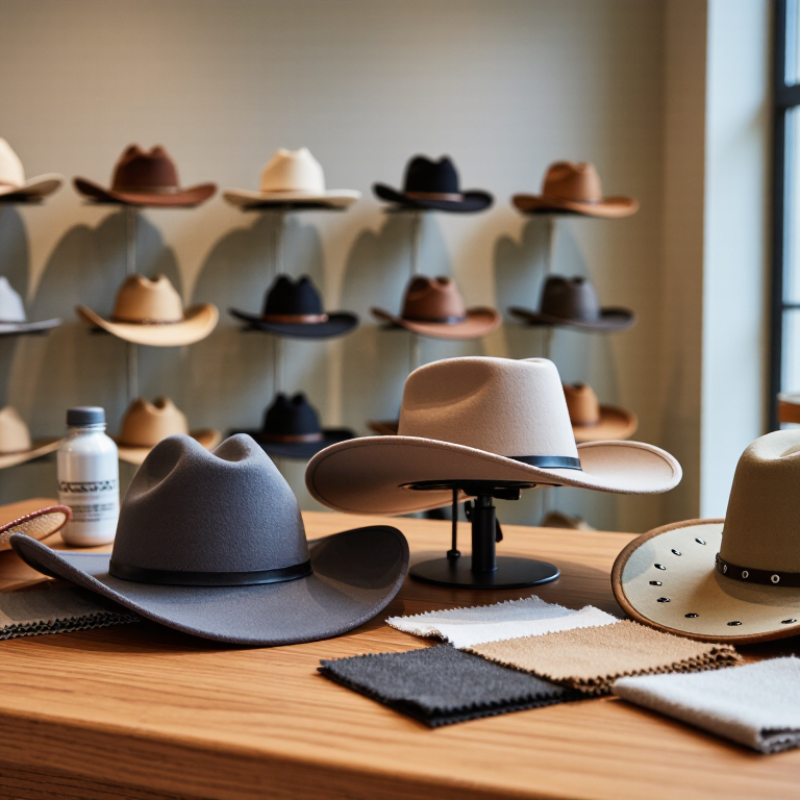
In 2026, a cowboy hat style is defined by more than a tall crown or curved brim. Global buyers now examine proportion, material, comfort, and cultural context before ordering. A working ranch hat may use firm felt, a sweat-resistant band, and a brim that shields the neck. A fashion-focused design may use lighter straw, a lower crown, and cleaner shaping. The difference should be visible from a distance, but useful in daily wear.
My product evaluations start with measurements, not photographs. I check crown height, brim width, pinch shape, ventilation, stitching, and internal sizing. A 10-centimeter crown can feel balanced with a medium brim, while a wide brim may need stronger structure. Natural fibers offer breathability, yet they can react to moisture and storage conditions. Wool felt provides warmth, but some buyers may prefer lighter blends in humid regions. Small details matter. A soft sweatband can change a six-hour wearing experience.
In 2026, style also reflects regional use and responsible purchasing. Buyers in sunny coastal areas may prioritize ultraviolet coverage and moisture control. Customers in colder markets may value insulation and shape retention. Color remains personal, though earth tones often coordinate with workwear and travel clothing. I still question simple trend forecasts. A style that photographs well may feel heavy, tight, or impractical after one afternoon. Reliable suppliers should provide measured dimensions, care guidance, material information, and consistent samples before larger orders. This makes style easier to judge, not merely easier to sell.
How to Match Hat Shapes with Face Types and Personal Style
Choosing a cowboy hat starts with the face, not the trend.
For oval faces, most crown shapes work well, including cattleman and pinch-front designs.
Round faces benefit from taller crowns and medium-to-wide brims. These features add visual length.
Long faces often look balanced with lower crowns and wider, flatter brims.
Square faces can soften with curved brims and gently rounded crowns.
Personal style changes the final choice.
A clean, structured hat suits tailored clothing and formal travel wardrobes.
A distressed texture feels more relaxed with denim, canvas, or outdoor clothing.
For global buyers, proportion matters more than decoration.
Measure head circumference carefully, then check the brim against shoulder width.
A very wide brim may overwhelm a smaller frame. It may also become inconvenient in crowded streets or windy coastal areas.
Market data supports the category’s continued relevance.
Grand View Research projects the global hats market to grow at about 6% annually through 2030.
However, face-shape matching remains partly subjective.
I have seen “correct” proportions feel wrong when the wearer dislikes a tall crown.
Comfort can defeat theory.
Try the hat from front and side views, under natural light.
Keep two centimeters of breathing room inside the sweatband.
Small fitting errors become obvious after several hours.
My own preference is a moderate crown and brim, although that choice is not universal.
How to Choose Sizes, Fits, Colors, and Decorative Details
Global buyers should begin with a head measurement, not a familiar local size. Wrap a soft tape around the widest part of the head, about one centimeter above the ears. Keep the tape level and relaxed. A 58-centimeter measurement often suits a medium size, but sizing systems can differ between suppliers. Ask for the inner circumference before placing a large order.
The fit should feel secure without leaving pressure marks. A low crown may suit smaller head shapes, while a higher crown gives more vertical room. Wide brims offer stronger sun coverage, but they may feel awkward in crowded cities or strong wind.
Color should reflect climate, clothing, and customer habits. Light sand and tan feel practical in sunny regions. Dark brown and black look formal, but they can show dust more clearly. Decorative bands, stitching, beads, and metal accents should match the target market’s taste.
Check their weight, attachment quality, and care requirements. A beautiful detail becomes a problem if it loosens after limited use. I once underestimated brim balance; appearance alone did not guarantee comfort.
Tips:
Request a size chart, fit photos, and a physical sample. Test the hat indoors and outdoors. Ask whether colors change under direct sunlight. Leave room for minor measurement differences, because real heads are not perfectly uniform. Keep specifications written clearly, even when details seem obvious.
What Buyers Should Check for Quality, Use, and Market Demand
2026 How to Choose Cowboy Hat Styles for Global Buyers?
Global buyers should treat a cowboy hat as equipment, not decoration. Use decides the shape. Ranch work needs a firm brim, stable crown, and sweatband that dries quickly. Festival buyers may prefer lighter straw, brighter trims, and easy packing. Check the local climate before approving a sample. High humidity exposes poor blocking, weak glue, and color transfer. Ask for measured brim width, crown height, head circumference, and finished weight. These details prevent vague quality claims.
Material choices need evidence. Textile Exchange’s Materials Market Report 2024 records 124 million tonnes of global fiber production in 2023; polyester represented 57%. That figure supports demand for durable synthetics, but it does not make polyester automatically suitable. For warm markets, test straw density, ventilation, UV resistance, and sweat staining. For cooler markets, inspect wool or felt recovery after compression. Look inside the hat. A reinforced sweatband, even stitching, clean edge binding, and corrosion-resistant fittings indicate better control. Request colorfastness, dimensional stability, abrasion, and water-resistance records from the supplier. Independent laboratory results are more useful than attractive product photos.
Market demand should guide the assortment. McKinsey and The Business of Fashion’s State of Fashion 2025 describes fashion growth as low single digit, making overbuying risky. Compare regional sell-through, return reasons, search data, and retailer feedback. Do not copy one viral silhouette. Some buyers still want a tall crown; others need stackable cartons and neutral colors. Offer a small test order with two brim widths and several head sizes. Measure repeat orders after weather and holiday cycles. I would also challenge my own forecast. Reports describe broad markets, not every town. A beautiful hat can fail when sizing runs narrow or the brim catches warehouse shelves.