How to Choose the Best Floor Mats for Your Home?
Choosing the right Floor Mats can significantly enhance your home's comfort and style. Floor mats serve multiple purposes, from protecting your floors to adding a touch of personality to your space. They are often the first thing guests notice when they enter your home, making a good impression essential.
Consider the material of the floor mats. Various options like rubber, carpet, and vinyl are available. Each has unique benefits and may suit different areas of your home. For instance, rubber mats are durable and great for entryways, while plush carpet mats create warmth in living rooms.
Size matters too. Select floor mats that fit your spaces well. A mat that's too small looks awkward, while one that's too large can overwhelm. Think about colors and patterns as well. They should complement your decor, not clash with it. Reflect on how each choice impacts the overall aesthetic. The right floor mats should blend function with beauty, making your home feel inviting and cohesive.
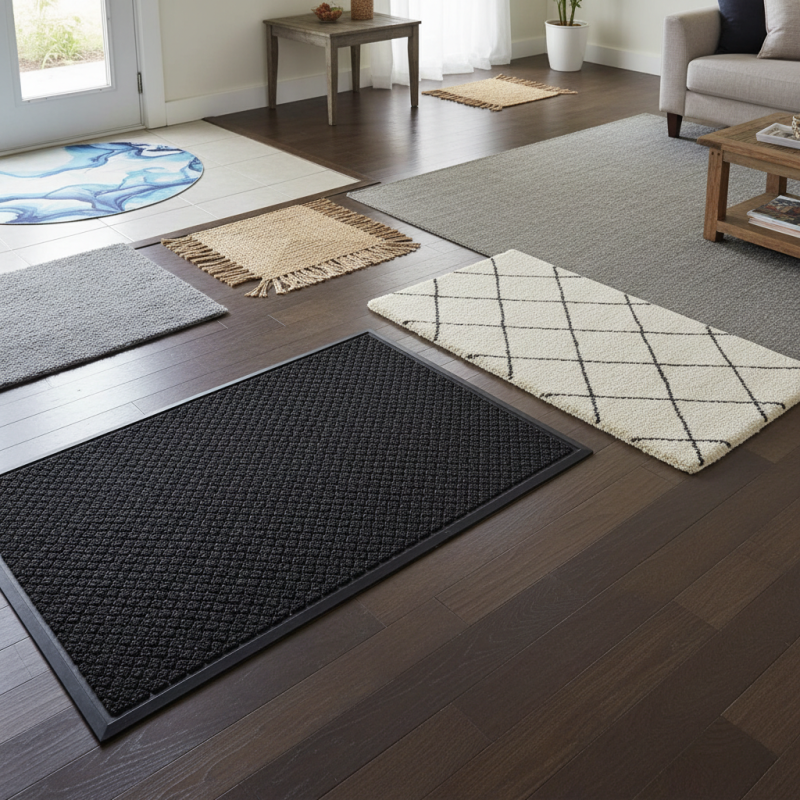
Types of Floor Mats: Understanding Different Materials and Uses
Choosing the right floor mats for your home involves understanding the materials available. Various mats serve different purposes and can significantly impact comfort and safety. According to a study by the Floor Covering Industry Association, over 60% of consumers prioritize functionality over aesthetics when selecting floor mats.
Rubber mats are highly durable. They often resist water and stains effectively. Ideal for high-traffic areas, rubber mats provide excellent grip, reducing slip risks. However, they might not always blend well with home decor. On the other hand, carpet mats offer a softer feel. They add warmth to any space. Yet, they require regular cleaning and may trap dust and allergens if neglected.
Natural fiber mats, like jute and sisal, are eco-friendly and stylish. They can add a rustic touch to your home. However, their maintenance can be tricky since they absorb liquids easily. A recent report indicated that nearly 22% of consumers found natural fiber mats less durable under wear and tear. Understanding the nuances of each type will help you find the best fit for your space and lifestyle.
Evaluating Your Home's Needs: Which Areas Require Floor Mats?
When selecting floor mats, it's essential to evaluate your home's specific needs. Different areas require unique solutions based on foot traffic, weather, and style. For instance, entryways often face heavy foot traffic. A study by the Institute for Cleaning and Restoration Certification found that 80% of dirt in homes comes from outside. Hence, a durable mat at the entrance can trap dirt and moisture.
Kitchens and dining areas also call for specific considerations. These spaces need mats that reduce fatigue, as people often stand for long periods. According to a report by the U.S. Bureau of Labor Statistics, approximately 60% of workplace injuries occur due to slips, trips, and falls. Therefore, choosing mats with anti-slip features can enhance safety.
Living rooms and bedrooms allow for a blend of function and aesthetics. Cozy, soft mats can add warmth, while also protecting floors. However, they are more challenging to clean and may stain easily. It's vital to assess how often these areas are used and maintain cleanliness. Reflect on your lifestyle—are you hosting guests frequently? Do you have pets? These factors will guide your decision on the type and style of mats that best suit your home.
How to Choose the Best Floor Mats for Your Home?
This chart evaluates the areas in your home that require floor mats based on their needs. The data reflects the most common areas where floor mats are utilized along with their respective importance ratings on a scale of 1 to 10.
Choosing the Right Size: Measuring for Optimal Floor Mat Fit
Choosing the right size for your floor mats is essential for both aesthetics and functionality. To start, measure the area where you want to place the mat. Use a tape measure. This will give you an accurate size to work with. If the space is awkwardly shaped, consider making some templates with paper. This will help you visualize the mat's fit.
It’s important to remember that a mat that’s too small may look out of place. One that’s too large can create a cluttered appearance. Some people overlook this, thinking any size will work. Paying attention to the proportions can elevate your room's overall look. A well-sized floor mat enhances comfort and warmth underfoot, especially in entryways or living areas.
It's also wise to consider the thickness of the mat. A thicker mat may need more space. However, a thin mat may slip easily if not anchored properly. Many people forget to factor in the type of flooring beneath the mat. A smooth surface may require a different approach compared to carpet. Reflecting on these details can save you from future frustrations.
How to Choose the Best Floor Mats for Your Home? - Choosing the Right Size: Measuring for Optimal Floor Mat Fit
| Room Type | Recommended Dimensions (in inches) | Material Options | Best Features |
| Living Room | 30 x 48 | Polyester, Nylon | Comfort, Style |
| Kitchen | 24 x 36 | Rubber, Vinyl | Water-resistant, Easy to Clean |
| Bathroom | 20 x 32 | Microfiber, Cotton | Soft, Absorbent |
| Entryway | 24 x 60 | Coir, Synthetic | Slip-resistant, Durable |
| Bedroom | 24 x 36 | Wool, Synthetic | Soft, Insulating |
Style and Aesthetics: Matching Floor Mats with Home Decor
When choosing floor mats, style and aesthetics play a crucial role. The right mat can enhance your home decor significantly. Think about the colors and patterns you already have. A vibrant, patterned mat can add energy to a monochromatic room. Conversely, a neutral mat can create a calm ambiance in a space filled with bold colors.
Texture is also essential. A soft, plush mat can make a living area feel inviting. In contrast, a sleek mat can complement modern decor beautifully. Don’t forget to consider the material. Natural fibers, such as jute, offer warmth but may not work well in high-traffic areas. Synthetic materials are durable but may lack character.
Finding balance can be tricky. You might choose a perfect design only to realize it clashes with the existing furnishings. Sometimes, the mat you love might not fit the space right. It's important to reflect on these choices and how they affect your overall aesthetic. Putting thought into your floor mats can transform your home into a cohesive haven.
Maintenance Tips: Caring for and Cleaning Your Floor Mats
When it comes to floor mats, maintenance is key for longevity. Regular vacuuming prevents dirt buildup. Take note of high-traffic areas; they collect more grime. Spot clean any stains immediately to avoid permanent marks. Instead of ignoring them, give them the attention they deserve.
Cleaning methods can vary based on material. For fabric mats, washing them in cold water is often effective. However, be cautious; not all mats are machine washable. Sometimes, hand cleaning is the best choice. Use a gentle detergent and avoid harsh chemicals. It’s easy to overlook this, but the right cleaning solution makes a difference.
Drying is just as crucial. Hang mats outside in the fresh air after washing. Avoid using a dryer, as heat may damage them. If you don’t have outdoor space, place them flat in a well-ventilated room. Remember, neglecting these steps can lead to wear and tear. Regular care will keep your mats looking new longer.
