What is Carbon Fiber Fabric and Its Benefits for Buyers?
Carbon Fiber Fabric is revolutionizing various industries with its remarkable properties. Known for its lightweight and high strength, this material has become essential in sectors such as aerospace, automotive, and sports equipment. According to a report by Research and Markets, the global carbon fiber market is expected to reach over $5.5 billion by 2025. This highlights its increasing popularity and demand among buyers.
The benefits of Carbon Fiber Fabric extend beyond mere strength. It offers excellent resistance to corrosion and fatigue, making it a reliable choice for many applications. Its thermal and electrical conductivity opens up new possibilities in various engineering fields. However, the high cost of production remains a concern for some buyers. Achieving the balance between cost and performance is imperative when considering this advanced material.
Moreover, while the environmental impact of carbon fiber production is still a topic of debate, advancements in recycling methods are emerging. Companies are exploring more sustainable ways to produce and recycle Carbon Fiber Fabric. Buyers need to reflect on these challenges and weigh the long-term benefits against the present limitations. Understanding these nuances of Carbon Fiber Fabric is vital for making informed purchasing decisions.
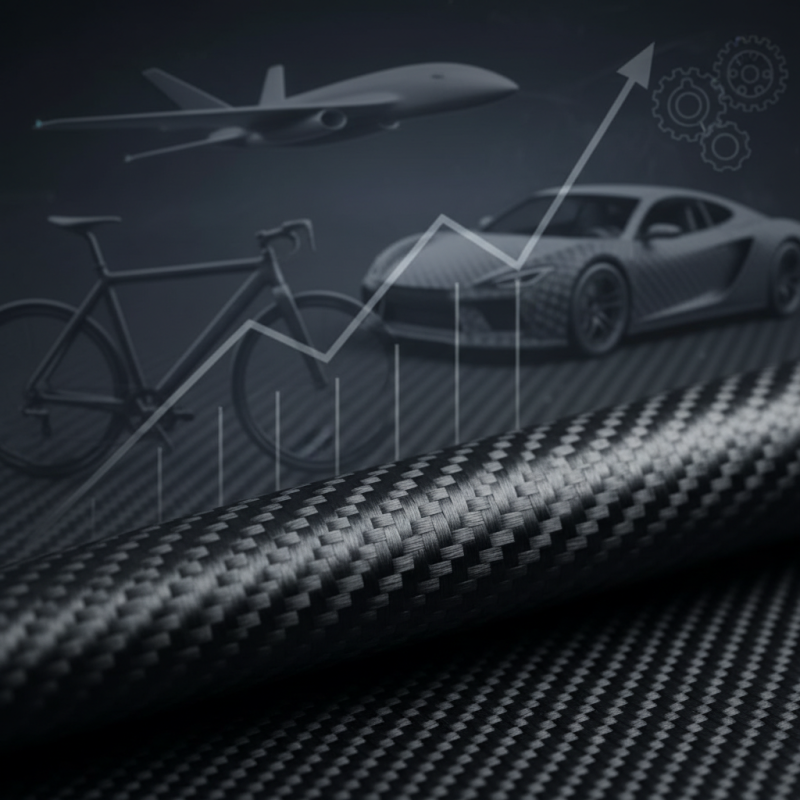
What is Carbon Fiber Fabric: A Comprehensive Overview
Carbon fiber fabric is a high-performance material made from carbon fibers. These fibers, known for their strength and lightweight properties, are woven together to create a versatile fabric. According to a report by Research and Markets, the global carbon fiber fabric market is expected to reach $5.24 billion by 2026, growing steadily at a CAGR of 11.2% from 2021 to 2026. This rapid growth is due to the increasing demand across various industries, including aerospace, automotive, and sports equipment.
One of the standout benefits of carbon fiber fabric is its impressive strength-to-weight ratio. It is about five times stronger than steel while being significantly lighter. This makes it an ideal material for industries seeking to reduce weight without compromising structural integrity. Moreover, carbon fiber exhibits excellent corrosion resistance. However, the manufacturing process can be expensive, which may deter some buyers. A thorough cost-benefit analysis is essential for potential users before making a decision.
In addition to strength, carbon fiber fabric offers flexibility in design. Its ability to be molded into complex shapes makes it a favored choice in custom applications. However, it may require specific techniques for cutting and handling, which some users find challenging. As the industry evolves, continuous innovation is needed to maximize its potential and address existing limitations.
What is Carbon Fiber Fabric and Its Benefits for Buyers?
| Property | Description |
| Material Composition | Carbon fibers are made of strands of carbon atoms bonded together in a crystalline structure. |
| Weight | Significantly lighter than metals, approximately 5 times lighter than steel. |
| Strength | Has a tensile strength of up to 300,000 psi (pounds per square inch). |
| Corrosion Resistance | Resistant to many chemicals and does not rust or corrode like metals. |
| Thermal Conductivity | Low thermal conductivity, making it a good insulator in various applications. |
| Applications | Used in aerospace, automotive, sports equipment, and medical devices. |
| Cost | Generally more expensive than traditional materials due to manufacturing processes. |
| Eco-Friendliness | Recycling options are limited, but advancements are being made in sustainable practices. |
The Composition and Manufacturing Process of Carbon Fiber Fabric
Carbon fiber fabric is increasingly popular due to its unique characteristics. Understanding its composition and manufacturing process sheds light on its benefits. Created from thin strands of carbon, the fabric is incredibly lightweight yet strong. The strands are woven together to form a fabric that is both flexible and durable.
The manufacturing process begins with precursor materials, often polyacrylonitrile (PAN). This material undergoes a series of chemical reactions, creating long chains of carbon. The next step involves heating the fiber in a controlled environment. This process, known as carbonization, enhances its strength and stiffness. The fibers are then treated to improve adhesion with resins during application.
However, the process is not without its challenges. Quality control is crucial, and even minor flaws can affect the final product. It’s also essential to consider the environmental impact of sourcing materials. While carbon fiber offers significant advantages, these issues prompt a thoughtful evaluation of its long-term sustainability in various industries.
Key Properties and Advantages of Carbon Fiber Fabric
Carbon fiber fabric is renowned for its impressive properties. It is lightweight yet incredibly strong. This unique combination makes it a favorite in various industries. From automotive to aerospace, its applications are vast. Many buyers appreciate its durability and resistance to corrosion. This fabric can withstand harsh conditions with ease.
The flexibility of carbon fiber is another significant advantage. It can be molded into complex shapes. This adaptability allows for innovative designs in modern manufacturing. Additionally, its thermal conductivity gives it an edge in specific applications. However, the production process can be resource-intensive. This raises questions about sustainability. Buyers need to weigh these factors against the benefits.
Cost is also a consideration for buyers. Carbon fiber is often more expensive than traditional materials. While it offers superior performance, the price point can be a barrier. It is essential for potential users to assess their specific needs. Each project requires careful evaluation of material options. Finding the right balance between cost and utility is crucial.
Applications of Carbon Fiber Fabric in Various Industries
Carbon fiber fabric is gaining traction across various industries due to its unique properties. In aerospace, it's commonly used for lightweight components that require strength. Carbon fiber's high tensile strength helps reduce aircraft weight, improving fuel efficiency. Automotive manufacturers utilize carbon fiber in high-performance vehicles, enhancing speed and safety.
In sports equipment, carbon fiber fabric can be found in bicycles and tennis rackets, providing both performance and durability. Its lightweight nature allows athletes to maintain peak performance.
Tips: When considering carbon fiber products, evaluate the actual benefits versus the cost. Not all applications require expensive materials. In construction, carbon fiber reinforcement is increasingly used. It strengthens structures while maintaining a low-profile. However, careful assessment of structural needs is essential.
Considerations for Buyers When Choosing Carbon Fiber Fabric
When selecting carbon fiber fabric, buyers should consider several key factors. The weight of the fabric plays a crucial role in its applications. Light fabrics are ideal for aerospace and automotive uses. Heavier options offer strength for industrial applications. Customers must evaluate the weight-to-strength ratio. This measure helps determine suitability for specific projects.
Another important factor is the fabric's weave type. Different weaves provide various levels of flexibility and strength. A plain weave offers stability, while a twill weave enhances flexibility. Understanding these differences is vital for selecting the right fabric. Buyers should not overlook the environmental conditions where the fabric will be used. Some fabrics may degrade under UV exposure or temperature fluctuations.
Lastly, consider the sourcing of carbon fiber fabric. Ensuring responsible production and ethical sourcing is critical. Quality control processes during manufacturing also matter. Poorly made fabrics can lead to failures in high-stakes applications. Buyers should research suppliers to confirm their credibility. Reflect on these considerations carefully to make an informed decision. Your project's success relies on it.
