
What Are the Best Types of Paper Cups and Bowls for Wholesale?

Choosing wholesale paper cups and bowls is a practical sourcing decision. The right option must suit the menu, service speed, storage space, and budget. A thin cup may work for cold drinks, but hot coffee needs a sturdier wall and a lid that fits securely. A bowl holding soup faces different demands from one used for salad or takeaway noodles.

Scale matters, too. The Food and Agriculture Organization’s Global Forest Products Facts and Figures 2022 reported 401 million tonnes of global paper and paperboard production that year. That figure reflects a broad industry, not foodservice cups alone. Still, it shows why material choices deserve careful review. Compare cup and bowl specifications, coatings, rim strength, and supplier documentation. Ask for samples. Test them with the actual drink or meal. Small details matter.

Ellen MacArthur, founder of the Ellen MacArthur Foundation, helped bring circular-economy thinking into mainstream business discussions. The Foundation describes its approach as “designing out waste and pollution, keeping products and materials in use, and regenerating natural systems.” For buyers, that is a useful question—not a guarantee that every paper item is sustainable. Check local collection options and verify supplier claims. There is no perfect cup. The best Cup Paper Bowl choice balances performance, clear sourcing information, and the realities of disposal where it will be used.
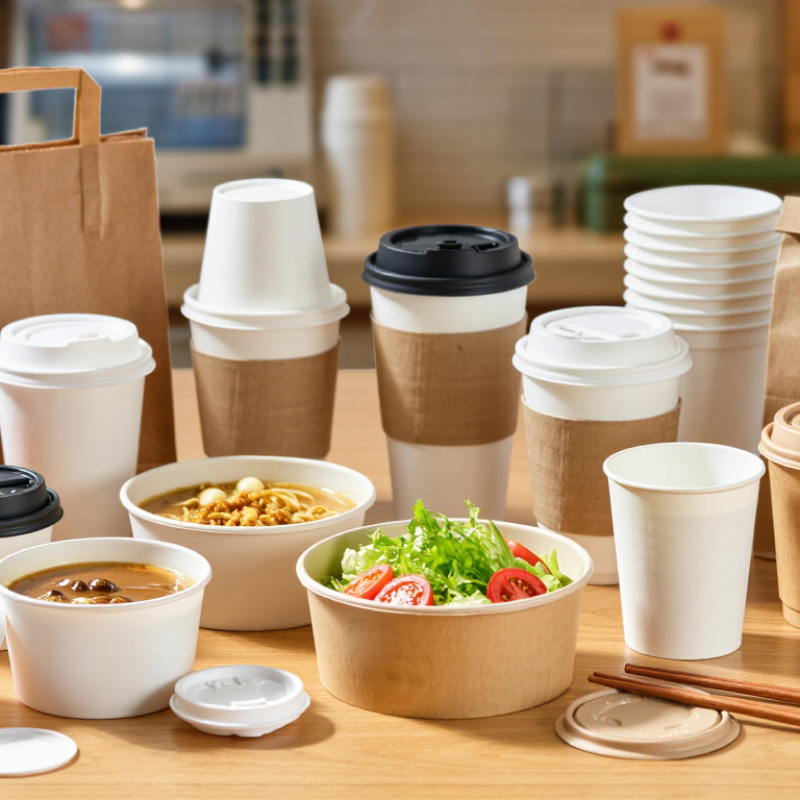
What Are the Best Types of Paper Cups and Bowls for Wholesale?

How Wholesale Paper Cups and Bowls Are Classified

Wholesale paper cups and bowls are usually classified by material, intended use, capacity, and shape. For cups, the main split is hot-drink and cold-drink formats. Hot cups commonly have a paperboard body with an inner barrier; cold cups need a lining that resists moisture. Single-wall cups are lighter, while double-wall and ripple-wall versions offer extra insulation and grip. Bowl listings often separate soup, salad, and takeaway sizes, with round or rectangular profiles.

Capacity is only part of the specification. Check rim diameter, bowl depth, base stability, and whether the cup fits standard lids. These details matter during packing and service. Linings also vary, so do not assume every paper product is accepted in local recycling systems. Ask suppliers for material details and sample products, then test them with the intended food and serving temperature. A catalogue label may not show how a container performs after several minutes with hot soup.

Tips: Compare dimensions, not just ounce or millilitre capacity. Test filled samples for leaks and handling comfort. Confirm lid compatibility before ordering in bulk. A product that looks suitable on paper can still feel awkward in use.

Which Paper Cup Types Match Different Drinks and Uses

The National Coffee Association’s 2024 National Coffee Data Trends report found that 67% of U.S. adults had coffee the previous day.

For hot coffee, single-wall paper cups suit quick service, but they can feel hot during a long walk. Add a sleeve, or choose a double-wall or ripple-wall cup for better hand comfort. Fit matters most. Smaller cups work well for espresso and tasting portions, while larger sizes suit takeaway drinks. Check that the rim and lid fit securely; a mismatch can cause spills.

For iced coffee, tea, and soft drinks, select cups with a moisture-resistant lining and enough stiffness to handle condensation. Paper cups vary in coatings, so “paper” alone does not confirm recyclability; local collection rules and cup construction matter.

A common purchasing mistake is choosing by price or capacity alone. Test cups with the actual drink, lid, and service time. There is no perfect cup. A lightweight option may work for a short counter visit, but feel flimsy in delivery. For wholesale orders, compare insulation, grip, leak resistance, and storage space alongside unit cost.

Which Paper Bowl Types Suit Different Foods and Serving Needs

Paper bowls should match the food’s heat, moisture, and portion size. Deep, lined bowls suit broth, noodles, and saucy dishes because their height helps reduce spills during transport. For very hot servings, check the supplier’s temperature guidance and test the bowl with the actual recipe; performance varies by construction.

Kraft-style bowls work well for grain bowls, rice, and takeaway meals. A grease-resistant lining can help when foods contain oil or dressing, though it does not make every bowl suitable for long holding times. A bowl that feels firm when empty may soften after sitting with hot food. Worth checking.

Wide, shallow bowls give salads and pasta room for toppings and make food easier to see. Small portion bowls suit fruit, sides, or samples, while deeper bowls are more practical for soups and saucy meals. Match lids carefully: a loose fit can lead to leaks, and a tight lid may crush delicate greens. Fit matters. Before ordering in bulk, test filled bowls for stability, rim strength, and how well they hold up during your usual serving period.

How Materials, Linings, and Sizes Affect Product Performance

For wholesale buyers, cup and bowl performance starts with the paperboard. Thicker stock generally feels sturdier and resists dents during stacking, but it can raise shipping costs. A hot soup bowl needs more rigidity than a cup used for chilled juice. Feel the rim and press the sidewall; a sample can reveal weaknesses that a specification sheet misses.

The lining matters just as much. A polyethylene lining offers a strong barrier against leaks, while aqueous coatings may suit some food-service needs. Check the supplier’s stated heat limits and disposal guidance rather than assuming all coated paper is alike. Hot drinks can soften seams over time. Cold drinks may cause condensation that weakens the outer surface. Small details matter.

Size affects both handling and waste. A narrow cup fits standard lids more easily, while a wide bowl can make toppings accessible but harder to carry when full. Compare filled samples with the portions you actually serve. Then test them in a busy setting, not only on a clean desk. It is easy to overvalue a neat sample. The best wholesale choice balances material, lining, fit, and storage space for the menu, even when that means accepting a minor trade-off.

What Are the Best Types of Paper Cups and Bowls for Wholesale? — How Materials, Linings, and Sizes Affect Product Performance

Product Type Typical Paperboard Common Barrier or Lining Common Capacities Best-Fit Uses Performance Considerations Wholesale Checks
Single-wall hot cup Food-contact paperboard, commonly virgin or recycled-content board where suitable for the intended application Usually a thin polyethylene (PE) lining; some ranges use other barrier coatings About 4–20 US fl oz (118–591 mL) Coffee, tea, and other hot takeaway drinks Lightweight and space-efficient. The cup wall can become hot to hold, so a sleeve may be needed for comfort depending on the beverage and cup construction. Confirm hot-fill suitability, lining specification, rim and lid fit, carton quantity, and whether sleeves are required.
Double-wall hot cup Two paperboard layers, often with an insulating air gap or textured outer wall Typically a liquid barrier on the inner wall, commonly PE or another specified coating About 8–20 US fl oz (237–591 mL) Hot coffee and tea where improved hand comfort is desired Extra wall construction helps reduce heat transfer to the hand compared with a basic single-wall cup. It uses more material and takes up more storage space. Check nesting and case dimensions, cup-rim compatibility with lids, and whether the added insulation replaces a separate sleeve.
Ripple-wall hot cup Inner paper cup with a corrugated or ridged outer paper layer Liquid barrier on the inner cup; the outer layer is primarily for grip and insulation About 8–20 US fl oz (237–591 mL) Hot drinks for takeaway service and self-serve counters The textured outer layer improves grip and adds insulation. The ridged construction can increase storage volume and cost compared with a single-wall cup. Compare case cube, stack stability, lid fit, and total cost against a single-wall cup plus sleeve.
Cold beverage paper cup Printed or unprinted food-contact paperboard Usually PE or another moisture-resistant barrier; coating options vary by product About 8–24 US fl oz (237–710 mL) Water, soft drinks, iced coffee, and other cold beverages A suitable barrier helps resist liquid penetration and condensation-related softening. Cup performance depends on the board, coating, seams, and time in use. Check intended beverage temperature, leak performance, rim style, compatible flat or dome lids, and any product-specific recycling guidance.
Paper soup or hot-food bowl Sturdy food-contact paperboard, often with a rolled rim for strength Commonly PE, a dispersion barrier, or another coating specified for hot, wet foods About 8–32 US fl oz (237–946 mL) Soup, noodles, porridge, and hot sides Requires a barrier suited to hot liquids and the expected holding time. A lid can help with transport but does not make a container leakproof unless the bowl-and-lid combination is tested. Verify hot-food suitability, rim and lid fit, stacking strength, fill line, and performance with oily or acidic foods if relevant.
Paper salad or meal bowl Rigid paperboard, sometimes with a broad rim for easier handling Moisture and grease barrier; options may include PE, dispersion coatings, or other product-specific systems About 16–48 US fl oz (473–1,420 mL) Salads, grain bowls, cold meals, and takeaway portions Capacity and bowl width affect portion presentation and mixing space. Dressing, moisture, and storage time can influence barrier performance. Test with the actual menu, dressing, and expected holding time; confirm lid fit, stackability, and case storage footprint.
Kraft-style food bowl Brown kraft-look paperboard; the appearance does not by itself determine barrier performance Food-contact barrier selected for the intended hot or cold application About 12–32 US fl oz (355–946 mL) Soups, salads, rice dishes, and takeaway meals, depending on the bowl specification Can provide a natural-paper appearance, but the bowl still needs an appropriate barrier for wet or greasy foods. Performance varies by construction rather than color. Ask for the actual board and coating details, food-use limits, lid compatibility, and disposal or recycling information for the finished article.
Small portion cup or tub Lightweight food-contact paperboard Moisture- or grease-resistant coating appropriate to the contents About 1–5 US fl oz (30–148 mL) Sauces, dips, condiments, and small toppings Useful for controlled portions, but small formats need a well-matched lid when spill resistance during transport is important. Check fill capacity, lid fit, stacking, sauce compatibility, and whether the cup is intended for hot or cold contents.

Wholesale note: Capacities and available constructions vary by supplier and market; US fluid-ounce conversions are approximate. PE, PLA, and other barrier systems have different end-of-life requirements. Do not assume a coated paper product is recyclable or compostable without checking local facilities and product-specific certification or disposal guidance. Request food-contact documentation and test samples with the actual contents, temperature, and service time before placing a large order.

How to Select the Best Paper Cups and Bowls for Wholesale

Choosing wholesale paper cups and bowls starts with the menu, not the catalog. A 4-ounce cup may suit espresso tastings, while larger cups work better for iced drinks or soup. Match capacity to serving size and leave room for lids. Small mismatch, big hassle. Test hot and cold performance separately; condensation can soften a cup that feels sturdy when dry.

Check paper weight, rim strength, seams, and inner barriers. Hot coffee needs a secure seam and a rim that stays comfortable to hold. Greasy noodles or saucy meals need bowls with reliable leak resistance, not merely thick-looking walls. Ask suppliers for specifications and food-contact documentation. Test samples with real portions, temperatures, and holding times. A five-minute water test is not enough. Lids should fit firmly without forcing; transport often reveals flaws quickly.

Compare case quantity, dimensions, stacking stability, and lead time, not just unit price. Crushed stock or bulky packaging can erase savings. Consider compostability or recycled-content claims alongside the disposal options available to customers; labels alone do not tell the whole story. Keeping a backup size may help, though it complicates inventory. Gather staff feedback after a trial week and adjust the order before committing to a large quantity.

Article Source: