
Choosing the best Ordinary Plywood suppliers in China takes more than comparing prices or browsing polished product photos. Buyers need to check what a supplier can consistently produce, how clearly it describes its panels, and whether its specifications match the intended use. Thickness, face veneer, core construction, adhesive type, and moisture content all matter. A sample can reveal details a catalog misses: uneven edges, visible core gaps, surface patches, or a finish that feels rough under the hand.
A reliable supplier should answer practical questions directly and provide current product specifications, sample options, and relevant quality documents. Ask how production batches are checked and how the company handles differences between samples and bulk orders. Factory visits or independent inspections may offer added confidence when order size and travel plans justify them. Still, documents alone cannot guarantee consistent quality. That deserves a little skepticism.
This guide explains how to assess potential suppliers using verifiable details rather than broad claims about being “the best.” It considers product range, manufacturing capability, communication, quality control, and shipping support. Buyers should also confirm that a panel is suitable for its intended environment and application; ordinary plywood is not automatically right for every project. There is no perfect checklist, and a supplier may perform well on one order but less well on the next. Comparing samples and recording agreed specifications can help reduce that uncertainty.
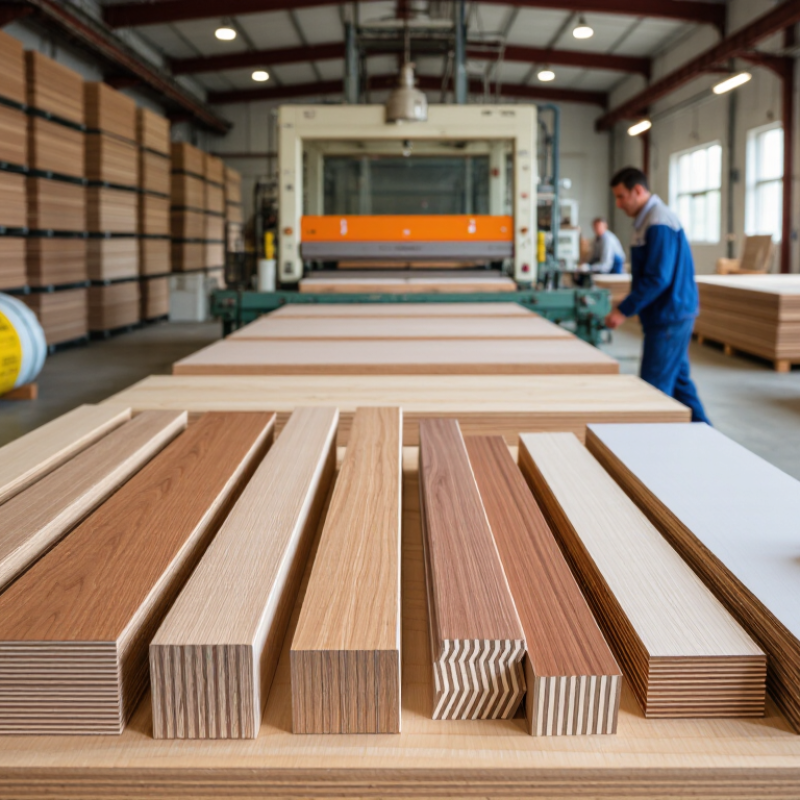
Ordinary plywood is made by bonding thin wood veneers, with each layer’s grain usually turned across the next. This cross-laminated structure helps the panel resist splitting and stay relatively stable. It is commonly used for indoor cabinets, shelves, furniture backs, wall linings, and partitions. A cut edge reveals its alternating layers.
The grade and adhesive matter. A panel intended for dry interiors may not perform well in damp rooms or outdoors. The FAO’s Global Forest Products Facts and Figures 2022 reported global wood-based panel production of about 399 million cubic metres in 2022. This broad category includes plywood and other panels; it is not a plywood-only figure. It does show how widely panel materials support construction and furniture markets.
In practice, buyers should check thickness, veneer quality, bonding classification, and the intended use. Small defects can be easy to miss on a smooth face.
Tips: Match the panel to the room, not just the price. For shelving, check load and span; for visible furniture, inspect both faces and edges. I have seen “ordinary” treated as one fixed grade, which is misleading. Ask for the product specification and a sample before ordering.
For ordinary plywood, appearance is only the first check. Ask suppliers which grade and product category they are quoting, and whether the panels meet the applicable GB/T 9846 requirements. Confirm the stated thickness and dimensions against your order; a tape measure can reveal uneven edges or inconsistent sizing. Check the faces under clear, even light. Look for open knots, blisters, splits, and patches that stand proud of the surface. Then inspect the edges. Gaps between veneers may signal weak construction, though a visual check cannot prove bond strength.
Request recent test reports that identify the same product, thickness, and factory as the quotation. Useful results cover bonding performance, moisture content, dimensional tolerances, and applicable formaldehyde-emission requirements. Verify report dates and testing details rather than relying on a certificate image alone. Ask how the supplier handles batch inspection and what happens when panels arrive damaged. A small sample cut across the grain can show veneer alignment and core consistency. It is not a substitute for laboratory testing. A smooth face can mislead; I would not treat appearance as proof of durable bonding. Compare documented results with the intended use, since interior furniture and construction panels may need different specifications.
Who Are the Best Ordinary Plywood Suppliers in China?
How to Evaluate Chinese Plywood Suppliers
A reliable supplier should explain how its plywood is made, not just offer a low price. Ask for written details on veneer species, glue type, panel construction, thickness, and intended use. Then compare those details with your project requirements. Clear answers matter.
Small details matter. Request samples from the production range, not only a carefully selected display panel. Check thickness at several points, inspect edges for gaps, and note surface defects under ordinary room lighting. One sample is not enough. Ask how the supplier controls moisture and keeps quality consistent between batches. These checks cannot replace independent testing, but they can reveal questions worth pursuing.
Review recent test reports and confirm that the product description matches the tested panel. Requirements vary by market and application, so verify relevant emissions and performance criteria with a qualified testing body. Not every document tells the full story. A factory visit or live video tour can help you assess equipment, storage, and production capacity; however, a polished tour may still leave blind spots. Discuss inspection arrangements, packaging, lead times, and remedies for rejected goods before ordering. Keep specifications and agreed tolerances in writing. Price is only one part of the decision.
Choosing a leading ordinary plywood supplier in China takes more than comparing quoted prices. Check the factory’s production capacity, veneer consistency, bonding process, and inspection records. Small details matter. Ask for panels from the same production batch, then check thickness at several points and inspect the edges for gaps or loose layers.
The FAO’s Global Forest Products Facts and Figures 2022 reports worldwide wood-based panel production of about 401 million cubic metres. This scale makes clear why reliable specifications and traceable quality checks matter. However, the report covers panels broadly; it does not rank Chinese plywood suppliers. Buyers should treat supplier claims as claims, and verify them through current test reports, sample checks, and clear order specifications.
For ordinary plywood, request details on core construction, face veneer grade, moisture content, and intended use. Confirm how defects are classified and what happens when a shipment differs from the approved sample. Samples can mislead. A polished sample may not represent every sheet in a container, so production-stage inspection is worth considering. Some buyers focus heavily on unit price; that can be a mistake when uneven thickness creates extra work during cutting or installation.
Choosing the right ordinary plywood supplier in China starts with a clear specification. State the panel size, thickness, core type, face grade, and intended use. “Standard plywood” can mean different things to different factories. Ask for written details, not just a low price.
Request a sample that matches the production order. Check its edges for gaps, compare thickness at several points, and inspect the surface under natural light. Ask how moisture content and bonding quality are monitored. A sample helps, but it cannot prove every panel will match. That limitation matters.
Look for a supplier that answers technical questions directly and gives realistic production and shipping timelines. Ask whether it can share recent inspection records or arrange an independent pre-shipment check. Compare quotations by specification, packaging, and delivery terms; a cheaper offer may leave important details unclear. Keep communication in writing. Small inconsistencies are easy to miss when schedules get tight, and I would not treat polished photos as proof of dependable quality. A short trial order can reveal problems before a larger commitment.