
Choosing a Covered Yarn supplier is not a catalog exercise. The right partner must match fiber type, core material, covering method, yarn count, and end-use requirements. A specification sheet may look complete, yet reveal little about consistency between production lots. Ask for sample cones, test data, and clear tolerances before comparing prices.
A verified, attributable quotation from a named Covered Yarn expert was not provided, so this introduction does not invent one. A useful sourcing principle is: “A supplier’s real value shows in repeatable quality, not promises.” Treat that as editorial guidance, not a quotation from a real person.
This guide reviews ten suppliers for buyers serving hosiery, sportswear, seamless garments, and other textile markets. It considers product range, customization, quality controls, communication, and export readiness. Details matter. Check whether a supplier can explain twist, elongation, covering ratio, and packaging in terms your technical team can verify. Request current certificates and confirm their scope directly with the issuing bodies.
No supplier fits every order. A mill suited to high-volume elastane-covered yarn may not serve small, specialized runs well. Lead times can shift, and sample results do not guarantee every shipment will perform identically. Use the list as a starting point, then qualify candidates against your own machine settings, fabric targets, and delivery schedule.
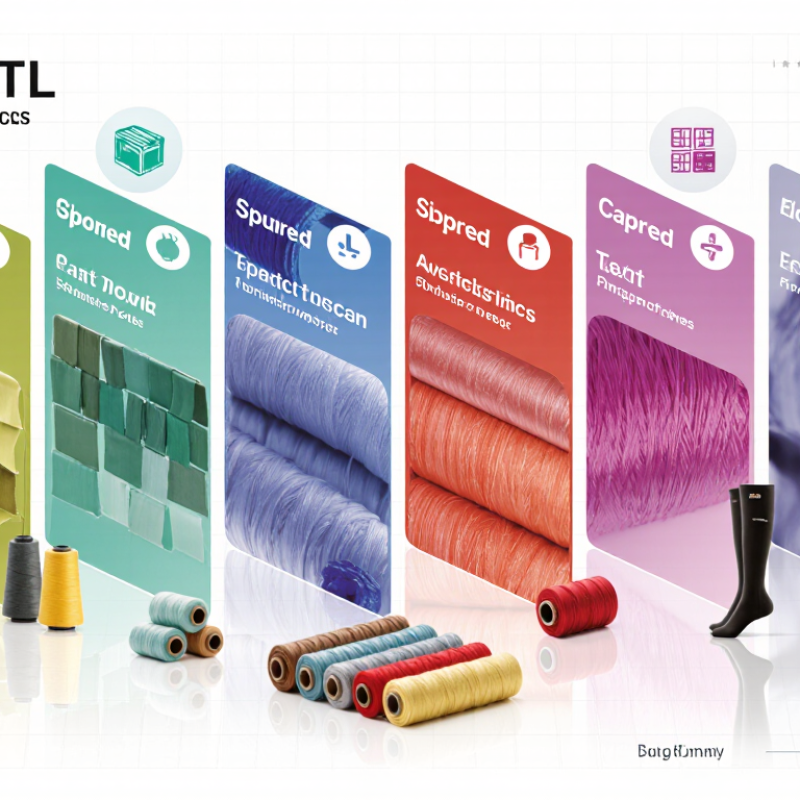
Covered yarn is made by wrapping one yarn around another, often an elastane core. The outer layer may be nylon, polyester, or another textile fiber. It helps protect the elastic core and gives the yarn a more textile-like surface. Some constructions use one covering yarn; others use two in opposite directions. The choice affects stretch, recovery, feel, and appearance. Small details matter.
Manufacturers use covered yarn in hosiery, underwear, sportswear, swimwear, and some medical textiles. In leggings, it can help fabric stretch around knees and return after movement. In socks, it may support a close fit without leaving the elastic core exposed. A soft outer wrap can also reduce a slick or rubbery feel against skin. Performance still depends on the fabric construction, not yarn alone.
For global buyers, useful specifications include core material, covering fiber, yarn count, stretch, and recovery after repeated extension. Ask how samples behave after washing and abrasion, since a yarn that feels smooth on a cone may act differently in knitted fabric. There is no single best construction for every use. It is easy to overstate durability without testing the finished product. A sample swatch can reveal issues that a data sheet misses.
Assessing a covered yarn supplier starts with your fabric’s actual requirements. Define the core yarn, covering material, stretch range, denier, and end use before requesting quotes. Ask for a technical data sheet and samples from a production lot, not only a showroom sample. Check whether the yarn runs smoothly on your equipment. A sample may feel excellent by hand yet break during knitting. Small details matter.
Compare suppliers on consistency, not price alone. Request test results for tensile strength, elongation, and shade variation where relevant. Ask how they control package weight, winding tension, and lot identification. These details can affect machine stops and fabric uniformity. Confirm typical lead times, minimum order quantities, and how production changes are communicated. If possible, run a small trial and record breakage, defects, and fabric results. One trial cannot prove long-term performance. It is still better than guessing. Be cautious when answers are vague; clear documentation is useful, though paperwork alone does not guarantee reliable output.
Tips: Send the same specification to each supplier, then compare replies line by line. Keep a retained sample and note the lot number. Recheck performance after delivery, especially when changing lots or machine settings.
Profiles of Ten Covered Yarn Suppliers
A useful profile goes beyond catalog claims. Compare each supplier’s core technology, yarn-count range, elastane options, minimum order, and sample lead time. Check whether its equipment supports single or double covering. Ask for test data on elongation, recovery, and shade consistency. These details matter in hosiery, stretch denim, and seamless garments, where a small tension difference can affect fabric feel. Textile Exchange’s Materials Market Report 2024 estimates global fiber production reached 124 million tonnes in 2023, with polyester accounting for about 57%. That broad market context shows why reliable fiber sourcing matters, but it is not a covered-yarn supplier ranking.
Across ten supplier profiles, note the production location, export experience, quality-control process, and available certifications. Request recent batch records, not only a polished specification sheet. Compare packaging and cone dimensions too; they can affect unwinding on your machines. Be cautious with broad claims such as “customized for every application.” Confirm them with a trial order. A tidy table may still miss the practical difference between a stable run and a troublesome one.
Tips: Send the same technical brief to every candidate. Include target count, core material, cover ratio, end use, and delivery window. Test samples on your own equipment before approval. Keep one question open: does the supplier maintain consistency when order volume changes?
Anonymous, category-level supplier profiles for comparing common covered-yarn capabilities. These are not verified company listings or claims about particular suppliers; confirm specifications, certifications, capacity, and availability directly with each prospective supplier.
| Profile | Common covered-yarn construction | Typical materials | Common end uses | Buyer checks |
|---|---|---|---|---|
| 01 · Elastic-core specialist | Single-covered yarn, with a filament or spun-yarn covering around an elastane core | Elastane with nylon or polyester filament | Stretch hosiery, underwear, and knitted apparel | Core draft, covering uniformity, stretch and recovery test method, and shade options |
| 02 · Double-covered yarn producer | Elastane core wrapped with two covering yarns, often in opposite directions | Elastane with nylon or polyester; covering material depends on the application | Hosiery, seamless garments, and fabrics requiring covered elastic yarn | Wrap direction, covering turns, yarn count, and performance after dyeing |
| 03 · Air-covered yarn specialist | Filaments interlaced with an elastic core using compressed air | Elastane with nylon or polyester filament | Knitting and weaving applications needing an elastic composite yarn | Interlacing stability, knots or entanglement quality, package consistency, and process suitability |
| 04 · Nylon-covered yarn supplier | Covered elastic yarn using nylon as the outer covering | Elastane core with nylon filament | Hosiery, swimwear, underwear, and stretch fabrics | Nylon type and luster, colorfastness requirements, and compatibility with the intended dyeing process |
| 05 · Polyester-covered yarn supplier | Covered elastic yarn using polyester as the outer covering | Elastane core with polyester filament | Knitted apparel, sportswear fabrics, and elastic textile components | Filament specification, heat-setting suitability, shrinkage behavior, and test data |
| 06 · Spun-cover yarn specialist | Elastic core covered with a spun yarn rather than a continuous-filament covering | Elastane with cotton or other spun-fiber coverings, subject to supplier range | Knitted garments and textiles where a spun-yarn surface is desired | Fiber composition, hairiness, covering regularity, and laundering performance |
| 07 · Fine-gauge hosiery yarn supplier | Fine covered elastic yarn designed for knitting applications | Elastane with fine nylon or polyester covering | Hosiery and other fine-gauge knitted products | Count tolerance, package build, knitting trials, and end-product appearance |
| 08 · Weaving-oriented supplier | Covered elastic yarn offered for use in woven structures | Elastane with a suitable filament or spun covering | Stretch denim, woven apparel, and elastic fabric components | Warp or weft suitability, weaving tension limits, abrasion behavior, and finishing conditions |
| 09 · Custom-specification supplier | Construction configured to a buyer’s requested core and covering combination | Material options vary; confirm the available elastane and covering fibers | Specialty apparel and textile programs with defined performance requirements | Minimum order quantity, sample lead time, specification control, and repeat-order consistency |
| 10 · Export-focused supplier | Covered-yarn range selected according to buyer’s application and order requirements | Confirm actual fiber blends and construction options for each item | International apparel and textile supply chains | Export documentation, packaging, delivery terms, applicable certifications, and pre-shipment inspection |
Comparing covered-yarn suppliers means looking beyond price and catalog photos. Check yarn type, filament count, denier range, covering method, and available core materials. Ask for consistent test data on elongation, recovery, tensile strength, and shade variation. Textile Exchange’s Materials Market Report 2024 estimates global fiber production reached 124 million tonnes in 2023. That scale makes traceability and reliable material documentation increasingly relevant, even for specialist yarn orders. Request a recent sample lot and its specification sheet. Small details matter. A sample may look flawless under showroom lights, then behave differently after repeated stretch and washing.
Supplier capability also depends on practical fit: production capacity, minimum order quantity, lead time, color matching, and willingness to run a trial lot. Certifications need careful checking. ISO 9001 relates to quality management systems, while OEKO-TEX STANDARD 100 assesses tested textile products for harmful substances. A certificate does not automatically cover every yarn, factory, or production line. Verify its scope, validity, and issuing body. Ask whether test reports match the exact material being quoted. That step is easy to skip. It should not be. I would also compare how suppliers handle defects and corrective actions; polished paperwork is useful, but a clear response to a failed batch tells buyers more.
Choosing a covered yarn supplier starts with the yarn, not the sales brochure. Specify the core filament, covering fiber, yarn count, twist direction, and target stretch before requesting samples. Textile Exchange’s Materials Market Report 2024 estimates that global fiber production reached 124 million tonnes in 2023, with polyester making up about 57%. That scale makes material traceability and batch consistency practical purchasing concerns. Ask suppliers for fiber-content documentation and recent test results, then verify elongation, recovery, shrinkage, and colorfastness against your own production requirements. Test on your actual knitting or weaving equipment. A neat sample can behave differently at line speed.
Check production capacity, minimum order quantities, lead times, and contingency plans using a written specification. Request sample lots from more than one production batch; compare package density, surface coverage, and shade under consistent lighting. Ask how defects are recorded and how corrective actions are confirmed. Certifications may support a sourcing review, but confirm their scope and validity rather than relying on a logo alone. Keep records of test methods and tolerances. Small details matter. A supplier may meet the stated specification yet still create friction if communication is slow or lot variation is poorly explained. No checklist catches everything; leave room for a pilot run before committing to a large order.