China Best Supreme Style Bag Alternatives for Global Buyers?
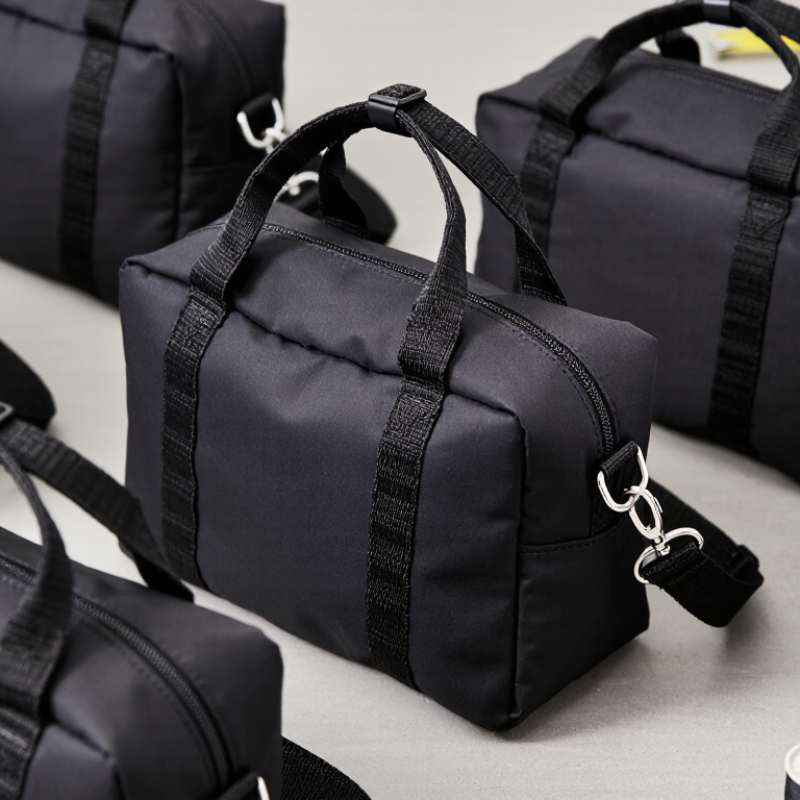
Global buyers often search for a “Fake Supreme Bag” when they want bold streetwear styling at a lower price. However, responsible purchasing should avoid copied logos, protected artwork, and misleading product claims. This guide explores China-made, unbranded bags with a similar urban attitude, not counterfeit merchandise. It focuses on practical alternatives with clean branding, durable construction, and transparent sourcing. Think black nylon, reinforced handles, silver hardware, and compact shoulder straps. No copied marks. A useful comparison begins with product details. Buyers should check fabric density, zipper quality, stitching consistency, lining strength, and load capacity. These small details often separate a reliable bag from an attractive sample.
Supplier evaluation also matters. Established manufacturers should provide clear specifications, factory photographs, material information, and realistic production timelines. Independent inspections can verify measurements, color accuracy, packaging, and visible defects before shipment. A supplier’s communication history is useful evidence, but it is not perfect proof. Shipping rules, trademark requirements, labeling standards, and import duties vary by destination. Buyers must confirm local obligations before placing an order. That step feels slow. It prevents expensive surprises. This overview compares style-inspired options through a professional, compliance-focused lens. It also recognizes practical limitations, including inconsistent batch quality and changing material costs. The strongest choice may not be the cheapest one. It should offer dependable construction, honest documentation, and a design that stands independently.
What Defines a Supreme-Style Bag Alternative?
A Supreme-style bag alternative is defined by visual language, not a copied logo.
Buyers usually expect a bold rectangular silhouette, strong contrast, practical compartments, and a streetwear-inspired attitude. The bag should feel confident without looking careless. Materials matter too. Recycled nylon, coated canvas, and textured synthetic leather can provide structure and water resistance at different price points.
Recent industry data supports this direction. The McKinsey and Business of Fashion State of Fashion 2025 report describes fashion growth as modest, making value and product distinction increasingly important. The 2025 ThredUp Resale Report estimates that the global secondhand apparel market could reach 367 billion dollars by 2029. This suggests that durability, repairability, and long-term styling deserve serious attention.
However, sustainability claims can become vague. A recycled label alone proves little. Buyers should request material percentages, factory details, testing records, and packaging information.
Tips: Check zipper smoothness, strap stitching, lining strength, and edge finishing before placing a bulk order. Ask for a physical sample. Screenshots hide defects. Compare measurements carefully, especially pocket depth and strap length. I have seen attractive samples fail during repeated opening tests, so testing should include weight, moisture, and abrasion. A lower-cost bag may still be the better alternative, but only when its construction supports regular use. Pricing should include inspection, shipping, and possible rework. Mistakes happen. Clear specifications reduce them.
Key Features and Materials to Compare
For global buyers, streetwear-inspired bags should be compared by construction, material, and measurable performance. Textile Exchange’s 2024 Materials Market Report states that polyester represented 57% of global fiber production in 2023. This explains its popularity in lightweight bags. However, ordinary polyester may feel thin and develop surface wear quickly. Check fabric denier, weave density, and coating thickness. A 600D woven fabric usually offers stronger daily protection than a lightweight 210D option.
Material choice affects both function and responsibility. Recycled polyester can reduce reliance on virgin feedstock, but certification and traceability still matter. Ask suppliers for recognized documentation, batch details, and test results. For water resistance, compare hydrostatic-pressure data rather than trusting “waterproof” wording. Zippers, reinforced seams, and bar-tacked handles deserve equal attention. A strong body can still fail at the stitching.
Tips: Request a sample before bulk purchasing. Fill it with books, inspect the shoulder strap, and wipe the surface repeatedly. Ask about colorfastness, abrasion, and seam-strength testing. I would also compare the bag after one week of use. Product photos often hide stiffness and lining quality. This step takes time, but it exposes weak construction early. Suppliers may provide impressive numbers, yet inconsistent samples remain a real warning sign. Safety labels, fiber composition, and care instructions should be clear for each destination market.
How Global Buyers Can Evaluate Quality and Suppliers
China Best Supreme Style Bag Alternatives for Global Buyers?
How Global Buyers Can Evaluate Quality and Suppliers
A strong alternative bag begins with measurable quality, not attractive photos. Ask suppliers for material composition, coating thickness, hardware specifications, and production tolerances. Request a dated sample before discussing large orders. Check the stitching closely. Uneven spacing, loose threads, and sharp metal edges often reveal weak process control. The 2024 Bain-Altagamma Luxury Market Monitor reported that the global personal luxury market reached about €1.48 trillion, while spending became more selective. Buyers now need evidence, not impressive wording.
Supplier evaluation should include factory audits, production capacity, and corrective-action records. ISO 9001 certification can indicate a documented quality system, but certification alone proves little. Verify the certificate independently. Ask for pre-shipment inspection reports and test results for colorfastness, abrasion, zipper performance, and load strength. The International Trade Centre recommends using transparent trade and supplier data when assessing international sourcing risks. Payment terms, lead times, packaging, and after-sales responses also matter. A supplier that avoids simple questions may create expensive delays.
Tips: Compare three samples under the same light. Weigh each bag. Measure the strap drop and panel size. Keep photos of defects. Use an independent inspection company for larger orders. Confirm material claims through laboratory testing when the market requires it. No checklist is perfect. I once overlooked packaging strength, and the products arrived with crushed corners. That small mistake changed the evaluation process. Good sourcing remains practical, documented, and slightly skeptical.
Shipping, Customs, and Compliance Considerations for International Orders
For global buyers, premium streetwear-style bag alternatives require more than an attractive product photo. Shipping costs depend on package size, weight, destination, and delivery terms. Ask the supplier whether the quote includes duties, taxes, insurance, and final-mile delivery. A low price can become expensive after customs clearance.
Request a complete commercial invoice before payment. It should state the product description, quantity, value, country of origin, and correct HS code. Check the bag’s material composition and labeling requirements for the destination market. Some countries require specific information for textiles, leather substitutes, packaging, or consumer safety. Do not accept copied logos, misleading labels, or unclear ownership claims. Regulations vary, so confirm details with an experienced customs broker or local authority.
Tips: Use tracked shipping. Keep every document. Confirm the importer of record. Start with a small order.
In practice, I have seen buyers focus on shipping speed and overlook customs paperwork. That mistake can cause storage fees or delayed delivery. Ask for a sample invoice and packing list before dispatch. Verify that the declared value matches the payment record. One detail I still check twice is the buyer’s tax number, because a single wrong digit can interrupt clearance. Also, review return procedures carefully. International returns may involve new postage, export declarations, and additional duties. Even reliable suppliers can make errors, so written confirmation is safer than a verbal promise.
