
What Are the Best Animal Ear Tags for 2026?

Choosing the best animal ear tag in 2026 depends less on a flashy feature than on the animal, the setting, and the daily work involved. A dairy cow in a large herd may need a highly visible number and dependable electronic identification. A small flock may benefit more from lightweight tags that are easy to read at close range. For any Ear Tag Animal choice, check material, tag size, locking design, and compatibility with your record-keeping system. Small details matter. A tag that looks clear in a product photo may be harder to read in a dim barn or muddy pasture.

This guide compares common tag types and practical features, including visual numbering, electronic identification, comfort, and retention. It also considers how tags are applied, inspected, and matched to the right animal. Fit matters. An oversized or poorly applied tag can cause irritation, while a number that fades or becomes obscured can slow routine checks. Manufacturer guidance and advice from qualified livestock professionals can help inform selection and fitting. Needs differ by species, age, and management system, so no single product is best for every herd or flock. No tag is perfect. Even durable designs need regular inspection, and electronic functions depend on compatible readers and records. The aim is to help readers compare options carefully, ask better questions before buying, and choose tags suited to real farm conditions—not just a specification sheet.
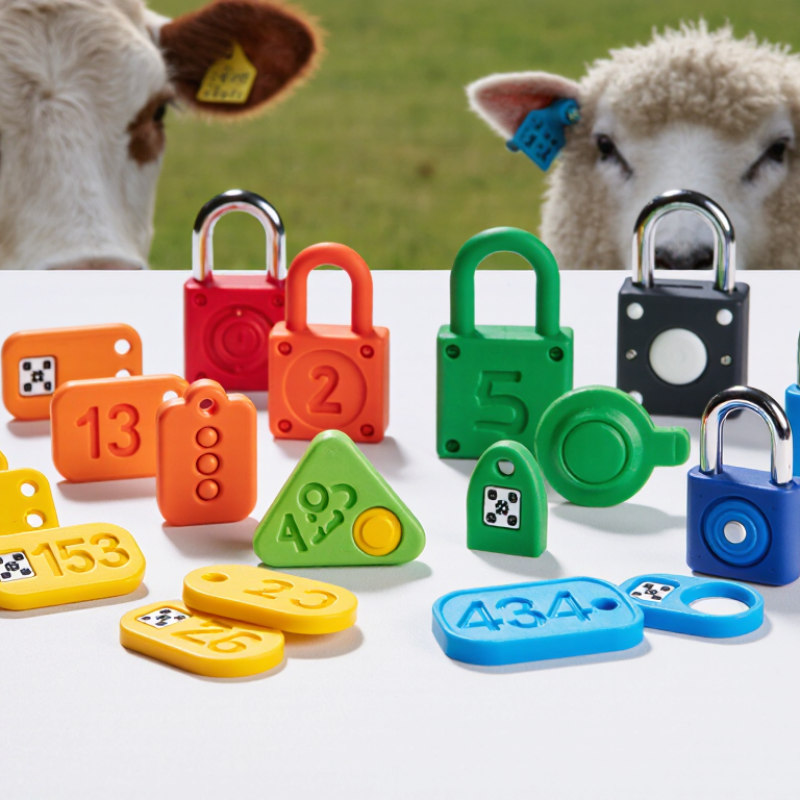
What Are the Best Animal Ear Tags for 2026?

What Animal Ear Tags Are and How They Support Livestock Management

What Animal Ear Tags Are and How They Support Livestock Management

An animal ear tag is a durable identifier attached to an animal’s ear. It may carry a printed number, a scannable code, or an electronic chip. The identifier links an animal to records such as birth date, parentage, vaccinations, treatments, and weight. USDA’s 2022 Census of Agriculture counted 87.2 million cattle and calves in the United States, illustrating the scale of livestock recordkeeping. At that scale, clear identification helps staff match an animal to its history during routine checks. Small details matter.

Tags support daily decisions, not just inventory counts. A worker can scan or read a tag before recording treatment, weighing an animal, or updating breeding notes. Electronic versions can reduce manual entry, but only when equipment works and records stay current. FAO reporting notes that livestock agrifood systems support the livelihoods of at least 1.3 billion people worldwide. Reliable records matter across that broad system. Still, a tag cannot diagnose illness or guarantee accurate data. It may become dirty, damaged, or hard to read; fit, placement, and regular checks deserve attention. A useful tag is one staff can identify quickly and connect to trustworthy records.

Which Ear Tag Types and Materials Are Available in 2026?

What Are the Best Animal Ear Tags for 2026?
Which Ear Tag Types and Materials Are Available in 2026?

In 2026, common choices include visual panel tags, button tags, two-piece tags, and electronic RFID tags. Visual tags carry printed numbers for quick barn-side checks. RFID tags store an identification code that a compatible reader can scan. The International Committee for Animal Recording (ICAR) references ISO 11784 and ISO 11785 for animal identification devices, including the 134.2 kHz frequency used by many livestock RFID systems. That detail matters when matching tags to readers.

Most tags use flexible plastic, often polyurethane, while some applications use metal tags. Plastic is light and can be molded into broad, easy-to-read panels; product performance varies with formulation and exposure. Metal can suit settings where a sturdy, compact marker is preferred, but fit and animal comfort still deserve attention. No material is perfect. I have seen tag choice focus on toughness while overlooking whether the number stays readable after months outdoors. Retention also depends on tag shape, application, and placement—not material alone.

Tips: Match the tag to the species, reader, and record system before ordering. Check legibility in direct sunlight and shade, and ask about cold-weather flexibility. Keep a sample on hand; small differences matter.

What Are the Best Animal Ear Tags for 2026? Which Ear Tag Types and Materials Are Available?

Ear Tag Type Common Materials Typical Uses How Identification Works Main Advantages Points to Consider
Visual two-piece tag Flexible plastic, commonly polyurethane-based materials Cattle, sheep, goats, and other livestock Printed or laser-marked numbers and letters are read by eye. Simple to inspect, widely used, and available in multiple sizes and colors. Readable numbers can fade or become obscured by dirt and wear. Correct application and suitable tag size matter for retention.
Visual one-piece or button tag Flexible plastic or other durable polymer Livestock identification where a compact, single-unit format is suitable A visible number or code is printed or marked on the tag. Compact design and straightforward visual checking. Available designs and retention characteristics vary. Confirm that the tag and applicator are intended for the animal species.
Electronic RFID tag Polymer outer casing with an embedded electronic transponder Livestock recordkeeping, movement tracking, and automated identification A compatible reader retrieves the tag’s electronic identification code. Can reduce manual transcription and support electronic records. Requires compatible readers and recordkeeping systems. RFID does not replace visual marking where local rules require it.
Low-frequency RFID (LF) Polymer casing around a low-frequency transponder Livestock systems designed for low-frequency identification The tag communicates with a compatible LF reader at close range. Established technology used in livestock identification systems. Reader frequency, encoding, and applicable identification standards must match the tag and local requirements.
High-frequency RFID: FDX-B or HDX Polymer casing around an electronic transponder Livestock programs using standardized electronic identification FDX-B and HDX tags use different communication methods and require compatible readers. Supports electronic reading and standardized identification in systems that accept the relevant format. Check the required protocol before purchase; FDX-B and HDX are not interchangeable in every reader setup.
Combination visual and RFID tag Durable polymer tag with an embedded transponder and a visible code Herds needing both electronic scanning and visual identification The animal can be identified by reading the printed code or scanning the transponder. Provides a visible backup alongside electronic identification. Confirm that the printed code corresponds to the electronic record and that the reader supports the tag’s protocol.
Metal identification tag Metal, such as aluminum, in designs made for specific identification purposes Selected livestock applications where local practice and regulations permit Stamped or engraved characters are read visually. Can provide a durable, legible identification surface in suitable applications. Metal designs are not suitable for every animal or identification program. Check species suitability, fit, and applicable rules before use.

Selection note: The best option depends on species, tag size and fit, the need for visual or electronic identification, reader compatibility, retention requirements, and local regulations. Follow the tag manufacturer’s application instructions and use the correct applicator.

How to Choose Tags by Species, Identification Needs, and Regulations

Choosing the best animal ear tag in 2026 starts with species, handling conditions, and the information you need to retrieve. Cattle often need durable tags that remain readable in crowded pens and outdoor herds. The USDA’s 2022 Census of Agriculture reported about 87.2 million cattle and calves on U.S. farms, underscoring the scale of identification work. For sheep and goats, lighter tags may reduce snagging and tissue strain. Pigs may need secure, clearly numbered tags suited to frequent handling. Small details matter.

Match the tag to the identification task. Visual numbers support quick checks; electronic identification can speed recordkeeping and traceability. But scanners, databases, and staff routines must work together. In the United States, USDA APHIS rules effective November 5, 2024, require electronic identification for certain cattle and bison moving interstate. Requirements vary by animal, movement, and jurisdiction, so check current official guidance before ordering. Fit matters, too: placement, applicator choice, and clean records affect retention and readability. A tag can look right in a catalogue and still fail in a wet, muddy handling race. Test a small batch first, then review losses and legibility with the people who use the system daily.

How RFID and Smart Features Fit Different Farm Operations

What Are the Best Animal Ear Tags for 2026?
How RFID and Smart Features Fit Different Farm Operations

The best tag depends on daily routines, not the newest feature list. USDA NASS counted 729,046 U.S. farms with cattle and calves in its 2022 Census of Agriculture. That range of operation sizes makes a single tagging setup unlikely to suit everyone. For a small herd, visual tags may be easy to read during a quick pen check. On larger farms, RFID can speed up identification when animals pass a reader at a handling chute. USDA APHIS identifies electronic identification as a tool for improving animal traceability. Still, readers need reliable placement, and staff need a workable recordkeeping process.

Smart features, such as temperature or activity monitoring, can help teams spot changes between routine checks. They may be most useful where animals are spread across pastures or frequent individual observation is difficult. But extra data can become noise if nobody has time to review alerts. I would not call RFID an upgrade by default. A missed scan or poorly maintained reader can undermine a tidy digital system.

Tips: Match the tag to your handling setup before buying. Test readability in a crowded pen, with mud on the tag and animals moving. Ask who will check alerts, replace equipment, and correct records. USDA APHIS traceability guidance is a useful reference, but local workflows matter too. A simple system staff actually use may outperform a more sophisticated one.

How to Apply, Maintain, and Replace Ear Tags Safely

What Are the Best Animal Ear Tags for 2026?

Choose a tag suited to the animal’s species and age, then follow its specific application instructions. Check that the tag and applicator fit together, and clean the equipment as directed. Restrain the animal calmly with help from a trained handler. A steady hold matters. Position the tag in the recommended area, away from prominent veins and thick cartilage. Stop if placement is unclear or the animal struggles; forcing the applicator can cause injury.

After tagging, check the ear regularly for swelling, heat, discharge, persistent rubbing, or a tag that catches on fencing. Small details count. Follow veterinary or product guidance for cleaning, and avoid applying unapproved chemicals to irritated tissue. A little redness may be hard to judge, especially on a restless animal, so check again when it is calm.

Replace a lost or damaged tag with a new one and properly cleaned equipment. Do not push a tag through torn tissue or reuse a damaged opening. Ask a veterinarian or experienced livestock professional to assess healing and placement when needed. Update identification records promptly, including the replacement date and tag number.