What Is Amino Tryptophan Used For?
Amino Tryptophan usually refers to tryptophan, an essential amino acid found in foods such as eggs, fish, dairy products, nuts, and beans. The body cannot make it, so it must come from food or, in some cases, supplements. Tryptophan helps build proteins and serves as a building block for serotonin and melatonin, compounds involved in mood and sleep regulation. It also contributes to other processes, including the production of niacin. These roles explain why people ask what Amino Tryptophan is used for. The body’s chemistry is more complex than a single nutrient, though.
Tryptophan supplements are commonly promoted for sleep, relaxation, or mood support. Research findings vary, and a supplement should not be treated as a proven solution for insomnia, anxiety, or depression. Small details matter: a person’s health, diet, medicines, and the product itself can all affect safety and results. Some medicines that influence serotonin may interact with tryptophan, so checking with a qualified healthcare professional is prudent before using it. This is especially important for people with ongoing health conditions or those who are pregnant or breastfeeding. Food sources are part of ordinary nutrition; concentrated supplements are a different choice. That distinction is easy to overlook. This guide explains the proposed uses, what evidence can and cannot show, and the key precautions to consider before making a decision.
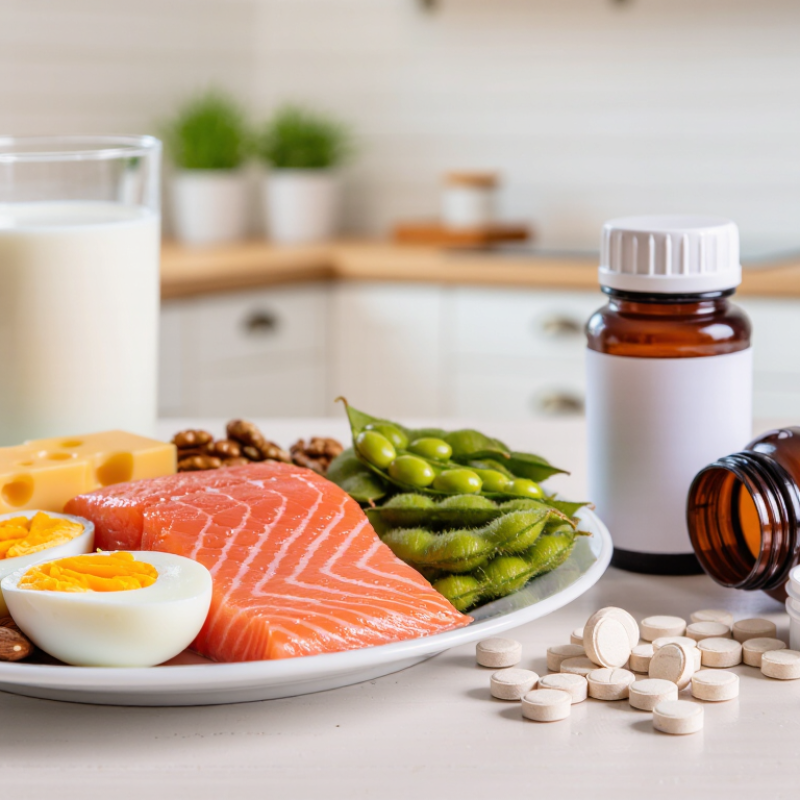
Definition and Essential-Amino-Acid Role of L-Tryptophan
L-tryptophan is an essential amino acid: the body cannot make enough, so food must supply it. It helps build proteins in muscle, enzymes, and other tissues. The phrase “amino tryptophan” can sound like a separate nutrient, but it usually refers to this same amino acid. Small distinction. The “L” identifies the form used in human biology.
Beyond protein building, tryptophan is a precursor to serotonin and melatonin, molecules involved in signaling, sleep timing, and mood. The body can also convert some tryptophan into niacin, though this pathway is limited and depends on nutritional context. Eating tryptophan does not guarantee better sleep or mood; biology is less tidy than that.
The WHO/FAO/UNU Expert Consultation on Protein and Amino Acid Requirements (2007) set an adult safe intake level of 4 mg per kilogram of body weight daily. For a 70-kilogram adult, that equals about 280 mg. This is a population benchmark, not a personal prescription; needs and intake vary. Tryptophan occurs in ordinary protein foods, including eggs, dairy, fish, legumes, nuts, and poultry. Food tables differ, a detail that is easy to overlook.
Biological Uses: Protein Building and Serotonin and Melatonin Production
Tryptophan is an essential amino acid, meaning the body cannot make enough of it and must obtain it from food. It helps build proteins, the working material of muscles, enzymes, and many other tissues. After digestion, tryptophan joins the pool of amino acids that cells use to assemble proteins. A meal containing eggs, beans, fish, or oats supplies it alongside other nutrients. No single food does the whole job.
Tryptophan also serves as a starting material for serotonin, a chemical messenger involved in mood, appetite, and other functions. Some serotonin can then be converted into melatonin, which helps regulate the sleep-wake cycle. Light exposure, timing, and the body’s enzyme activity all influence this pathway. It is more like a series of small steps than a direct switch. Eating tryptophan does not guarantee better sleep or a happier mood; the body’s handling of it is complex, and I think that detail is easy to overlook. Researchers continue to study how diet relates to these processes, while individual responses can vary.
What Is Tryptophan Used For?
Tryptophan is an essential amino acid used to build proteins. The body also uses it to make serotonin, which helps regulate mood and other functions, and melatonin, which helps regulate sleep.
Estimated adult requirement is 4 mg per kg of body weight per day. Bars show calculated amounts for example body weights; this reference intake is not a measure of how much tryptophan is converted into serotonin or melatonin.
Daily Intake Benchmarks: 4 mg/kg (WHO/FAO/UNU) vs 5 mg/kg (NASEM)
Tryptophan is an essential amino acid, meaning the body must obtain it from food. It helps build proteins and serves as a precursor for serotonin, melatonin, and niacin. These roles do not mean that more tryptophan automatically improves sleep or mood. Context matters.
Daily intake benchmarks differ slightly. The WHO/FAO/UNU report Protein and Amino Acid Requirements in Human Nutrition (2007) gives an adult tryptophan requirement of 4 mg per kilogram of body weight daily. The Institute of Medicine’s Dietary Reference Intakes report (2005), issued by the US National Academies, sets an adult recommended allowance of 5 mg/kg daily. For a 70-kilogram adult, that equals 280 mg versus 350 mg per day. The comparison is not perfectly tidy: the reports use different evidence reviews and assumptions, so the figures are reference values, not interchangeable prescriptions. That distinction matters.
Most people get tryptophan from ordinary protein foods, including eggs, dairy, fish, beans, and meat. A food diary can show the overall pattern, but estimating one amino acid precisely is harder than it sounds. These benchmarks describe dietary needs; they do not establish a personal supplement dose. People with medical conditions or restricted diets may need tailored advice from a qualified health professional.
What Is Amino Tryptophan Used For? — Daily Intake Benchmarks: 4 mg/kg (WHO/FAO/UNU) vs 5 mg/kg (NASEM)
| Topic | Benchmark or detail | Practical interpretation |
| Adult daily intake benchmarks |
| WHO/FAO/UNU estimate | 4 mg of tryptophan per kg of body weight per day | Estimated adult requirement used in the joint report’s amino-acid requirement pattern. |
| NASEM estimate | 5 mg of tryptophan per kg of body weight per day | Adult Recommended Dietary Allowance (RDA) expressed per kilogram of body weight. |
| How to calculate | Body weight in kg × benchmark in mg/kg/day | The result is an estimated amount from the overall diet, not a supplement dose. |
| Illustrative daily amounts by body weight |
| 50 kg adult | WHO/FAO/UNU: 200 mg/day
NASEM: 250 mg/day | Calculated by multiplying 50 kg by each benchmark. |
| 60 kg adult | WHO/FAO/UNU: 240 mg/day
NASEM: 300 mg/day | Calculated by multiplying 60 kg by each benchmark. |
| 70 kg adult | WHO/FAO/UNU: 280 mg/day
NASEM: 350 mg/day | Calculated by multiplying 70 kg by each benchmark. |
| 80 kg adult | WHO/FAO/UNU: 320 mg/day
NASEM: 400 mg/day | Calculated by multiplying 80 kg by each benchmark. |
| What tryptophan is used for in the body |
| Protein synthesis | Essential amino acid | The body uses dietary tryptophan to build proteins; it cannot make tryptophan itself. |
| Serotonin and melatonin pathways | Precursor | Tryptophan can be used to produce serotonin and, through further steps, melatonin. |
| Niacin pathway | Precursor under certain conditions | Some tryptophan can be converted into niacin (vitamin B3); conversion depends on nutritional and physiological factors. |
| Food sources and interpretation |
| Common food sources | Foods containing protein | Examples include poultry, fish, eggs, dairy foods, soy foods, beans, nuts, and seeds. Amounts vary by food and serving. |
| How to use the benchmarks | Compare with total dietary intake | These values are population-based reference estimates for adults, not a diagnosis or a personalized prescription. |
| Important limitation | Not an upper limit | The benchmarks do not define a safe maximum intake and should not be interpreted as a recommendation to take tryptophan supplements. |
Supplement Uses, Evidence Limits, and Medication-Related Safety Risks
Amino tryptophan usually refers to L-tryptophan, an essential amino acid used to build proteins and produce serotonin and melatonin. Supplements are commonly promoted for sleep or mood, but these uses are not established treatments. The American Academy of Sleep Medicine’s 2017 clinical practice guideline recommends against tryptophan for chronic insomnia in adults. That distinction matters. A biological role does not prove a supplement will improve symptoms, and study results remain limited.
Medication safety deserves particular care. Tryptophan may add to serotonin-related effects from medicines such as SSRIs, SNRIs, or MAOIs; combining them without medical advice could raise the risk of serotonin syndrome. Seek urgent care for severe agitation, fever, tremor, or muscle stiffness after a medication change. Do not stop prescribed treatment on your own. The CDC’s investigation of the 1989 eosinophilia-myalgia syndrome outbreak documented about 1,500 cases and 37 deaths linked to contaminated tryptophan products. That history does not show that every current supplement is unsafe. It does underline why product quality and medical review matter. Tell a clinician or pharmacist about supplements, prescriptions, and sleep medicines before trying tryptophan.
